
Ceratobasidium cornigerum
Ceratobasidium cornigerum
Description
Symptoms
The primary symptom of infection is the emergence of brown or dark reddish-brown lesions on roots and subterranean stem portions. In these infected areas, tissues rapidly soften and decay, leading to plant wilting and lodging.
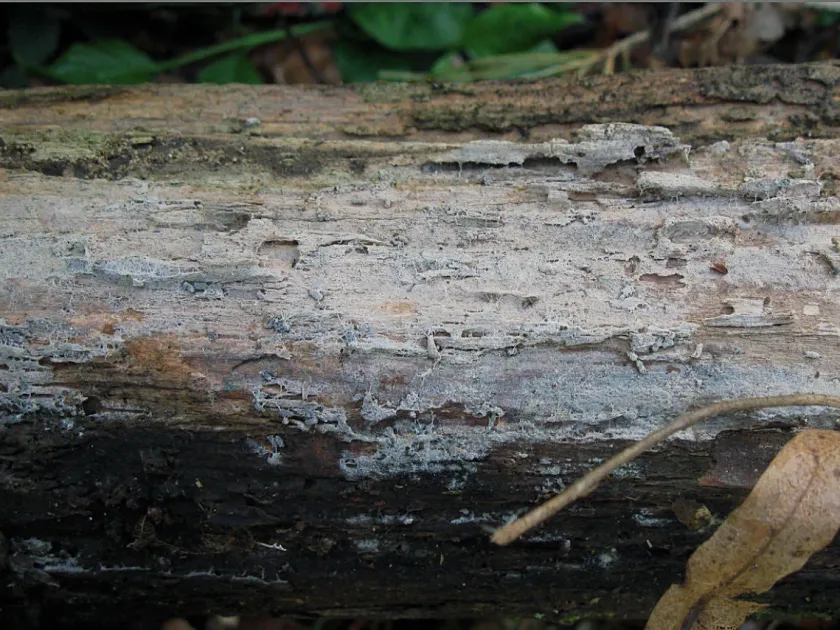
Under high humidity, a thin, whitish, web-like mycelial mat may appear on affected stem areas. This represents active fungal growth and indicates that the pathogen is ready to spread further within the planting environment.
Foliage of affected plants often yellows starting from the lower leaves, followed by wilting due to the loss of root function. The roots become brittle, and the outer cortex peels away easily, exposing the darkened central vascular cylinder.
On seedlings, the disease manifests as classic "damping-off" (black leg), leading to rapid plant death. These lesions can quickly girdle the stem, causing constriction and disrupting nutrient and water transport to upper plant parts.
In flowering plants, infection may result in poor bud development and premature flower drop. Diagnosis often requires molecular or microscopic confirmation to distinguish it from other complex root-rotting pathogens.
Pathogen
The causal agent of this disease is the soil-borne fungus Ceratobasidium cornigerum, a member of the Basidiomycota phylum. This pathogen has a wide host range and frequently manifests as rhizoctonia-like lesions on the root systems and root collars of various plants.
The fungus can persist in the soil for extended periods as mycelium or sclerotia, surviving on organic debris. In its life cycle, the pathogen produces basidia, which allow for the aerial dissemination of spores, making it particularly dangerous in controlled environment agriculture.
The mycelium is characterized by the presence of clamp connections and distinct hyphal branching, which are critical diagnostic features during laboratory identification. As a facultative parasite, the fungus can switch between saprophytic growth on dead matter and active infection of living plant tissues.
The genetic diversity within the Ceratobasidium cornigerum species complex allows it to adapt to various environmental conditions, including a wide range of soil pH levels. This often makes field identification difficult based solely on visual symptoms.
Beyond its role as a primary parasite, the fungus frequently functions as part of a complex of soil-borne pathogens, acting in synergy with other species such as Rhizoctonia solani, which significantly increases the severity of crop damage.
Conditions for development
High moisture levels in the substrate or soil are the most critical factor for the development of Ceratobasidium cornigerum. Waterlogging promotes rapid mycelial growth and facilitates the penetration of the pathogen into plant tissues.
The fungus thrives within a broad temperature range, but moderate temperatures between +18°C and +25°C are most conducive to rapid spread. In these conditions, the incubation period is significantly shortened, increasing the rate of infection.
Poor ventilation in greenhouses and high-density planting lead to stagnant moisture in the root zone, creating an ideal microclimate for fungal reproduction. Dense, compacted soils with poor aeration further exacerbate the risk of an outbreak.
Improper agronomic practices, particularly excessive nitrogen fertilization, reduce a plant's natural resistance to fungal infection. Tissues with high nitrogen content are softer and more susceptible to penetration by fungal hyphae.
The presence of large amounts of undecomposed crop residue in the soil provides a substantial food base for the pathogen, allowing it to build up significant inoculum pressure before attacking vulnerable crops.
Why it matters
The disease causes significant economic losses by inducing mass seedling mortality and reducing the overall vigor of mature plants. In nursery settings, the pathogen can destroy up to 70% of stock if control measures are not implemented.
Infection of the root system impairs nutrient and water uptake, leading to stunted plant growth and development. Marketable quality, especially in root crops and ornamentals, is severely degraded.
The pathogen can be disseminated through contaminated planting material, posing a serious threat to long-term plantations. Once established, infested soil may remain unsuitable for susceptible crops for several growing seasons.
In vegetable crops, an outbreak results in drastic yield reductions due to premature senescence and death of the canopy. The shelf life and post-harvest quality of produce are also negatively impacted.
In greenhouse operations, Ceratobasidium cornigerum outbreaks often necessitate the total replacement of growing media and extensive disinfection of infrastructure, leading to high unexpected operational costs.
Protection
The primary control strategy involves rigorous crop rotation, avoiding the cultivation of susceptible hosts in the same area for at least 3–4 years. Proper site selection to ensure good drainage is paramount.
Fungicides from the benzimidazole and triazole groups are effective in suppressing pathogen development if applied early. Seed treatments and soil drenching help minimize the risk of infection during the critical establishment phase.
For soil health restoration, biological control agents such as Trichoderma species and Bacillus subtilis are recommended. These antagonists actively suppress mycelial growth and help prevent re-colonization by the pathogen.
Strict hygiene and monitoring of planting stock are essential. Using sterile substrates for seedling production and maintaining good airflow in greenhouses significantly reduces the likelihood of disease outbreaks.
- Regular removal and destruction of infected plant material.
- Sterilization of potting mixes before use.
- Optimizing irrigation to avoid saturated soil conditions.
- Timely application of phosphorus and potassium fertilizers to boost plant immunity.
Discussion
No discussions yet — be the first.