
Ceratobasidiaceae
Ceratobasidiaceae
Description
Symptoms
The primary symptom is known as "damping-off" or "black scurf," appearing as dark, sunken lesions on stems near the soil surface. Under high humidity, a thin, grayish web-like mycelium may be visible on the infected tissue.
On potato tubers, the infection manifests as "black scurf," characterized by the formation of hard, black, irregular sclerotia on the skin. While these growths are superficial, they significantly degrade tuber quality and market value.
Seedling infection typically leads to wilting and death, often before the plant emerges or shortly thereafter. The root systems of affected plants become brownish and necrotic, with the outer bark of the roots easily peeling away.
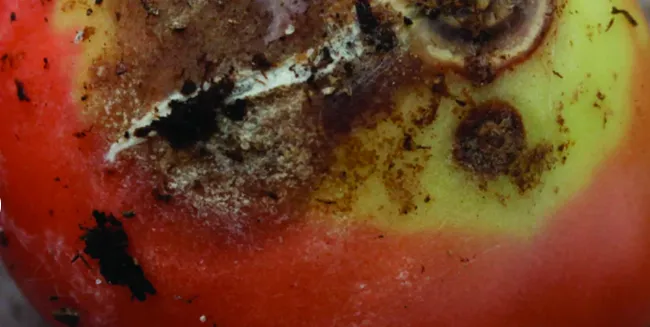
On foliage, the pathogen can cause irregular necrotic spots with distinct margins, often mistaken for other diseases. In greenhouse environments, the infection may spread to fruits or leaves that touch the substrate, leading to soft rot.
- Seedling damping-off.
- Dark lesions on the stem base.
- Sclerotia formation on tubers or roots.
- Root necrosis and decay.
- Irregular necrotic spots on leaves.
Pathogen
The Ceratobasidiaceae family of fungi comprises a group of globally significant soil-borne pathogens, the most prominent being Rhizoctonia solani. These fungi are classified as basidiomycetes, although their life cycle is often dominated by an asexual stage consisting of mycelium and sclerotia.
The pathogen persists in the soil or on plant debris as durable resting structures known as sclerotia, which are capable of surviving harsh environmental conditions for extended periods. The mycelium aggressively colonizes the root zone, entering plant tissues through natural openings or mechanical wounds.
A significant biological characteristic of many species in this family is the lack of specialized asexual spores, meaning dissemination occurs primarily through the spread of hyphal fragments. As facultative parasites, these fungi easily switch to a saprotrophic lifestyle on dead organic matter.
These fungi secrete enzymes that degrade plant cell walls, leading to tissue softening and rapid wilting. Genetic diversity within Rhizoctonia solani is organized into anastomosis groups, each with a specific host range and virulence profile.
The pathogens affect a vast array of crops, including cereals, potatoes, vegetables, and ornamental plants. Their impact on seedlings and root systems is particularly critical, necessitating rigorous management strategies to minimize agricultural losses.
Conditions for development
The primary drivers of fungal development are high soil moisture and moderate temperatures, typically ranging from 15 to 25 degrees Celsius. Under these conditions, the pathogen rapidly increases its biomass and infects vulnerable host tissues.
Increased soil acidity also contributes to the heightened aggressiveness of Ceratobasidiaceae. Fields with poor aeration and standing water after rainfall are especially prone to outbreaks and rapid disease progression.
Unbalanced nutrition, particularly excessive nitrogen fertilization, reduces plant immunity and makes them more susceptible. Dense planting patterns create a microclimate with high humidity, which stimulates the growth and spread of the fungus.
Temperature fluctuations during the spring can delay seedling growth, extending the window of vulnerability. The pathogen's ability to remain active across a wide temperature range makes it a persistent threat in various agricultural zones.
The presence of previous crops that support the pathogen in the rotation significantly increases the soil's inoculum load. A lack of proper tillage contributes to the accumulation of sclerotia in the topsoil layers.
Why it matters
The main impact is a significant thinning of stands and widespread seedling death, which often necessitates costly replanting. This results in direct economic losses related to seed, fertilizer, and labor inputs.
Reduced crop quality, particularly in the potato industry, renders produce unsuitable for long-term storage or fresh market sales. Infected tubers can also serve as sources of secondary infections in storage facilities.
Destruction of the root system suppresses growth, substantially reducing overall yields per hectare. Plants that survive often remain weak and more susceptible to drought or secondary pest infestations.
For ornamental crops, the presence of the pathogen ruins the aesthetic value, making the product commercially unviable. In nurseries, the infection can destroy a large percentage of nursery stock within a very short timeframe.
Globally, these fungi necessitate significant expenditure on fungicidal protection, increasing the production cost of agricultural commodities. Persistent soil infection can lead to the long-term abandonment of specific fields for sensitive crops.
Protection
The primary management strategy is strict crop rotation, excluding susceptible species for at least 3-4 years. This practice effectively reduces the pathogen load in the soil profile.
Seed and tuber treatment with systemic fungicides is essential to protect young plants during the most vulnerable establishment phase. Utilizing certified, pathogen-free planting material is a prerequisite for a successful crop.
Agronomic practices aimed at improving soil aeration and drainage significantly lower the risk of infection. Regular mechanical cultivation helps to dry the soil surface and disrupt mycelial spread.
Balanced fertilization focusing on potassium and phosphorus levels strengthens cell walls, increasing plant resistance to fungal penetration. Liming acidic soils can create an environment less favorable for pathogen development.
Upon detection of initial symptoms, the application of registered fungicides, such as benzimidazoles or other specific active ingredients, is required to halt disease spread. Continuous monitoring of field conditions is vital for timely intervention.
Discussion
No discussions yet — be the first.