
Carcinomycetaceae
Carcinomycetaceae
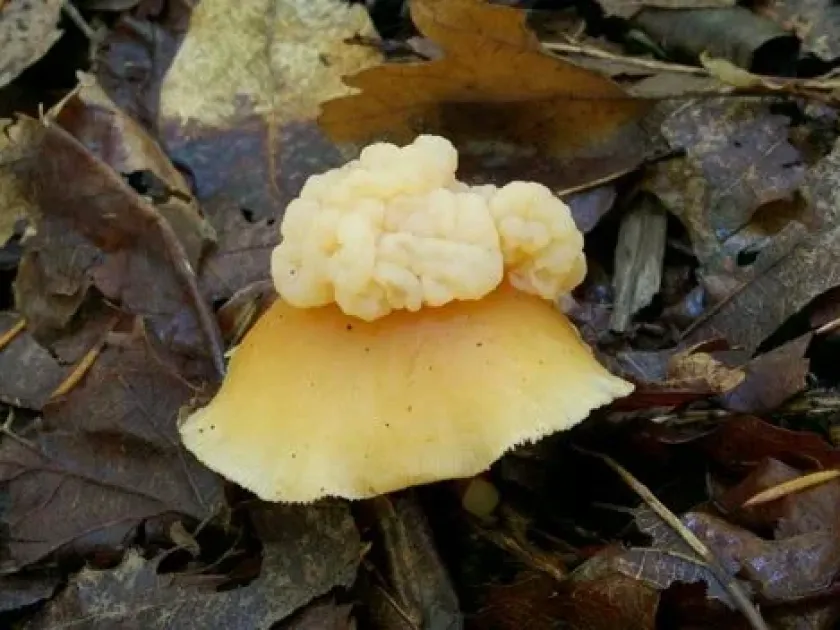
Description
Pathogen
Carcinomycetaceae is a family of basidiomycete fungi belonging to the order Tremellales. While some members of this family are known as mycoparasites, certain strains act as pathogens or associates on various plant species.
The pathogen typically colonizes plant tissues through spores that germinate under favorable conditions, forming hyphae that penetrate the host cells.
The biological cycle involves both asexual and sexual reproduction stages, allowing the fungus to adapt to varying environmental conditions throughout the growing season.
Microscopic examination usually reveals characteristic septate basidia, which serve as the primary taxonomic marker for identifying these fungi in the lab.
Understanding the metabolic pathways of this pathogen is essential for developing targeted antifungal agents that do not harm the host plant.
Conditions for development
The development of the disease is highly correlated with high humidity levels and moisture retention on the surfaces of leaves and stems.
Environmental temperatures between 15°C and 25°C provide the optimal range for the rapid spread of fungal mycelium across infected fields.
Poor field management, including excessive plant density and lack of pruning, prevents adequate air circulation and traps moisture, exacerbating the disease spread.
Soil quality and nutrient balance play a role; nitrogen-rich environments can sometimes prolong the vegetative stage of crops, making them more susceptible to fungal attacks.
Rain splashes and wind currents are the primary vectors for the dissemination of spores from infected debris to healthy plant tissues.
Why it matters
The primary harm caused by Carcinomycetaceae involves the obstruction of vascular tissues, which leads to wilting and stunted plant growth.
Infection often results in necrotic spots and chlorosis, significantly reducing the surface area available for effective photosynthesis.
Yield loss is significant when the pathogen affects reproductive organs, leading to misshapen or rotting fruit that is unfit for market consumption.
The weakening of the plant's immune system makes it more vulnerable to secondary infections by opportunist bacteria or other fungi.
Economic impact is further compounded by the costs of sanitation, disposal of contaminated materials, and the application of chemical control agents.
Protection
Effective management begins with preventative measures, such as the use of disease-free propagation materials and the selection of resistant cultivars.
Sanitation practices, including the removal and burning of infected plant debris, are critical to reducing the primary inoculum in the field.
Chemical control involving systemic fungicides should be applied proactively based on weather forecasts that predict high humidity and infection risk.
- Implementing balanced crop rotation programs.
- Improving air drainage and pruning to reduce canopy density.
- Applying biological control agents to suppress fungal growth.
- Monitoring fields regularly for early detection of symptomatic tissue.
A successful integrated pest management (IPM) strategy relies on the synergy between cultural, biological, and chemical control methods.
Discussion
No discussions yet — be the first.