
Carbonea
Carbonea
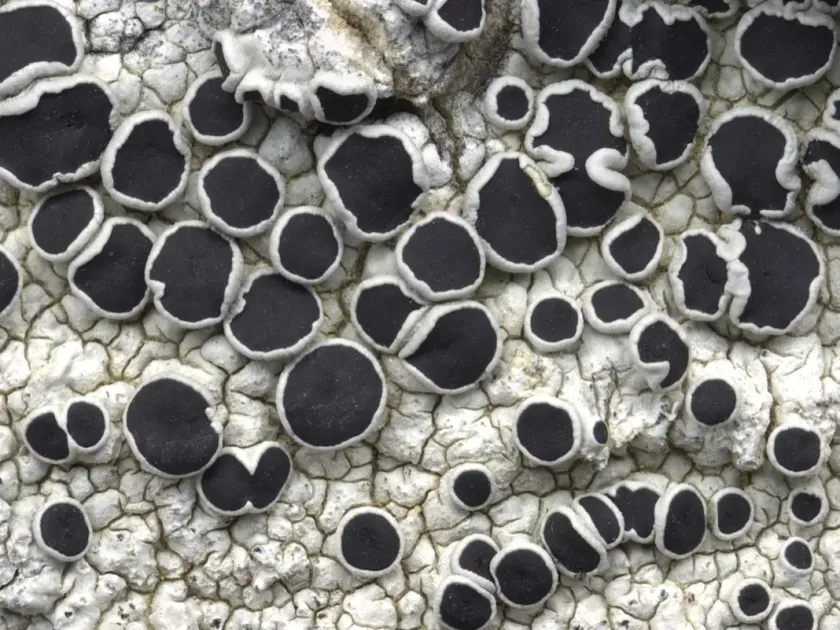
Description
Symptoms
The visual symptoms of a Carbonea infection typically manifest as irregular, dark-colored spots or lesions on leaves, stems, or reproductive structures. As the disease progresses, these spots often expand, turning into necrotic patches.
Microscopic examination usually reveals the presence of small, dense, black fruiting bodies (apothecia) on the surface of the lesions. These structures are a key diagnostic indicator for the presence of the pathogen.
Infected leaves often show signs of premature yellowing and eventual drying. When the infection is severe, the tissue surrounding the lesions may become brittle and tear, leading to a ragged appearance of the canopy.
High humidity levels often lead to the development of a velvet-like fungal growth in the center of the necrotic spots, which marks the active phase of spore production and secondary infection potential.
Early identification is crucial, as the symptoms may initially be mistaken for other forms of leaf spot diseases. Farmers are advised to observe the progression of the spots and utilize field diagnostics to confirm the involvement of the genus.
Pathogen
Carbonea is a genus of fungi belonging to the Ascomycota division. In agronomic terms, these fungi are often associated with lichenicolous lifestyles, but can also act as opportunistic pathogens that colonize the tissues of various plants, leading to localized or systemic damage depending on the host's susceptibility.
The pathogen is characterized by the production of dark, carbonaceous apothecia, which are the reproductive structures of the fungus. These structures allow the pathogen to survive adverse conditions and release spores that facilitate the spread of the infection through air currents and water splashes.
The life cycle of Carbonea is highly dependent on environmental variables. The fungus thrives in moist environments, utilizing plant debris and necrotic tissues as a primary source of nutrients before potentially spreading to healthy plant tissues.
As a pathogen, it exhibits significant resilience. Its ability to persist in the soil and on crop residues makes it a recurring challenge in fields where proper hygiene and crop rotation practices are not strictly maintained.
Scientific research indicates that this fungal genus can adapt to different environmental niches, which underscores the importance of accurate identification to distinguish it from other superficial fungal growths that might not be pathogenic.
Conditions for development
The development of the disease is predominantly driven by high humidity and prolonged leaf wetness. Conditions where relative humidity exceeds 80% for extended periods create an ideal environment for spore germination and colonization.
Temperatures ranging from +18°C to +25°C are optimal for the pathogen's metabolic activity and rapid spread. In these conditions, the infection cycle can repeat several times within a single growing season.
Poor aeration in dense crop stands contributes significantly to the localized accumulation of moisture, facilitating the spread of Carbonea. Limited sunlight exposure, which prevents rapid drying of the foliage, further exacerbates the risk.
Mechanical injuries caused by hail, pests, or agricultural machinery provide entry points for the fungus. Once the protective barrier of the plant cuticle is breached, the pathogen colonizes the underlying tissues with ease.
Nutritional imbalances, particularly an excess of nitrogen, can lead to succulent growth that is more vulnerable to infection. Proper fertilization management is therefore essential to maintain the structural integrity of the plant.
Why it matters
The economic harm caused by Carbonea is primarily due to the reduction of the plant's photosynthetic capacity. When a significant portion of the leaf area is damaged, the plant's ability to produce energy for growth and grain filling is severely compromised.
Infection of reproductive structures can lead to lower yields, stunted growth, and poor seed quality. This directly impacts the market value of the harvest and may disqualify the crop for use as high-quality seed material.
Furthermore, the presence of these fungal lesions creates an environment suitable for colonization by secondary pathogens, including bacteria and other fungi, leading to complex disease profiles that are much harder to treat.
Costs associated with disease management, including the application of fungicides and the need for extra labor to remove infected plant material, represent a significant financial burden for producers.
In cases of severe infestation, the long-term presence of the pathogen in the soil can necessitate extended crop rotation intervals, limiting the choices of crops that can be grown profitably on the affected land.
Protection
Integrated Pest Management (IPM) is the most effective approach to controlling this disease. This includes strict adherence to crop rotation, which breaks the pathogen's life cycle by removing the host source for a sufficient period.
Sanitation practices, such as the deep burial of crop residues after harvest, are vital for reducing the primary inoculum levels. By burying infected tissues, the survival and proliferation of the fungus are significantly suppressed.
When necessary, the application of systemic or contact fungicides should be performed based on threshold monitoring. Targeted application during periods of high risk (e.g., warm and humid weather) is more effective than blanket treatments.
Agronomic adjustments, such as optimizing plant density and improving drainage, can reduce the humidity levels within the canopy, making the environment less hospitable to the pathogen.
- Conduct regular field scouting to detect early signs of the pathogen.
- Use certified disease-free seeds to prevent initial outbreaks.
- Balance soil nutrition, focusing on potassium and phosphorus for improved plant resistance.
- Clean and disinfect farm tools to prevent spreading spores between fields.
Discussion
No discussions yet — be the first.