
Sooty mold
Capnodium
Description
Symptoms
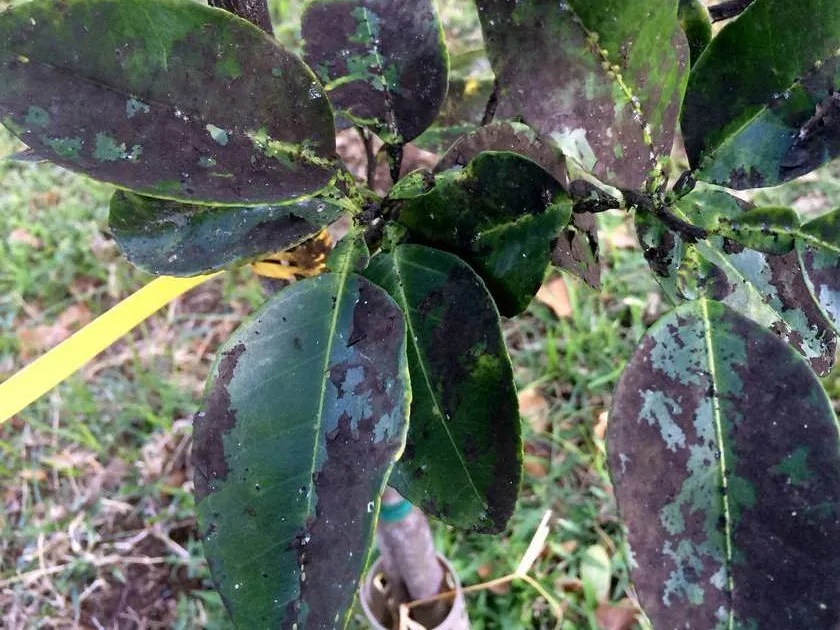
The primary symptom is the appearance of a thin, velvety, black or dark brown coating on the surface of leaves, twigs, and fruit.
Initially, it may manifest as small, patchy spots that gradually spread to cover the entire leaf surface in a dense layer.
The mold looks like soot or dust and can usually be wiped off with a damp cloth or by rubbing it between fingers.
Severely affected plants appear dark, dull, and unattractive, which often alarms gardeners who notice the decline in aesthetic quality.
On fruits, the mold creates unsightly dark stains that are difficult to remove without damaging the skin of the produce.
Pathogen
Sooty mold is caused by various fungi in the Capnodium genus, which colonize plant surfaces to feed on organic matter.
These fungi are not true pathogens because they do not extract nutrients from the plant's internal tissues, living entirely as epiphytes.
They thrive exclusively on honeydew, a sugary substance secreted by sap-sucking insects like aphids, whiteflies, and scale insects.
The dark, almost black pigmentation of the fungal mycelium is due to melanin, which helps the fungus survive under high solar radiation.
The presence of sooty mold is an indirect diagnostic sign of a significant infestation of insects that secrete honeydew in the garden.
Conditions for development
The development of sooty mold is strictly dependent on the activity of sap-sucking insects that deposit honeydew on the foliage.
High humidity and poor air circulation within the plant canopy create a microclimate that accelerates the growth of the fungus.
Warm temperatures in the presence of existing honeydew provide optimal conditions for the rapid multiplication of Capnodium spores.
Overcrowded plantings and lack of proper pruning prevent airflow, keeping the humidity high enough for the mold to persist.
The lack of systematic control against aphid colonies is the leading factor in the wide spread of sooty mold across an orchard.
Why it matters
The major impact is the obstruction of photosynthesis, as the black layer acts as a physical barrier preventing light from reaching the leaves.
As a result, the plant's metabolic processes slow down, leading to reduced growth, lower yields, and diminished vigor.
The black crust can interfere with gas exchange through the stomata, which can cause physiological stress in the plant tissues.
Fruits affected by the mold lose their commercial value due to the degraded appearance and potential reduction in shelf life.
In cases of chronic infection, the plant may lose leaves prematurely, which leads to stunted development and increased susceptibility to winter damage.
Protection
The most effective strategy is the aggressive control of sap-sucking insects using appropriate systemic or contact insecticides.
Pruning should be performed to improve canopy ventilation and reduce the humidity levels that favor fungal growth.
Washing the plant surfaces with a mild soap solution or applying fungicides can help remove existing layers of the mold.
Preventative applications of copper-based products can limit the ability of spores to establish themselves on the foliage.
- Monitor plants for the presence of aphids and scale insects.
- Implement timely insecticide sprays during the growing season.
- Ensure adequate spacing between plants for better aeration.
Discussion
No discussions yet — be the first.