
Sooty mold
Capnodiales
Description
Symptoms
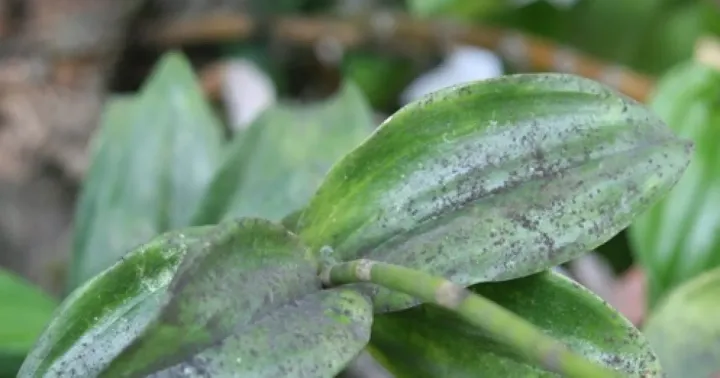
The primary symptom of the disease is the appearance of a characteristic black or dark brown coating on the surface of leaves, shoots, and fruits. This coating visually resembles soot, which is why it is commonly called sooty mold.
Unlike many other infections, the layer can be wiped off easily if the mycelium has not yet firmly attached to the surface. However, the plant tissue underneath may appear stunted, yellow, or die prematurely due to impaired photosynthesis.
In cases of severe infection, entire branches become covered in this black layer, giving the plant an unsightly appearance. Affected leaves often curl and drop early, which significantly weakens the tree or shrub before winter.
It is crucial to distinguish sooty mold from primary infections, as it rarely attacks healthy tissues. It is almost always secondary, indicating the presence of insect pests that secrete honeydew.
Detecting the disease requires immediate inspection for aphids, whiteflies, scale insects, or mealybugs, which are the main facilitators of this fungus.
Pathogen
The pathogens are fungi of the order Capnodiales. These microorganisms belong to the group of saprotrophs that do not feed on the tissues of living plants but on the excretions of other organisms.
The fungus does not penetrate the plant tissues but develops exclusively on the surface of leaf cuticles or bark. Its development is directly related to the presence of honeydew on the plant.
Honeydew consists of sugary waste produced by insects such as aphids, scales, and whiteflies. This sugary substrate provides an ideal nutritional environment for the germination of sooty mold spores.
The species composition of the fungi may vary depending on the climatic zone and the host plant. The most common representatives belong to the genera Capnodium and Fumago.
The fungus's life cycle is entirely dependent on the activity of insect pests, so controlling the pathogen is impossible without eliminating the primary food source.
Conditions for development
The main condition for the mass development of sooty mold is high air humidity combined with abundant sugary insect secretions on the plant surface.
Dense planting, poor crown ventilation, and stagnant air create a microclimate that facilitates the rapid spread of fungal spores across the garden.
Warm weather combined with frequent rainfall or evening overhead irrigation triggers more active reproduction of the mycelium on the plant's surface.
Lack of proper garden maintenance, especially ignoring the control of sucking insects, leads to sooty mold becoming a persistent problem throughout the growing season.
The fungus can survive as spores in bark crevices, plant debris, and soil, meaning the infection risk remains high for several seasons if not managed.
Why it matters
The main damage caused by sooty mold is the obstruction of photosynthesis. The black layer blocks sunlight from reaching the leaf surface, which suppresses the plant's metabolism.
The plant's respiration is also impaired as the mycelium clogs the stomata through which gas exchange occurs. This weakens the plant's immunity and reduces overall yield.
The aesthetic value of fruits is diminished; they lose their flavor and often become unsuitable for long-term storage or processing.
Heavily affected seedlings lag in growth and development, their shoots ripen poorly, which reduces the plant's winter hardiness and increases the risk of winter damage.
Beyond direct damage, the presence of sooty mold indicates critical pest infestation, as these insects themselves drain the plant by feeding on cell sap.
Protection
The first priority in control is the elimination of insect pests. Without removing aphids, scales, or whiteflies, fungicides will not provide a long-lasting effect.
- Apply systemic insecticides regularly to control pest populations.
- Prune the crown to improve air circulation and light penetration.
- Clean bark and remove heavily infected shoots in a timely manner.
- Use copper-based fungicides as a preventative measure.
- Follow good horticultural practices: water at the base and control weeds.
If the mold covers a small area, it can be gently washed off with a soapy solution using a soft brush, helping the plant resume normal gas exchange.
Prevention includes regular monitoring of plants, especially during active growth phases, when the probability of the first pest colonies appearing is at its highest.
Discussion
No discussions yet — be the first.