
Cantharellula
Cantharellula
Description
Pathogen
The genus Cantharellula belongs to the family Tricholomataceae. In academic mycological studies and plant pathology, this genus is not recognized as a disease-causing agent or a pathogen for agricultural crops or vascular plants.
These fungi are saprotrophic in nature. They inhabit forest floors and woodland environments, where they decompose organic litter such as leaf mold and conifer needles, serving as essential decomposers in nutrient cycling.
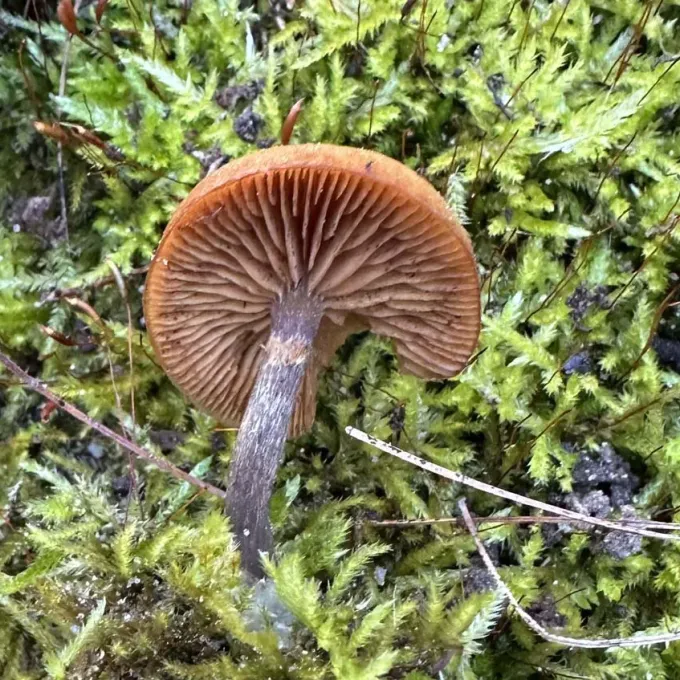
The most representative species, Cantharellula umbonata, is frequently documented in mycology as a ground-dwelling mushroom. It does not possess the pathogenic mechanisms, such as parasitic hyphae penetration, required to infect living plant tissue.
Mistaken reports of this fungus being a plant disease typically stem from its presence in forest soils or near the root zones of trees, where it interacts with the soil structure rather than the plant's vascular system.
As a result, there is no need for protective measures, fungicides, or agricultural controls against this genus. It is considered an indicator of organic richness in the soil rather than a threat to vegetation.
Discussion
No discussions yet — be the first.