
Clematis calophoma
Calophoma clematidis-rectae
Description
Symptoms
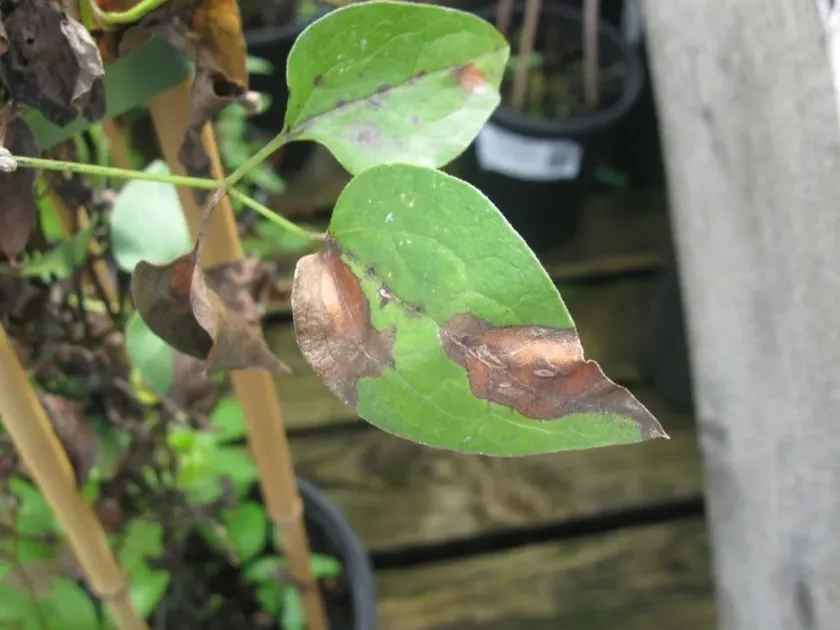
The early symptoms of the disease appear as circular or irregular spots on the leaves. Initially, they exhibit a light brown or greyish color, often surrounded by a darker, distinct margin.
As the infection progresses, these spots enlarge and may coalesce, covering a significant portion of the leaf surface. Affected leaf tissue eventually becomes necrotic, turns brittle, and dries out.
A diagnostic feature is the presence of tiny black dots visible on the surface of the lesions. These are the pycnidia, which confirm the fungal nature of the spotting rather than physiological burn.
Stem infection leads to browning, loss of turgor, and the eventual death of individual shoots. When the fungus colonizes the base of the stem, it can mimic the symptoms of sudden clematis wilt.
Severe infection causes premature defoliation, which severely impacts the plant's aesthetic value and vitality, leading to reduced growth and poor floral development in the following season.
Pathogen
The disease is caused by the fungus Calophoma clematidis-rectae. This pathogen is a specialist parasite belonging to the coelomycetes group, specifically targeting the vegetative parts of various clematis species.
The fungus produces pycnidia, which are specialized fruiting bodies that contain pycniospores. These spores are the primary mechanism for the spread of the pathogen during the growing season.
The fungus survives the winter in infected plant debris, fallen leaves, and stems left in the garden. Its mycelium can remain dormant within the host tissues until conditions improve.
Primary infection occurs in the spring when spores are splashed onto young shoots or leaves by rain or irrigation. Once established, the pathogen completes its life cycle repeatedly throughout the summer.
While the pathogen often exploits weakened hosts, its high reproductive capacity allows it to infect healthy plants under favorable environmental conditions, leading to significant outbreaks in gardens.
Conditions for development
High humidity and prolonged periods of wet weather are the primary catalysts for disease development. Excessive rainfall, heavy morning dews, and high air humidity facilitate rapid spore germination.
The fungus thrives within a temperature range of 18°C to 25°C. Warm and dry weather tends to inhibit the development of the pathogen and prevents the spread of the disease across the garden.
Overcrowded plantings with poor air circulation create a microclimate that prevents foliage from drying out, allowing the fungus to germinate and colonize the tissue effectively.
Failure to implement basic sanitary measures, such as removing dead foliage, creates a reservoir for the pathogen. These sources reactivate the disease whenever moisture levels rise.
Physical injuries to the stems or leaves caused by pruning, insects, or environmental stress provide entry points for the fungal spores, allowing for a much faster infection process.
Why it matters
The primary impact of Calophoma clematidis-rectae is the rapid loss of ornamental value. A clematis covered in necrotic spots and wilting stems loses its appeal as a garden centerpiece.
Fungal damage significantly disrupts the plant’s photosynthetic capacity. When the leaf surface is compromised, the plant cannot produce enough energy to support vigorous growth or blooms.
Infected plants are often less prepared for winter dormancy. The exhaustion of nutrient reserves in the root system reduces the plant's cold hardiness and potential for flowering next year.
The disease spreads quickly via wind and splashing water, meaning that once it gains a foothold, it can threaten an entire collection of clematis, necessitating large-scale intervention.
If left untreated, the accumulation of fungal inoculum in the soil and remaining plant tissue makes it extremely difficult to maintain healthy clematis in the same garden bed.
Protection
The foundation of management is strict adherence to cultural practices. It is crucial to ensure proper spacing between plants to maximize airflow and minimize the duration of leaf wetness.
Sanitation is mandatory: all fallen leaves and infected stems must be carefully collected and destroyed at the end of the season to eliminate the overwintering source of the fungus.
When symptoms appear, fungicide application is necessary. Copper-based products and systemic fungicides are generally effective in halting the growth of the pathogen within the tissue.
Preventive treatments should begin in early spring before the first leaves fully expand and should be repeated regularly during periods of high humidity to protect vulnerable new growth.
- Water at the base of the plant to keep the foliage as dry as possible.
- Use balanced fertilizers, avoiding excessive nitrogen that makes growth susceptible to infection.
- Manage insect pests that may create wounds for fungal entry.
- Disinfect all pruning tools with alcohol or a bleach solution between plants.
Discussion
No discussions yet — be the first.