
St. George's mushroom
Calocybe gambosa
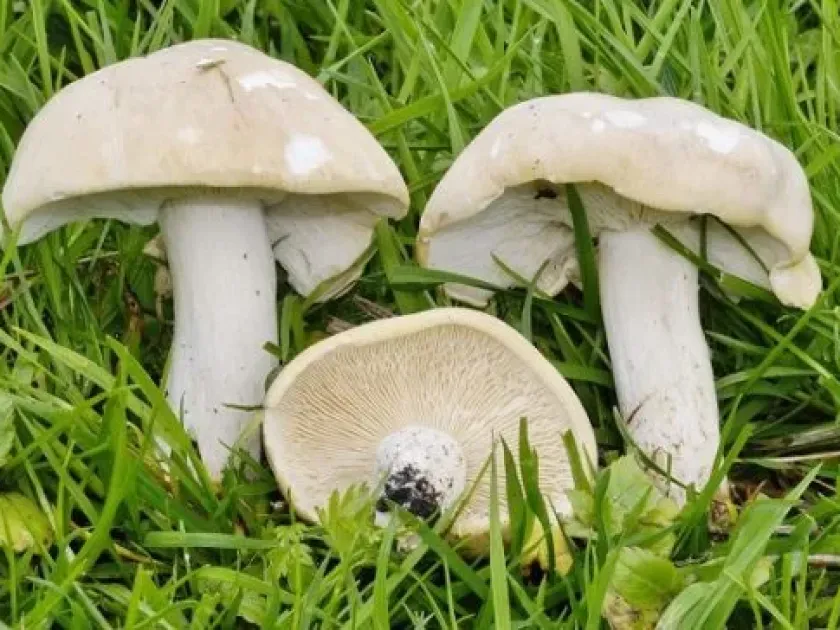
Description
Symptoms
St. George's mushroom, identified as Calocybe gambosa, is a fungus that frequently colonizes soil by forming circular, dense patches of mycelium.
The primary symptom is the emergence of visible white fungal threads within the top layer of the soil and around the root collars of various plants.
During the spring season, typical fleshy, cream-colored fruiting bodies with a distinct mealy aroma appear, marking the active phase of the colony.
Plants affected by the presence of this fungus often show signs of nutrient deficiency, stunted growth, and yellowish foliage during the vegetation period.
In areas of intense fungal growth, the root zone becomes compacted, which leads to the visible wilting of grass and herbaceous perennial plants.
Pathogen
The causative agent is the basidiomycete fungus Calocybe gambosa, a member of the Lyophyllaceae family.
While primarily a saprotroph, it acts as a facultative parasite in garden ecosystems, actively competing for space and nutrients in the rhizosphere.
The fungus survives as a persistent vegetative mycelium, which can remain viable in the soil for extended periods, even under unfavorable conditions.
Dispersal occurs both through wind-borne spores and the continuous subterranean growth of the fungal network across the plot.
This organism is characterized by its high adaptability, allowing it to colonize diverse soil types ranging from loams to rich organic garden soils.
Conditions for development
The fungus thrives in nutrient-rich, well-structured soils, particularly those with a high content of decomposing organic matter.
Increased humidity, combined with moderate spring temperatures between +10 and +20 degrees Celsius, provides optimal conditions for rapid development.
Shaded locations with limited air circulation are the preferred habitats for Calocybe gambosa, as they preserve stable microclimatic conditions.
Inadequate soil aeration and stagnant moisture encourage the colonization of roots, leading to the establishment of stable fungal colonies.
The presence of old plant roots and woody debris in the soil serves as a significant food source that fuels the expansion of the mycelium.
Why it matters
The main threat is the severe competition with crops for essential minerals, water, and dissolved oxygen in the root zone.
The dense mycelial mat can physically obstruct the root system, hindering the uptake of vital nutrients and water by the host plant.
Metabolic activities of the fungus can alter soil pH and composition, creating an unfavorable environment for the development of healthy plant root hairs.
Plants weakened by this fungal interference become significantly more susceptible to secondary pathogenic attacks and environmental stressors.
The overall vigor and yield of fruit trees or garden shrubs may decline as a direct consequence of long-term fungal pressure in the soil.
Protection
Physical destruction of the mycelium through regular soil cultivation and turning is the most effective cultural control method.
Chemical intervention involving copper-based fungicides can be utilized to treat the affected soil patches and inhibit further expansion.
Improving soil drainage and promoting aerobic conditions significantly reduces the likelihood of successful fungal establishment.
Proper sanitation, including the removal of dead woody tissues and organic debris, limits the available substrate for fungal nutrition.
- Monitor for early signs of mycelial development in the spring.
- Perform regular aeration to break up dense fungal mats.
- Apply biological soil conditioners to restore microbial balance.
Discussion
No discussions yet — be the first.