
Callistosporium xanthophyllum
Callistosporium xanthophyllum
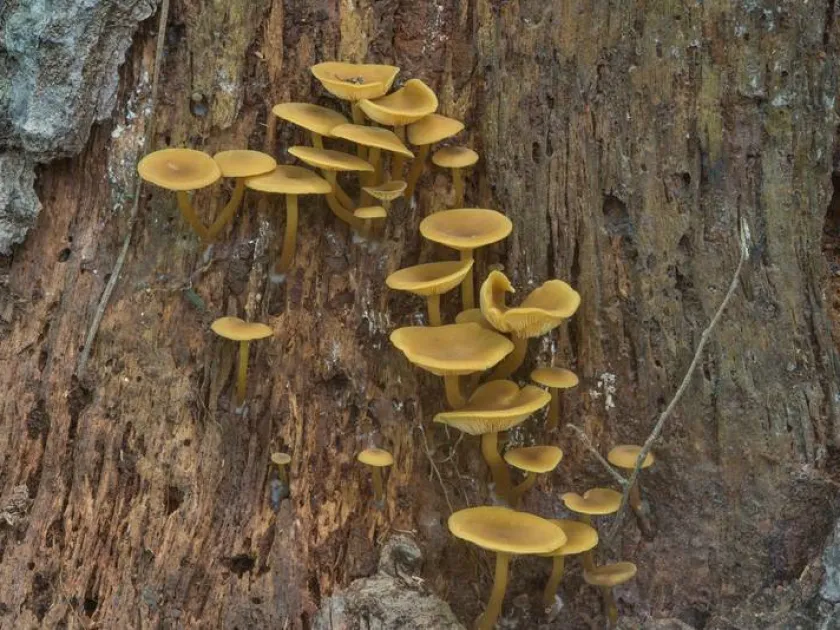
Description
Symptoms
The presence of Callistosporium xanthophyllum is usually identified by the formation of characteristic fruit bodies on the bark or wood surface.
Infected wood tissue begins to show signs of softening and degradation, indicating the progression of decay within the plant structure.
The fruit bodies exhibit distinct yellow or ochre hues, which allow them to be visually distinguished from other wood-inhabiting fungi.
Visible cracks and lesions may appear on the tree bark, often acting as entry points for the fungal mycelium to colonize inner layers.
General symptoms of host decline include yellowing of leaves, premature defoliation, and stunted growth in severely affected branches.
Pathogen
The pathogen is a basidiomycete fungus identified as Callistosporium xanthophyllum, a known xylotrophic organism.
This fungus survives by breaking down complex polymers like lignin and cellulose, which are fundamental components of woody plant structures.
The life cycle involves the vegetative colonization of wood fibers and the periodic production of reproductive basidiocarps.
It acts as both a saprotroph, decomposing dead wood, and a facultative parasite that can attack stressed living trees.
Dispersal occurs primarily via airborne basidiospores that settle on suitable substrates to initiate new infection cycles.
Conditions for development
High humidity and moisture retention on bark surfaces are critical environmental factors favoring the growth of this fungus.
Moderate temperatures during the growing season support the rapid development of mycelial networks and fruit bodies.
Injuries to the tree caused by pruning, storms, or pest activity significantly lower the plant's defense against colonization.
Poor site drainage and dense canopy conditions create microclimates that sustain fungal activity and facilitate infection spread.
Trees undergoing physiological stress due to drought or nutrient deficiencies are significantly more susceptible to successful fungal attack.
Why it matters
The fungus causes structural degradation of the wood, which severely compromises the mechanical stability of the tree trunk and branches.
Internal decay reduces the tree's capacity to transport essential nutrients and water, often leading to crown dieback.
Infected trees become focal points of infection, potentially spreading spores to healthy neighboring trees within the environment.
The economic impact involves the loss of timber quality, increased maintenance costs, and the potential need for hazardous tree removal.
Overall vitality of the landscape or forest ecosystem is threatened as host trees progressively lose their physiological resilience.
Protection
Implementation of regular sanitary inspections is the first line of defense to identify the presence of the pathogen early.
Pruning out infected branches and removing severely decayed trees is necessary to reduce the overall inoculum load.
Disinfection of all pruning tools using alcohol or bleach solutions is critical to prevent human-assisted transmission of spores.
Proper wound care, such as sealing large cuts with protective agents, can help prevent the colonization of open tissues.
Enhancing tree vitality through adequate irrigation, fertilization, and pest management is essential to bolster natural resistance.
Discussion
No discussions yet — be the first.