
Callistosporium elaeodes
Callistosporium elaeodes
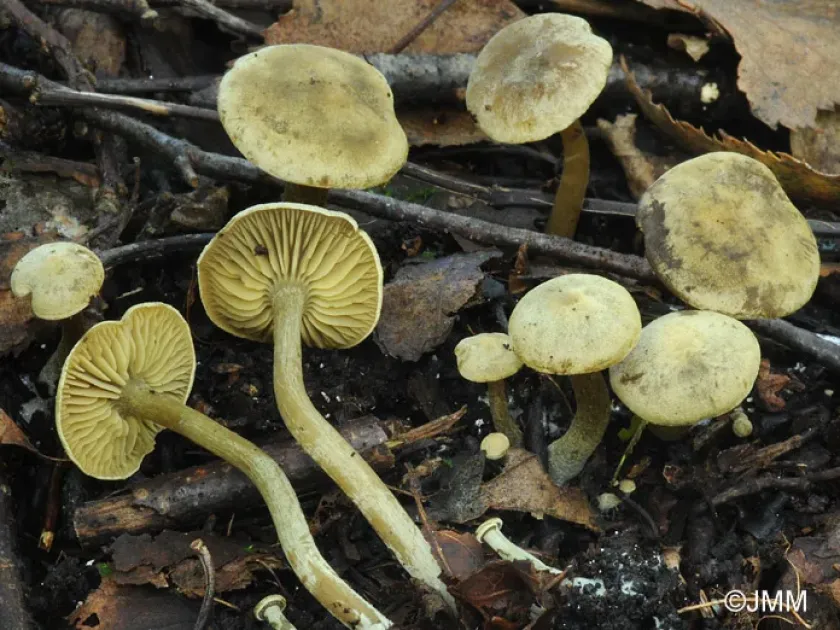
Description
Symptoms
The most visible sign of infection is the emergence of small, olive-brown to golden-colored fruiting bodies on the bark or within crevices of the tree trunk. These structures indicate that the fungus has successfully colonized the internal tissues.
Infected trees typically display signs of decline, including the gradual dieback of scaffold branches. The foliage may become sparse and exhibit a dull, discolored appearance, signaling a failure in the plant's vascular system.
Upon closer inspection, such as examining a cross-section of the wood, one might find a distinct olive-colored discoloration of the internal tissues. This color shift, which gives the species its name, is a result of fungal enzymatic activity.
Structurally compromised wood becomes brittle, increasing the tree's susceptibility to wind-throw and breakage. The decay process weakens the trunk's integrity, making the tree less capable of supporting its own weight.
- Presence of olive-brown fruiting bodies on the bark.
- Internal wood discoloration (olive staining).
- Premature yellowing and leaf shedding.
- Loss of structural wood integrity.
- Increased attraction of secondary boring insects.
Pathogen
Callistosporium elaeodes is a basidiomycetous fungus classified within the Tricholomataceae family. Although primarily functioning as a saprotroph that decomposes dead wood, it can act as a facultative parasite, compromising the vitality of living trees.
This fungus is a xylotroph, meaning it specializes in breaking down complex plant materials such as lignin and cellulose. Its ecological role is essentially that of a decomposer, yet in managed forests or orchards, it is identified as a potential threat to tree stability.
The pathogen propagates through basidiospores that are dispersed by wind and air currents. These spores gain entry into the tree host primarily through mechanical wounds, pruning cuts, or frost cracks in the bark.
Once inside, the mycelium colonizes the internal tissues, initiating a slow but steady process of wood degradation. This internal colonization often remains invisible to observers until the infection has reached an advanced stage.
The biological cycle of the fungus is closely tied to the physiological state of the host. Stress factors such as prolonged drought or physical damage often create the necessary environment for the mycelium to establish itself within the host's woody structures.
Conditions for development
High humidity and moisture levels are the most critical factors favoring the development of Callistosporium elaeodes. The fungus thrives in shaded, poorly ventilated areas where moisture persists on tree surfaces for extended periods.
Moderate temperatures facilitate the rapid growth of fungal mycelium. While the fungus is not typically aggressive in high-heat environments, it excels in damp, stable microclimates found in dense forest stands or poorly managed orchards.
Trees under physiological stress, often caused by adverse environmental conditions or poor soil health, are significantly more vulnerable. A weakened immune system prevents the plant from effectively compartmentalizing the fungal invasion.
Inadequate sanitation during pruning operations is a major factor in disease spread. Using contaminated tools allows the spores to be transferred directly into the fresh, vulnerable tissue of healthy trees.
Overcrowded plantations restrict airflow, creating the stagnant humid conditions that spores need to settle and germinate on the bark, thereby increasing the overall risk of infection within the stand.
Why it matters
The primary harm caused by this fungus is the gradual structural decay of the host tree, leading to reduced productivity and, eventually, premature mortality. This represents a direct economic loss in timber and forestry operations.
In the timber industry, infected wood loses its mechanical strength and market value, as the degraded fibers are unsuitable for most high-quality construction purposes.
For ornamental and fruit trees, an infection can lead to the loss of valuable specimens. The cost of removing and replacing large, diseased trees is a significant burden for orchard owners and landscape managers.
The presence of the fungus also makes trees more attractive to secondary insect pests, which further accelerate the decay process and contribute to the total collapse of the wood structure.
Widespread infection within a stand can negatively impact the ecosystem, reducing the long-term health and biodiversity of the area by turning vibrant trees into centers of fungal dispersion.
Protection
Effective management begins with strict sanitation practices. All infected wood should be promptly removed and either burned or destroyed to eliminate the source of fungal spores in the area.
Regular disinfection of pruning tools is essential to prevent cross-contamination between healthy and infected trees. Using fungicides on fresh pruning wounds creates a necessary barrier against spore entry.
Maintaining the overall health of the plantation through proper irrigation, fertilization, and site management helps trees develop the vigor needed to resist colonization by the fungus.
Thinning out dense stands improves air circulation and reduces humidity levels around the trunks, creating conditions that are unfavorable for the germination of fungal spores.
Regular monitoring of tree health allows for the early detection of symptoms. When fruiting bodies appear, proactive interventions must be implemented immediately to contain the infection and protect the remaining trees in the stand.
Discussion
No discussions yet — be the first.