
Callistosporium
Callistosporium
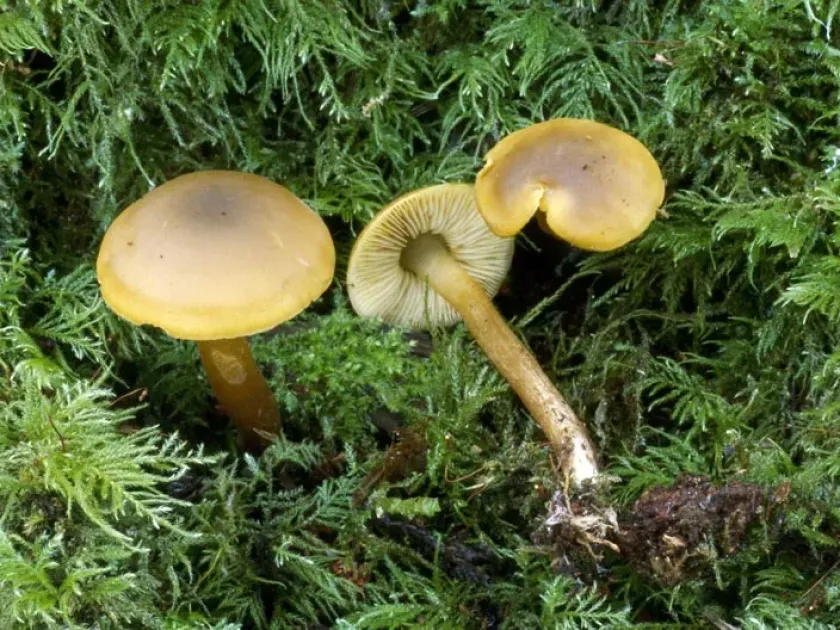
Description
Pathogen
The genus Callistosporium comprises basidiomycete fungi primarily classified as saprotrophs. These organisms do not act as plant pathogens in agricultural or horticultural production.
Biological activity of these fungi is centered on the decomposition of lignocellulosic materials. They play a vital role in natural nutrient recycling processes.
The mycelium of these fungi permeates decaying wood, secreting enzymes that break down organic matter into simpler compounds for further soil assimilation.
Morphologically, the genus is recognized by specific colors and spore prints, distinguishing them from other forest fungi. Reproduction typically occurs via sexual spores released from the basidiocarp.
Understanding their taxonomy is important for mycologists focusing on forest biodiversity rather than pest management in farming systems.
Conditions for development
Fungi of the Callistosporium genus thrive in environments with high moisture levels. They are typically found in woodland areas colonizing deadwood.
Optimal development is achieved in shaded conditions where the substrate maintains a consistent level of humidity. They are particularly active during cooler, damp seasons.
The presence of fallen logs, stumps, or buried woody debris is essential for their establishment. They prefer substrates that are already undergoing partial decay.
Microclimatic stability, provided by dense forest canopy, ensures the survival of fungal colonies throughout the year.
Changes in soil pH and organic matter composition in forest environments can influence the successional stages of these fungal populations.
Why it matters
There is no economic damage associated with Callistosporium regarding food crops. These fungi are not pathogens of agricultural interest.
They do not invade healthy tissue of living plants. Consequently, they do not cause wilting, root rot, or any form of crop failure.
Their presence on wood signifies natural decomposition processes within an ecosystem. They are considered benign inhabitants of forested areas.
No preventative measures or pesticide treatments are required for managing these fungi in a farming or gardening context.
In conclusion, Callistosporium species are ecologically beneficial due to their role in wood degradation and do not represent a threat to cultivated plants.
Discussion
No discussions yet — be the first.