
Bovistella
Bovistella
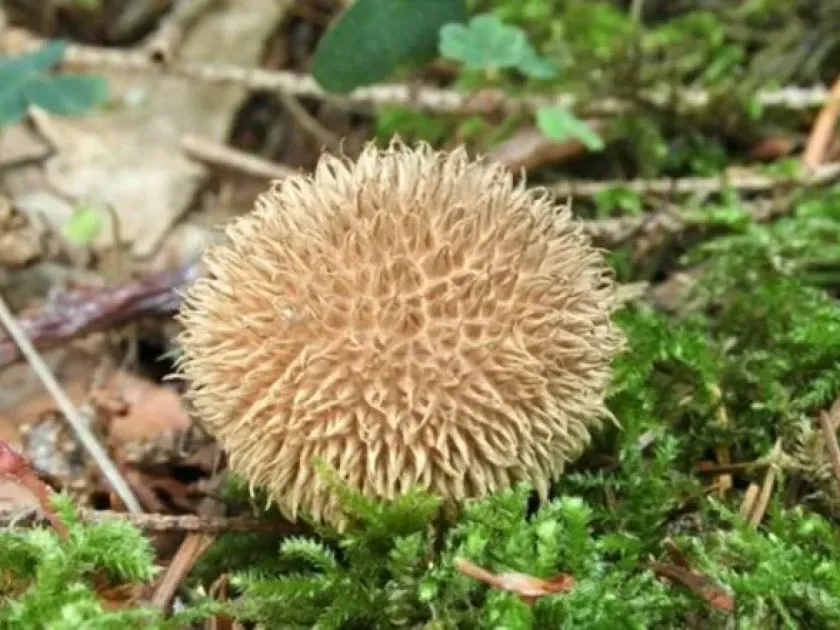
Description
Symptoms
The primary sign of Bovistella presence is the emergence of distinctive rounded fruiting bodies on the soil surface or among plant residues after periods of high moisture.
The second sign is the development of a white or grayish mycelial mat in the rhizosphere. This mycelium often envelopes root residues, indicating active colonization of the immediate planting environment.
A third sign includes stunted plant growth. Crops in areas heavily colonized by the fungus may show decreased vigor due to impaired nutrient uptake and changes in the local soil water regime.
The fourth sign involves foliage symptoms; plants may exhibit chlorosis, a direct result of nutritional deficiencies caused by the fungal activity in the root zone limiting the availability of essential minerals.
The fifth sign is the release of a powdery cloud of spores upon mechanical disturbance of mature fruiting bodies, facilitating rapid dispersal across the field via wind currents.
Pathogen
The genus Bovistella belongs to the Agaricaceae family and comprises a group of gasteromycete fungi. In agronomy, this organism is typically identified as a soil saprotroph closely involved in the decomposition of organic matter.
The pathogen produces spherical fruiting bodies that release large quantities of spores upon maturity. These spores can persist in the soil substrate for extended periods, remaining viable until environmental conditions trigger germination.
As a saprotroph, Bovistella utilizes dead organic matter as its primary energy source. However, high concentrations of mycelium can lead to competition for resources with crop root systems, potentially impacting plant health.
Biologically, this fungus serves as a component of the soil biota, playing a significant role in nutrient cycling. Its pathogenic impact is largely indirect, resulting from resource exhaustion or the suppression of beneficial soil microorganisms.
The mycelium colonizes the upper soil layers, where organic debris is abundant. It forms dense networks that can modify soil structure and aeration, potentially impeding the root development of sensitive agricultural plants.
Conditions for development
Optimal conditions for Bovistella development involve high soil moisture levels combined with moderate temperatures, typically ranging from +18 to +25 degrees Celsius.
The presence of abundant non-decomposed plant residues, such as straw or stubble, provides an ideal nutritional substrate for mycelial expansion. Lack of proper post-harvest soil management facilitates its proliferation.
High-density plantings that restrict air circulation and maintain high humidity in the soil and lower canopy are particularly vulnerable to fungal colonization.
Neutral or slightly acidic soil pH levels are most conducive to rapid mycelial growth, whereas extreme deviations in pH may act as a limiting factor.
Continuous monocropping without appropriate rotation cycles promotes the accumulation of spores, leading to higher infection pressure over subsequent growing seasons.
Why it matters
The main damage caused by Bovistella is the rapid depletion of organic matter within the soil, which is vital for maintaining long-term soil fertility and nutrient availability for crops.
The fungal mycelium can physically compact the topsoil, creating a barrier that prevents roots from penetrating deeper into the profile and restricts oxygen supply to the root zone.
Metabolic by-products of the fungus may negatively affect the existing soil microbiome, suppressing beneficial fungi and bacteria that contribute to plant disease resistance.
Damage is also noted in the decline of overall produce quality, especially in berry or vegetable crops where direct contact with the fungal structure is undesirable.
Increased competition for essential water and nutrients during critical plant growth stages often leads to reduced yields and lower economic efficiency of the farming operation.
Protection
The primary control measure is deep plowing and timely incorporation of plant residues into the soil, which accelerates decomposition and eliminates the food source for Bovistella.
Strict adherence to a well-planned crop rotation strategy is essential to break the fungal life cycle and significantly reduce the background infection level in the field.
The application of bio-preparations containing antagonist bacteria can accelerate organic matter breakdown and suppress pathogenic mycelium through ecological competition.
- Ensuring proper soil drainage to avoid waterlogging.
- Regular inter-row cultivation to improve aeration and disrupt fungal mats.
- Adjusting soil fertility and pH levels to favor healthy crop growth and beneficial soil biota.
Chemical control via fungicides is recommended only as a last resort in cases of severe infestation where non-chemical methods fail to prevent substantial yield loss.
Discussion
No discussions yet — be the first.