
Marsh puffball
Bovista paludosa
Description
Pathogen
The Marsh puffball (Bovista paludosa) is a species of fungus belonging to the Agaricaceae family, functioning primarily as a saprotroph.
It is not a plant pathogen, meaning it does not infect or damage living crops, but instead feeds on decaying organic matter in the soil.
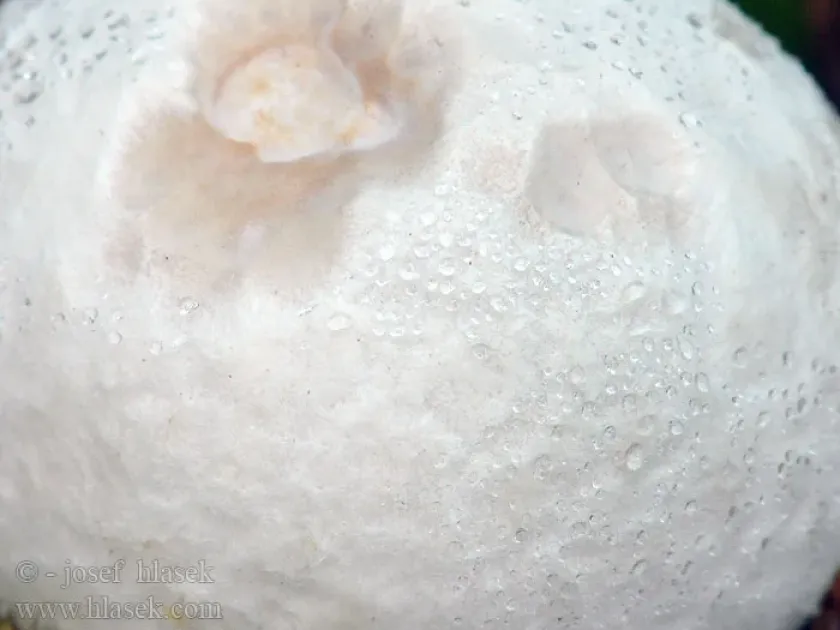
The fungus produces small, spherical fruiting bodies that release spores when mature, allowing it to colonize wet habitats efficiently.
From an agronomic perspective, it acts as a bio-indicator rather than a disease-causing agent in agricultural systems.
Its biological cycle is focused on the breakdown of organic material in damp environments, which plays a role in natural nutrient recycling.
Conditions for development
Bovista paludosa thrives in conditions characterized by high soil moisture, often appearing in wetlands, marshes, or boggy meadows.
The presence of mosses and undisturbed organic layers provides the necessary substrate for the fungus to develop its mycelium.
Cooler, humid weather conditions during late summer and autumn are ideal for the development of its fruiting bodies.
Poor soil drainage and low oxygen levels in the substrate are key factors that favor the appearance of this species on or near farmland.
Areas with acidic soil pH levels are also frequently colonized by the Marsh puffball due to its preference for such specific microclimates.
Why it matters
The Marsh puffball poses no direct threat to crop health and does not cause any infectious diseases in plants.
However, its presence can be seen as an indicator of poor drainage and waterlogging, which are detrimental to most commercial crops.
Soils where this fungus flourishes often suffer from low aeration, which restricts root growth and limits overall plant vigor.
While the fungus itself does not attack crops, the environmental conditions it requires are often suboptimal for high-yield agriculture.
Therefore, farmers should consider the presence of the Marsh puffball as a warning sign regarding the hydraulic management of the land.
Protection
No chemical fungicides are recommended or needed to control the Marsh puffball, as it is a harmless saprotrophic organism.
Effective management focuses on improving soil drainage systems to reduce water stagnation across agricultural fields.
Implementing regular tillage and soil aeration techniques will modify the environment, making it less hospitable for this wetland-dwelling fungus.
Adjusting soil pH through liming can also help shift the soil ecosystem toward conditions more favorable for cultivated crops.
Maintaining a robust crop rotation and land maintenance strategy is sufficient to manage the presence of this fungus on agricultural land.
Discussion
No discussions yet — be the first.