
Bovista nigrescens
Bovista nigrescens
Description
Symptoms
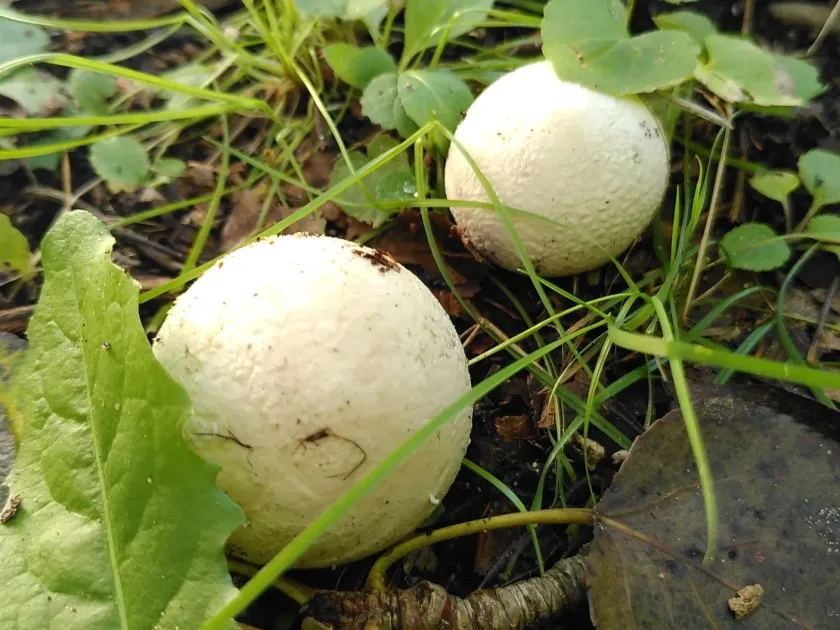
The fruiting bodies of Bovista nigrescens are spherical or pear-shaped, typically ranging from 3 to 6 centimeters in diameter.
Initially white or pale, the outer skin (peridium) darkens to a deep brown or blackish hue as the spores reach maturity.
Inside, the mature fruiting body is filled with a brown, powdery mass of spores that is released when the skin cracks or is compressed.
A key visual identifier is the absence of a sterile stem or root-like structure, as the puffball usually rests directly on the soil surface.
These fungi are often observed growing in clusters or forming fairy rings in open, grassy areas like pastures and field margins.
Pathogen
Bovista nigrescens, commonly known as the blackish puffball, is a fungus species belonging to the family Agaricaceae.
This organism is not a plant pathogen and does not cause any diseases in crops, vegetables, or ornamental garden plants.
As a saprotrophic fungus, it plays a vital role in soil ecosystems by decomposing dead organic matter such as plant debris and leaf litter.
The mycelium of this fungus spreads through the soil and surface organic layers, recycling nutrients and contributing to soil health and fertility.
It does not possess the biological mechanisms to invade living plant tissues or secrete phytotoxic enzymes, making it harmless to agricultural crops.
Conditions for development
Growth of Bovista nigrescens is favored by nutrient-rich soils with moderate moisture levels, particularly following periods of rainfall.
The fungus thrives in open, unshaded environments such as meadows, pastures, and grassy roadside strips where organic matter is readily available.
Temperature plays a significant role, with moderate climates facilitating the development of the mycelium and the emergence of fruiting bodies.
Increased humidity is essential for the transition from the vegetative stage to the formation of visible fruiting bodies on the surface.
Regular soil cultivation or deep plowing can temporarily disrupt the surface-level mycelial network, limiting the growth of new puffballs.
Why it matters
Bovista nigrescens poses no threat to agricultural productivity as it does not parasite crops or cause any plant pathology.
The fungus does not inhibit seed germination, root development, or crop yield, maintaining a strictly neutral relationship with agricultural plants.
There are no recorded instances of this fungus damaging grain quality or vegetable production in any commercial farming sector.
In some cases, the presence of these mushrooms may slightly interfere with mechanical harvesting or mowing, but this is a minor operational inconvenience.
It is classified as a beneficial soil microorganism due to its role in organic decomposition and does not require any pest management strategies.
Protection
Since Bovista nigrescens is a harmless saprotroph, no specific control measures are recommended in agricultural or gardening practices.
The use of fungicides to eliminate this species is unnecessary and counterproductive, as it disrupts beneficial soil microbial communities.
If physical presence is undesirable on lawns or specialized turfs, regular mowing and aeration are sufficient to suppress the growth of fruiting bodies.
Maintaining balanced soil fertility and avoiding excessive organic accumulation in unwanted areas can naturally limit the proliferation of these fungi.
Field managers should focus their resources on managing actual pathogenic threats rather than suppressing this benign component of the environment.
Discussion
No discussions yet — be the first.