
Bovista
Bovista
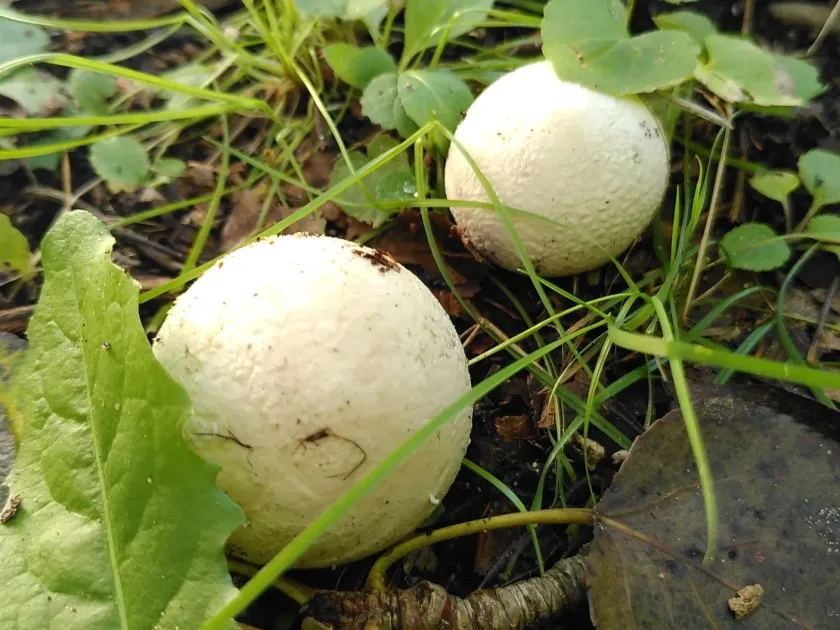
Description
Pathogen
The genus Bovista includes several species of basidiomycete fungi commonly known as puffballs. While they typically act as saprotrophs by breaking down organic matter, in agricultural settings, they can become an indicator of imbalanced soil processes.
The fungus develops a extensive mycelial network within the topsoil layer. This network actively competes with crop root systems for moisture and essential soil nutrients, particularly nitrogen and phosphorus.
Bovista reproduces through spores produced in globose fruiting bodies. When these mature, they release massive quantities of spores that travel across fields via wind or rain splash, colonizing any available organic residue.
These fungi are not primary plant parasites; they do not typically invade living tissue. However, they are opportunistic colonizers of fields that have high amounts of poorly humified organic matter.
Presence of Bovista is often a sign of stagnant conditions in the soil microbiome, where natural degradation processes are hampered by environmental factors like poor aeration or low soil pH.
Conditions for development
Bovista development is highly dependent on high moisture levels and mild temperatures, typically between 15°C and 25°C. Excessive rainfall and high humidity are the primary drivers for rapid fruiting body formation.
The fungus thrives in compacted, poorly aerated soils where organic residues cannot decompose effectively. This provides a steady food source for the mycelium to expand.
Poor tillage practices, such as incorporating fresh straw or manure too shallowly, create an ideal nursery for the fungus to establish itself and grow throughout the growing season.
The fungus is resilient; while it prefers moisture, it can withstand dormant periods in the form of sclerotia or resilient mycelium buried deep within the soil profile, waiting for better conditions.
Slightly acidic soil environments tend to favor Bovista over more neutral or alkaline soils, where microbial competition from beneficial bacteria is generally much stronger.
Why it matters
The primary damage caused by Bovista is resource depletion. By creating dense mycelial mats, it limits the amount of nutrients available to the root zone of the crops, leading to stunted plant growth and chlorosis.
These fungal colonies can physically alter soil structure, creating water-repellent zones that prevent rainfall from reaching the roots, causing crops to wither during short dry spells.
Some studies suggest that the metabolic byproducts released during the expansion of Bovista mycelium may have allelopathic effects, potentially inhibiting seed germination and seedling emergence.
Bovista can also displace beneficial soil organisms, including mycorrhizal fungi, which are essential for optimal nutrient uptake in wheat, corn, and other major row crops.
The economic impact is realized through reduced yields and decreased crop uniformity across the field, as the affected zones usually show clear signs of nutrient stress compared to the rest of the field.
Protection
Deep plowing is the most effective cultural practice for controlling Bovista, as it mechanically destroys the mycelial network and accelerates the decomposition of organic residues through increased aeration.
Applying lime to adjust the soil pH to a neutral range can significantly suppress the growth of these fungi, making the environment more hospitable for beneficial aerobic bacteria.
Integrating biological control agents like Trichoderma species helps outcompete the Bovista mycelium, effectively managing its population through natural antagonism.
Good agricultural practices such as crop rotation and ensuring organic matter is fully composted before incorporation are essential for preventing outbreaks.
- Improve soil aeration through regular cultivation.
- Use balanced fertilization to minimize nutrient stress.
- Avoid burying raw organic matter in wet or cold soil.
Discussion
No discussions yet — be the first.