
Botryotrichum
Botryotrichum
Description
Pathogen
Botryotrichum is a genus of filamentous fungi belonging to the Ascomycota division. These organisms are typically found in the soil and are classified primarily as saprotrophs that decompose organic matter.
While they function mainly as decomposers, certain species within the genus can act as opportunistic plant pathogens, colonizing the roots and basal stems of various agricultural crops.
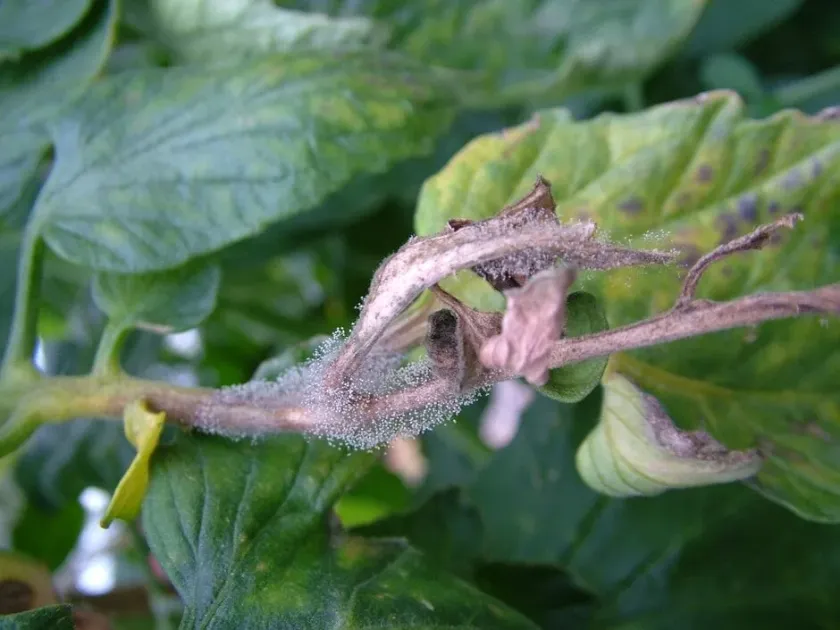
The fungus is characterized by the production of conidiophores with distinct clusters of spores. These structural features allow it to spread rapidly throughout the soil matrix and onto the surfaces of plant tissues.
The biology of Botryotrichum is closely linked to its ability to survive in decaying organic substrates, making it a common inhabitant of agricultural soils rich in crop residues.
Laboratory diagnosis requires microscopic analysis of the conidial morphology, as the genus shares features with several other soil-borne microfungi that are also relevant in plant pathology.
Conditions for development
The proliferation of Botryotrichum is heavily dependent on soil moisture levels and temperature. It thrives in moderately warm environments, typically between 18°C and 25°C.
Poor soil aeration and persistent high humidity provide the ideal conditions for the fungus to transition from a dormant state to active colonisation of plant root systems.
The presence of uncomposted organic amendments, such as fresh manure, acts as a nutrient catalyst, significantly increasing the population density of the fungus in the soil.
This pathogen is known for its high persistence, as it can endure unfavorable environmental conditions by forming hardy spores or mycelial structures in the soil.
Improper soil management, such as the lack of adequate drainage, contributes to the accumulation of the fungus, making fields more susceptible to outbreaks over multiple years.
Why it matters
The primary impact of Botryotrichum is the induction of root and stem rot, which severely compromises the plant's ability to uptake water and essential minerals.
Affected crops often show signs of stunted growth, chlorosis, and wilting, leading to reduced yield and significant quality degradation in both field and greenhouse environments.
In seedling stages, the fungus can cause significant mortality, which directly leads to uneven stand density and necessitates replanting efforts.
Beyond direct tissue damage, the necrosis caused by the fungus creates entry points for secondary pathogens, potentially leading to complex plant disease scenarios.
Economic losses associated with this pathogen are often underestimated, yet it can be a limiting factor in the successful production of vegetable and grain crops in specific regions.
Protection
Implementing a strict crop rotation schedule is the most effective cultural method to disrupt the life cycle of Botryotrichum and reduce soil inoculum levels.
Deep plowing techniques are recommended to bury crop residues, which facilitates their decomposition and reduces the availability of substrates for the fungus.
Biological control agents, particularly fungal antagonists like Trichoderma species, are successfully used to suppress the development of this pathogen in the rhizosphere.
Seed treatments with systemic fungicides are essential for protecting vulnerable germinating seeds from soil-borne infection during the early stages of growth.
Managing soil drainage and preventing waterlogging are critical preventative steps, as they limit the moisture levels required for the rapid growth and sporulation of the fungus.
Discussion
No discussions yet — be the first.