
Botryotinia
Botryotinia
Description
Symptoms
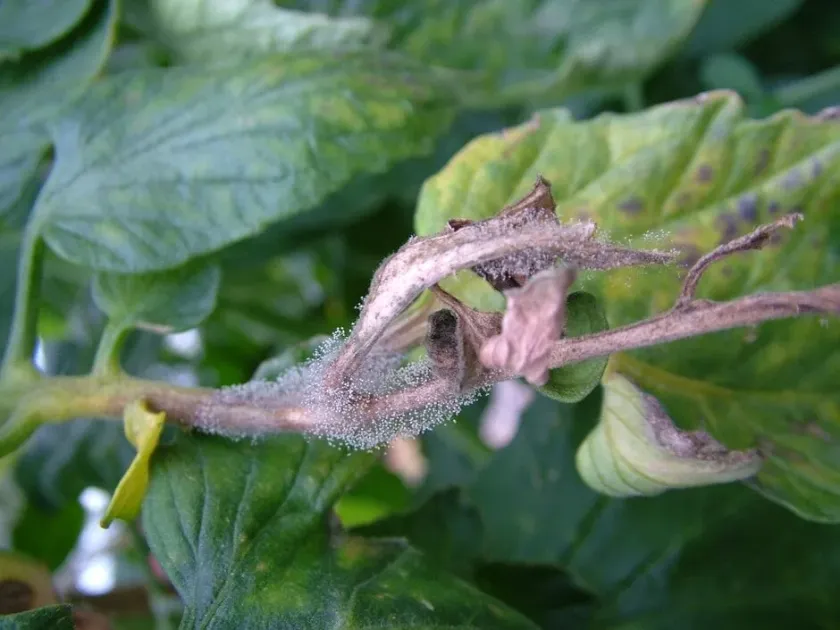
The most iconic symptom is the presence of a fuzzy, gray mold on infected plant parts, which consists of massive amounts of conidiophores and spores.
Infected plant tissues undergo rapid decay, becoming soft and water-soaked. In fruits, this process leads to significant tissue collapse and loss of integrity.
Small, dark, hard structures called sclerotia appear on the surface of decayed parts. These are the dormant stages of the fungus, allowing it to survive extreme conditions.
Stem infections typically manifest as large, brown, necrotic lesions that can girdle the stem, leading to plant wilting and eventual death of the foliage above the infection site.
In flowers, the infection often begins as tiny necrotic spots that expand rapidly, causing blight and premature shedding of blossoms.
Pathogen
The disease is caused by fungi belonging to the Botryotinia genus (anamorphic state Botrytis). These Ascomycetes are known for their ability to form sclerotia, which serve as survival structures in soil or plant debris.
These pathogens are highly polyphagous, meaning they affect a vast array of crops, including fruits, vegetables, and ornamental plants. They can exist as saprotrophs on dead organic matter or as opportunistic parasites on living tissues.
The life cycle involves the formation of conidia, which are wind-dispersed, and apothecia, which release ascospores. This dual-reproduction strategy allows the fungus to spread rapidly under diverse conditions.
The fungus penetrates plant tissue through natural openings, such as stomata, or via wounds caused by weather events or agricultural equipment. Direct penetration of healthy cuticles is also possible under high humidity.
Genetic diversity within the species allows the pathogen to evolve and develop resistance to various fungicides, making integrated pest management essential.
Conditions for development
High relative humidity, typically exceeding 85%, is the primary requirement for the germination of spores and the development of the fungus.
Temperatures ranging from +15 to +22 degrees Celsius create an ideal environment for the rapid colonization of host tissues.
Poor air circulation, often caused by high planting density, prevents the foliage from drying out, creating a stagnant microclimate that encourages infection.
Excessive nitrogen fertilization leads to succulent, lush plant growth that is structurally weak and more prone to fungal colonization.
The presence of free water on leaf or fruit surfaces, whether from rain, dew, or irrigation, acts as a bridge for spores to germinate and enter the plant.
Why it matters
Botryotinia is responsible for devastating economic losses globally, impacting the yield and quality of high-value crops like strawberries, grapes, and tomatoes.
In cases of severe infestation, entire harvests can be lost in a matter of days if environmental conditions remain favorable for the fungus.
Post-harvest losses are significant, as infected produce serves as a center of decay, spreading the disease to healthy fruit during storage and transportation.
Diseased crops require increased expenditure on fungicides and manual labor for weeding and pruning, which directly impacts the profitability of agricultural operations.
The aesthetic damage to ornamental crops renders them unmarketable, leading to substantial financial losses for nurseries and floral producers.
Protection
Cultural practices, including crop rotation and the removal of infected plant debris, are the first line of defense to reduce the inoculum levels in the soil.
Providing optimal spacing between plants and implementing proper pruning techniques significantly improves air circulation and reduces humidity levels in the canopy.
Strategic timing of fungicide applications is crucial, particularly during flowering and fruit ripening stages, when plants are most vulnerable to infection.
Sanitation of tools and storage facilities is essential to prevent the cross-contamination of healthy harvests with dormant fungal structures.
- Use of certified, disease-free planting material.
- Balanced fertilization, favoring potassium over excess nitrogen.
- Drip irrigation to keep foliage dry.
- Harvesting under dry conditions.
Discussion
No discussions yet — be the first.