
Botryohypochnus isabellinus
Botryohypochnus isabellinus
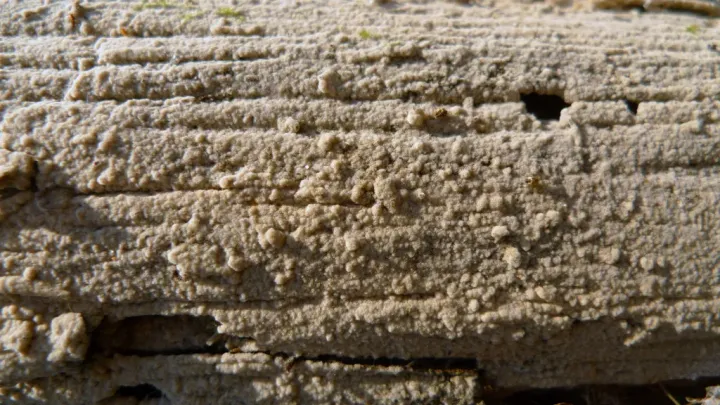
Description
Symptoms
Symptoms of Botryohypochnus isabellinus infection often manifest as crown and root rots. The affected plant tissues show signs of softening and discoloration, frequently turning dark brown.
A key diagnostic feature is the development of a web-like mycelial mat on the stems near the soil surface, which gradually transitions from a whitish appearance to an ochre or yellowish-brown hue.
Infected plants show clear signs of physiological stress, including daytime wilting, leaf chlorosis, and significantly stunted growth compared to healthy neighboring plants.
As the infection progresses, the roots lose their structural integrity and die, leading to the collapse of the plant and poor establishment in the field or nursery environment.
In seedlings, the infection may mimic damping-off symptoms, resulting in rapid tissue decay at the hypocotyl level, leading to significant losses in plant stand density.
Pathogen
The causative agent of this disease is the soil-borne fungus Botryohypochnus isabellinus, a member of the Basidiomycota phylum. It primarily exists as a saprotroph in soil environments, thriving on decomposing organic matter.
Under specific environmental conditions, the fungus exhibits opportunistic pathogenic behavior, infecting the root systems and basal stems of various agricultural and ornamental crops.
The mycelium of this fungus is characteristically colored in shades of yellowish-brown or isabelline, which helps in identifying the fungal presence under humid conditions.
Its biological resilience is bolstered by the ability to form dormant structures, allowing the pathogen to persist in the soil for extended periods in the absence of a living host plant.
Dissemination of the pathogen typically occurs through infested soil, contaminated irrigation water, and the movement of agricultural equipment or infected plant debris across fields.
Conditions for development
The primary driver for the development of this disease is excessive soil moisture and poor drainage. High humidity levels create the necessary environment for the fungal hyphae to colonize plant tissue.
Mild to moderate temperature ranges are optimal for the pathogen's activity, making crops particularly susceptible during cool, wet spring or autumn weather patterns.
Planting density is a crucial management factor; overcrowded crops restrict airflow, keeping the soil surface moist and creating a conducive microclimate for the pathogen.
The presence of un-decomposed organic matter in the topsoil acts as a nutritional reservoir, allowing the fungus to build up a high level of inoculum before attacking living plants.
Imbalanced fertilization, particularly high nitrogen levels, can promote rapid but weak vegetative growth, rendering the plants more vulnerable to successful colonization by the fungus.
Why it matters
The economic impact of Botryohypochnus isabellinus is largely due to its ability to disrupt root functions, preventing efficient water and nutrient uptake by the host plant.
Severe infestations lead to high mortality rates in seedlings, which often necessitates costly replanting and reduces the overall uniformity of the crop.
Since the pathogen can inhabit the soil for years, it severely limits crop rotation options, forcing growers to choose less profitable or more resistant plant varieties for long-term production.
The disease reduces the marketable quality of produce, particularly for root or bulb crops, making them unappealing to consumers and prone to secondary rot during storage.
Frequent occurrences of this disease necessitate increased chemical inputs and labor for sanitation, which complicates integrated pest management strategies on the farm.
Protection
Integrated control starts with strict adherence to crop rotation, ensuring that susceptible species are not grown in the same field for consecutive years.
Improving soil physical properties through better drainage and deep tillage is essential to prevent waterlogging, which is a prerequisite for fungal activity.
Chemical control involving seed treatments and soil fungicides can provide protection during the critical early stages of crop development, provided the products are registered for the specific crop.
Implementing proper spacing and canopy management helps increase ventilation, ensuring that the soil surface dries out quickly and inhibiting mycelial growth.
Post-harvest sanitation, including the removal and destruction of crop residues, is vital to prevent the carry-over of the pathogen inoculum to the following growing season.
Discussion
No discussions yet — be the first.