
Botryodiplodia leaf spot of Pandanus
Botryodiplodia pandani
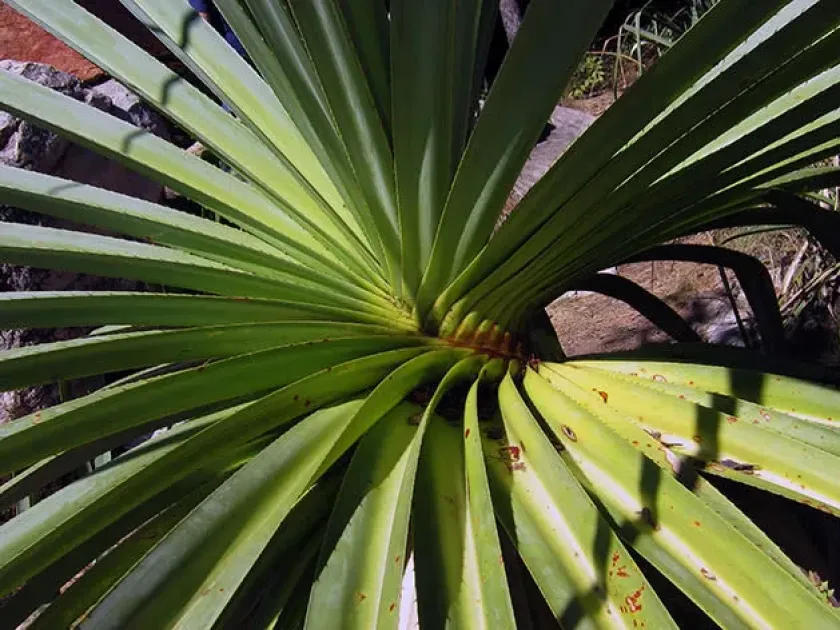
Description
Symptoms
The earliest symptoms manifest as small, irregular brown spots on the leaf surface. As the fungus progresses, these lesions enlarge significantly and develop a distinct zoned appearance, often with a darker necrotic border.
In high humidity environments, the centers of these lesions may display visible black dots, which are the pycnidia of the fungus. This serves as a diagnostic feature to distinguish the disease from abiotic nutrient deficiencies.
Advanced stages of the disease result in extensive leaf yellowing and premature desiccation. When the infection reaches the leaf base or the stem, the plant may experience severe wilting, indicating that the vascular system is compromised.
Leaf tips or entire segments of the Pandanus leaves may turn brittle and necrotic. If the fungus affects the meristematic (growth) tissue, new leaves may appear malformed, stunted, or fail to emerge entirely.
The spread of the disease across the foliage is often rapid, creating large blighted areas. Affected areas become soft and pulpy if environmental conditions favor fungal growth, eventually leading to structural collapse of the leaf.
Pathogen
The causal agent of this disease is the fungus Botryodiplodia pandani (also classified under the genus Lasiodiplodia). This pathogen belongs to the deuteromycetes group and specifically targets various species of the Pandanus genus in tropical and indoor settings.
The fungus produces pycnidia, small black fruiting bodies, which serve as the primary source for conidia production. These spores are disseminated primarily through water splashes, air currents, and human handling during maintenance operations.
Once the spores land on the host tissue, they germinate and penetrate the epidermis through natural openings like stomata or through existing wounds. Inside the leaf tissue, the mycelium secretes enzymes that break down plant cell walls, leading to tissue degradation.
Botryodiplodia pandani is highly opportunistic and can adapt to saprophytic survival on decaying organic matter. This trait allows the pathogen to persist in potting soil or on debris for extended periods, making eradication challenging.
The infection disrupts the internal physiological processes of the plant, primarily the photosynthesis and water transportation systems. As the mycelial colonization deepens, the plant's natural immune system becomes overwhelmed, leading to necrosis.
Conditions for development
Warm and humid environments are the primary drivers for Botryodiplodia pandani outbreaks. The fungus thrives at temperatures between 22°C and 28°C, which are common in indoor growing spaces and greenhouses.
Poor air circulation contributes significantly to the disease, as stagnant air allows moisture to remain on the leaf surface for prolonged periods. Pandanus plants, with their unique leaf arrangement, tend to trap water in leaf axils, providing an ideal microclimate for fungal development.
Over-irrigation and poor drainage increase the humidity around the foliage and weaken the plant's root system. A stressed plant is far more susceptible to infection by this pathogen compared to a robust, healthy specimen.
Mechanical injuries, such as those occurring during repotting or pruning, provide direct entry points for the pathogen. Once a wound is created, the fungus can colonize the inner tissues much faster than it could through the intact cuticle.
Low light intensity can also play a role, as it hinders the plant's natural defense mechanisms. Insufficient light leads to etiolation and thinner cell walls, making the leaves easier for the fungal mycelium to penetrate.
Why it matters
The most immediate harm is the loss of aesthetic value, which is critical for ornamental plants like Pandanus. The disfigurement caused by extensive spotting makes the plant unsightly and unsuitable for decorative use.
The infection significantly impairs the plant's ability to photosynthesize. A reduced canopy of healthy leaves leads to stunted growth, reduced vigor, and a diminished capacity to recover from environmental stress.
If left unmanaged, the fungus can spread to other nearby susceptible plants, leading to a wider infestation in a home or nursery collection. This poses a major risk for plant enthusiasts and professional growers alike.
Severe infestations can lead to total plant collapse and death, especially if the fungus reaches the central stem. Once the vascular tissue is heavily colonized, the plant cannot effectively move water or nutrients.
Management of the disease involves costly interventions, including the application of fungicides, potential quarantine periods, and the loss of entire specimens. Prevention is always more effective than attempting to cure a deeply infected plant.
Protection
Immediate isolation is the first step in managing an outbreak to stop the spread of spores. Carefully prune all affected leaves and destroy the debris, ensuring that tools are sterilized with alcohol or a bleach solution after every cut.
Applying systemic fungicides containing copper or other active ingredients is effective for suppressing the fungus. Regular applications following the product label are necessary to protect new, emerging foliage from colonization.
Cultural control measures are vital: improve ventilation to reduce ambient humidity and ensure that irrigation water is applied to the soil only, avoiding the leaf axils. Providing adequate light will help improve the plant's overall resistance.
Maintaining a clean growing environment is essential. Ensure the potting substrate is well-draining and that the plant is not overcrowded, as this allows air to flow freely around the leaves.
Regular monitoring for early signs of infection allows for swift action before the fungus spreads. Combining good cultural practices with preventative fungicidal treatments is the most reliable way to maintain the health of Pandanus plants.
Discussion
No discussions yet — be the first.