
Botryodiplodia palm blight
Botryodiplodia palmarum
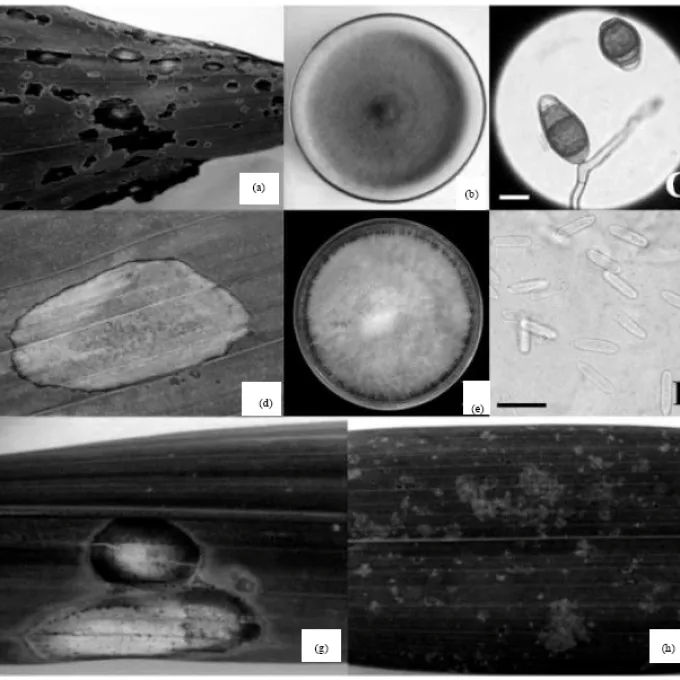
Description
Symptoms
The most recognizable symptom is the progressive wilting and browning of fronds, which usually begins at the bottom of the crown and spreads upward.
Dark, discolored lesions appear on petioles and stems, which may expand over time to form necrotic patches across the plant's surface.
Under humid conditions, the fungus manifests itself through the appearance of small, raised black bumps on the tissue, representing the developing pycnidia.
Internal tissue decay is common, with the vascular system often showing visible browning, indicating that water and nutrient transport are being obstructed.
In advanced stages of infection, the stem may show signs of soft rot or structural collapse, significantly compromising the stability of the entire palm tree.
Pathogen
The disease is caused by the fungus Botryodiplodia palmarum (synonym Lasiodiplodia theobromae), which is a common pathogen in tropical and subtropical regions.
This fungus produces microscopic structures called pycnidia, which serve as the primary source for producing and releasing conidia spores.
These spores are highly mobile and can be spread rapidly via wind currents, rain splash, and contaminated gardening tools used for pruning.
The pathogen functions primarily as a wound parasite, requiring a break in the palm's natural defenses to enter the tissue and begin colonization.
Beyond being a parasite, the fungus thrives as a saprophyte, surviving for extended periods on decaying plant material and organic matter in the soil.
Conditions for development
High relative humidity is the most critical environmental factor that facilitates the germination of fungal spores on palm surfaces.
Warm temperatures, generally ranging between 20°C and 30°C, create the perfect metabolic conditions for the pathogen to thrive and multiply.
Over-irrigation and poor drainage in the container or soil create a stressed environment for the palm, increasing its susceptibility to fungal attacks.
Physical trauma, such as deep pruning wounds, frost damage, or accidental cuts during maintenance, provides a direct entry point for the pathogen.
Stagnant air circulation, especially in greenhouses or nurseries, allows spores to accumulate and promotes the spread from infected to healthy plants.
Why it matters
The disease significantly degrades the aesthetic value of ornamental palm trees, making them unsightly and unsuitable for landscape design.
By damaging the vascular bundles, the fungus severely limits the plant's ability to maintain hydration, leading to crown dieback and stunted growth.
Structural integrity is at risk because the breakdown of internal stem tissues can cause the tree to fail or break under stress or heavy winds.
In commercial nursery settings, this disease can become an epidemic, causing mass loss of seedlings and significant economic distress for growers.
The systemic nature of the infection makes it difficult to manage once the fungus has permeated the trunk, often resulting in total plant mortality.
Protection
Strict sanitation protocols are essential, including the regular removal of dead foliage and the prompt disposal of any plant debris near the palm base.
Sterilizing pruning tools between cuts using alcohol or bleach is vital to prevent the mechanical transmission of spores from infected parts to healthy ones.
Applying copper-based fungicides or systemic chemical treatments can help protect susceptible palms, especially during high-humidity periods.
Optimizing cultural conditions, such as ensuring proper soil drainage and adequate spacing between trees, strengthens the plant's natural defense mechanism.
Regular monitoring for early signs of lesions or discoloration allows for early intervention, which is key to saving the palm from severe damage.
Discussion
No discussions yet — be the first.