
Botryodiplodia dieback
Botryodiplodia hypodermia
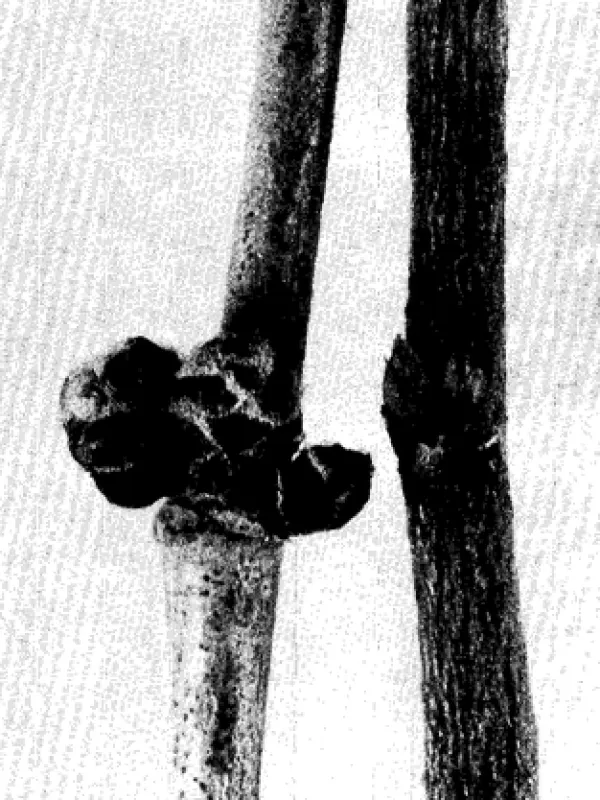
Description
Symptoms
The initial sign of the disease is a localized discoloration of the bark, which turns brown or reddish-brown. These infected areas often appear slightly depressed compared to the healthy bark surrounding them.
Small black bumps, known as pycnidia, appear on the bark surface. These are the fruiting bodies of the fungus and serve as a key diagnostic feature when identifying the presence of Botryodiplodia.
A classic symptom is the dieback of branches, usually starting from the tips of the crown. Leaves on affected branches may wilt, turn yellow, and dry up, but they often remain attached to the branch for some time.
In areas of active infection, the bark may split, leading to the formation of small cankers. In some cases, tree sap or gum may exude from these cracks as the tree attempts to wall off the infection.
The wood beneath the affected bark typically darkens significantly, indicating deep penetration of the fungal mycelium and the destruction of the nutrient-conducting vessels.
Pathogen
The disease is caused by the ascomycete fungus Botryodiplodia hypodermia, which belongs to the Dothideomycetes class. This pathogen is known to cause necrotic lesions and canker diseases in various broadleaf tree species.
The pathogen's life cycle is closely linked to infected plant tissues, where it survives as pycnidia and mycelium. When environmental conditions are favorable, the fungus produces spores that are spread by wind, splashing rain, and insects.
It acts as a facultative parasite, capable of surviving as a saprotroph on dead bark. This biological adaptability allows the fungus to persist in the environment for long periods, waiting for a suitable host.
The fungus typically enters trees through mechanical wounds, such as frost cracks, pruning sites, or damage caused by borers. Unprotected wounds are the most common entry points for the infection.
Once inside, the fungus releases enzymes and toxins that disrupt the plant's vascular system, leading to cell death and the formation of necrotic areas in the bark and cambium layers.
Conditions for development
Botryodiplodia dieback is primarily associated with tree stress. Environmental factors such as prolonged drought, waterlogging, or severe temperature fluctuations weaken the tree and make it more susceptible.
High humidity and moderate temperatures during the spring and summer months stimulate fungal reproduction. These conditions are ideal for the rapid spread of spores throughout a plantation or garden.
Poor horticultural practices, including overcrowding and nutrient deficiencies, create an environment that favors disease. Lack of proper crown aeration increases local humidity, facilitating infection.
Infestations by wood-boring insects often create entry wounds that allow the fungus to bypass the tree's natural bark defenses, leading to deep tissue infection.
Neglected trees with dead or diseased branches serve as permanent reservoirs of infection. Without sanitation, the pathogen remains present, ready to spread during every growing season.
Why it matters
Botryodiplodia dieback poses a major threat to ornamental and fruit-bearing trees, leading to the gradual decline of individual branches and the overall distortion of the tree crown.
The disease causes significant physiological stress, which reduces fruit yield in agricultural settings and diminishes the aesthetic value of trees in parks and residential areas.
Persistent infections weaken the tree's immune system, making it more vulnerable to secondary attacks by other pests and diseases, which may eventually lead to total tree death.
Infected trees act as constant sources of inoculum for neighboring plants, making disease management difficult and increasing the costs associated with repeated fungicide treatments.
On a larger commercial scale, the disease can lead to significant economic losses, as infected wood becomes unusable and the cost of removing dead trees becomes a burden.
Protection
The most important control measure is prompt sanitary pruning. All infected branches must be removed, cutting into healthy tissue, and the debris must be burned immediately to prevent further spread.
All pruning tools must be thoroughly disinfected with alcohol or other effective sanitizing agents after every cut to prevent the transmission of fungal spores to healthy trees.
Large pruning wounds should be sealed with horticultural wound dressings or antiseptic pastes to protect the exposed wood from airborne fungal spores.
Preventative fungicide sprays, particularly those based on copper, applied during dormancy or the growing season, can help manage the spore load in the orchard or garden.
Maintaining high tree vigor through proper fertilization, adequate watering, and effective pest control is essential to increasing the tree's natural resistance to the pathogen.
Discussion
No discussions yet — be the first.