
Botryodiplodia canker of maple
Botryodiplodia acerina
Description
Symptoms
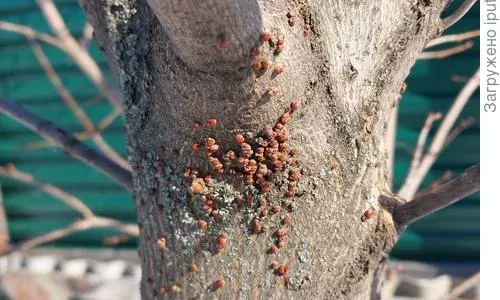
Initial symptoms often appear as localized bark discoloration, turning brown or dark reddish-brown. The affected bark often loses its healthy texture and may become depressed or sunken compared to the surrounding healthy tissue.
As the disease progresses, the bark cracks and fissures, revealing the underlying infected tissues. Small, black, pimple-like pycnidia can be seen on the necrotic surface, especially visible after periods of wet weather.
Dieback of individual branches is a major sign of the disease. Leaves on these infected branches may become chlorotic, wilt, and drop prematurely, which often leads to a sparse or irregular crown structure.
When a canker develops around the entire circumference of a branch or trunk, the portion of the tree above the infection site typically dies suddenly. This is a critical indicator of severe vascular involvement.
- Darkening and cracking of the bark.
- Presence of black, pinhead-sized pycnidia.
- Premature leaf yellowing and shedding.
- Dieback of twigs, branches, or entire tops of trees.
Pathogen
The disease is caused by the imperfect fungus Botryodiplodia acerina, which belongs to the class of deuteromycetes. It acts as a facultative parasite, primarily attacking maple trees that are experiencing environmental or physiological stress.
The fungus produces small, black, erupting fruiting bodies known as pycnidia, which appear on the surface of the bark. These pycnidia are the primary source of spore production and dissemination during the growing season.
The mycelium grows within the bark tissues and cambium layer, eventually penetrating the wood. This infection disrupts the vascular system of the tree, hindering the transport of water and nutrients throughout the plant.
It is classified as a bark necrosis or canker disease. The infection is generally chronic, causing gradual tissue death over an extended period if left unchecked by the tree's natural defenses or human intervention.
While primarily affecting the genus Acer, the fungus is highly adapted to maple tissues, making it a persistent issue in areas where maples are concentrated as landscape or forest trees.
Conditions for development
The primary factor facilitating the infection is the host's weakened physiological state. Trees struggling with drought, soil compaction, salinity, or urban heat islands are significantly more susceptible to Botryodiplodia.
Spore dissemination is largely driven by wind and splashing rainwater. Mechanical wounds, such as those from pruning, storm damage, or insect feeding sites, serve as the primary entry points for the fungus.
Warm temperatures coupled with high humidity provide the perfect environmental conditions for the germination of spores and the subsequent colonization of host tissues by the mycelium.
Dense planting schemes that restrict airflow allow spores to settle easily on neighboring healthy trees, facilitating the spread of the disease throughout a grove or nursery setting.
Seasonal weather patterns, specifically those causing freeze-thaw cycles that result in frost cracks, play a crucial role in providing the pathogen with entry paths into the tree's inner layers.
Why it matters
Botryodiplodia canker significantly degrades the aesthetic value of maples in parks, residential landscapes, and urban environments. A tree with dying branches and thinning foliage loses its visual appeal.
The disease can cause the loss of structural integrity in branches, leading to safety hazards in public areas due to falling dead wood. Eventually, the systemic nature of the infection can lead to the total mortality of the tree.
In nurseries, the pathogen poses a severe risk to young stock, potentially causing significant economic losses by rendering large batches of young maples unsuitable for sale or planting.
Infected trees act as reservoirs for the fungus, perpetuating the cycle of infection within the local area. This increases the burden of management on landowners and forestry professionals.
The presence of the disease also attracts secondary wood-boring insects. These insects exacerbate the health decline of the tree by creating deeper galleries in the wood, effectively accelerating the tree's demise.
Protection
The best defense against this disease is proper tree maintenance. Regular irrigation, mulching to retain soil moisture, and avoiding root damage are essential to keep trees vigorous and resistant to infection.
Sanitation is critical; pruning infected branches well below the margin of visible canker growth is necessary. All pruned materials should be promptly burned or removed from the site to prevent further spore spread.
Chemical control, while supplementary, can be effective. Fungicides, particularly those containing copper or systemic active ingredients, can be used to protect high-value trees during peak infection periods.
Integrated Pest Management (IPM) practices, including the control of boring insects, are vital to preventing the pathogen from entering the tree through insect-created wounds.
Pruning cuts should always be clean and sharp. Sealing large wounds with appropriate materials can prevent the colonization of the exposed wood by opportunistic pathogens during the healing process.
Discussion
No discussions yet — be the first.