
Botryodiplodia
Botryodiplodia
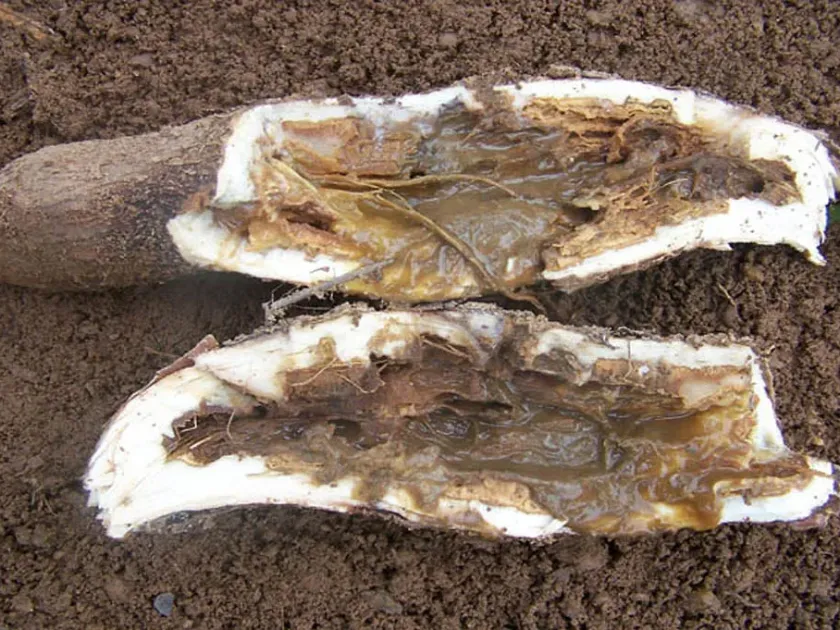
Description
Symptoms
Symptoms often begin as small, discolored areas on the bark, which later expand into sunken, dark-colored lesions that can eventually girdle the entire branch or trunk.
Small, black, pimple-like structures known as pycnidia emerge through the epidermal layer of the bark, providing a key diagnostic feature of the infection.
Affected plants exhibit symptoms of branch dieback, where foliage turns yellow, wilts, and prematurely drops, often starting from the tips and progressing inward.
Infected fruits display signs of rot, appearing dark and wrinkled, while the interior becomes populated by a dense, dry mass of fungal spores and necrotic tissue.
When cutting into an affected branch, one may observe a dark staining of the wood beneath the bark, indicating the deep penetration of the fungal mycelium.
Pathogen
The disease is caused by fungi of the genus Botryodiplodia, which are pycnidial fungi known for causing severe necrosis and dieback in a wide range of woody plants.
The pathogen overwinters as mycelium and pycnidia within infected bark, dead branches, and decaying plant debris, remaining viable in the soil for extended periods.
Dissemination is primarily achieved through conidia, which are splashed by rain or wind-dispersed to fresh wounds, pruning cuts, or natural openings on healthy plants.
The fungus is characterized by its opportunistic nature, rapidly colonizing tissues that have been weakened by environmental stress or physical injuries.
Inside the host, the pathogen produces enzymes that break down cell walls, leading to the destruction of the vascular system and the formation of dark, necrotic lesions.
Conditions for development
Disease development is strongly favored by environmental stress, particularly prolonged drought, which weakens the plant's natural defense mechanisms.
High humidity and frequent rainfall provide the necessary moisture for the germination of conidia and the subsequent colonization of new host tissues.
Mechanical damage caused by hail, frost, or improper pruning practices creates entry points that significantly increase the susceptibility of the plant to infection.
Poor orchard sanitation, specifically the failure to remove dead or diseased branches, allows the fungus to flourish and produce spores throughout the growing season.
Dense planting schemes that restrict air circulation create a microclimate with high humidity, which is highly conducive to the rapid spread of the disease.
Why it matters
Botryodiplodia causes systematic damage that disrupts nutrient and water transport, eventually leading to the death of entire branches or the whole tree.
The disease leads to a significant loss in yield and fruit quality, often rendering the harvest unsuitable for commercial use or long-term storage.
Long-term infections cause general tree decline, making the plants more susceptible to secondary pests and various other opportunistic diseases.
The presence of the pathogen in a plantation poses a risk to neighboring healthy trees, as the fungal spores are easily moved by wind and rain droplets.
Economic impact is severe, resulting from the cost of disease management, the need for surgical removal of affected limbs, and the potential loss of productive trees.
Protection
Strict sanitation is the most effective management strategy, requiring the removal and destruction of all infected plant parts to reduce the overall inoculum load.
All pruning tools must be thoroughly disinfected with appropriate agents between every tree to prevent the mechanical transmission of spores to healthy wood.
Protecting the trunk and main limbs from sunscald and frost cracks using white-wash or protective covers helps minimize potential entry points for the fungus.
Regular applications of copper-based or systemic fungicides during early spring and after harvest can help manage the pathogen in high-risk areas.
Maintaining optimal plant health through proper irrigation and balanced fertilization strengthens the plant, allowing it to better withstand potential fungal infections.
Discussion
No discussions yet — be the first.