
Botryoconiosis
Botryoconis
Description
Symptoms
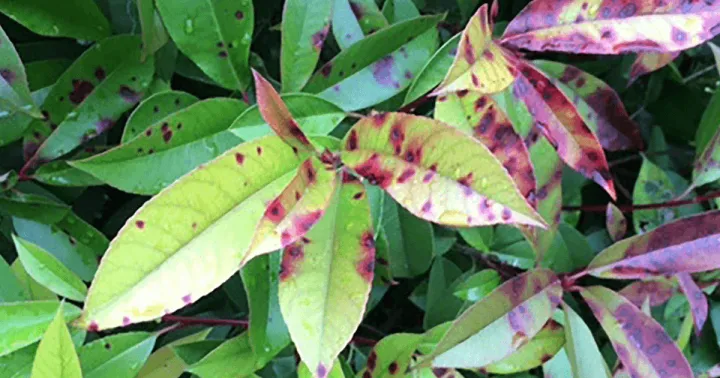
The primary symptom includes the formation of distinct brownish spots on leaves, stems, or fruits. These spots expand over time and may merge, leading to larger areas of tissue death or necrosis.
Under conditions of high humidity, the centers of the necrotic spots often show a fine, powdery growth. This sign represents the active sporulation of the fungus, which is a key diagnostic feature for field identification.
On woody stems, the disease can manifest as cankers or cracks in the bark. These lesions can penetrate deep into the phloem and xylem, weakening the structural integrity of the plant or branch.
Fruit infection typically starts as small, darkened spots that eventually turn into soft, sunken rot areas. This degradation makes the produce unmarketable and highly susceptible to secondary pathogens.
Premature leaf drop is a common consequence of severe infection. As the fungus colonizes the petiole or leaf blade, the plant initiates abscission, reducing the total photosynthetic area and weakening the plant.
Pathogen
The disease is caused by fungi belonging to the Botryoconis genus. These pathogens are classified as deuteromycetes, characterized by the formation of specific structures that enable them to infect host plant tissues effectively.
The fungus colonizes plant tissues by secreting enzymes that degrade cell walls, allowing the mycelium to spread throughout the internal structures. This enzymatic activity is the primary driver of the necrosis observed in infected plants.
Botryoconis can persist for long periods in plant debris, remaining dormant until conditions become favorable. This characteristic makes it a persistent pathogen, especially in fields with poor residue management practices.
Dissemination is facilitated by conidia, which are easily transported by wind currents, rain splashing, or during agricultural operations. The high production rate of these spores ensures rapid colonization of susceptible host species.
The survival mechanism of the pathogen includes the development of resistant structures, which protect the fungus against environmental stress, allowing it to survive through non-growing seasons.
Conditions for development
High relative humidity is the most critical factor for the development and spread of Botryoconiosis. Frequent rainfall, morning dew, and dense fog create the perfect environment for spore germination.
The optimal temperature range for the pathogen's growth typically falls between 18 and 25 degrees Celsius. These conditions are common during the spring and early summer, coinciding with the rapid vegetative growth phase.
Dense planting patterns reduce air circulation, maintaining high moisture levels in the canopy. This poor microclimate ventilation is a major contributor to localized outbreaks of the fungal disease.
Plants suffering from nutrient deficiencies or physical damage are significantly more vulnerable to colonization. A robust plant defense system is the best natural barrier against infection, but it can be easily compromised.
The presence of overwintering inoculum in infected plant debris serves as the primary source for the next season's infections, emphasizing the importance of site sanitation.
Why it matters
The primary economic impact is the loss of crop productivity due to reduced photosynthetic capacity. Infected leaves cannot support the plant, leading to smaller, lower-quality yields.
Fruit damage directly affects marketability, as visible lesions and soft rot render the harvest unacceptable for consumers. This leads to substantial financial losses for agricultural enterprises.
In nurseries, Botryoconiosis is a severe threat as it can lead to the condemnation of plant materials. Infected nursery stock serves as a vector, spreading the disease to new, previously uninfected areas.
Chronic infection in perennials can cause dieback of limbs and branches. This shortens the productive lifespan of the plants, increasing the costs associated with replanting and maintaining the orchard or garden.
The need for repeated fungicide applications to manage the disease increases the overall production costs. This often leads to reduced profit margins for the producer.
Protection
Cultural management starts with thorough sanitation. Collecting and destroying fallen leaves and infected branches significantly reduces the amount of primary inoculum for the next cycle.
The selection of resistant cultivars or hybrids is the most sustainable approach to disease management. Breeding programs continue to prioritize resistance to fungal pathogens to ensure long-term stability.
When necessary, contact and systemic fungicides can be used for disease prevention. Timing the applications to coincide with vulnerable growth stages or high-risk weather is essential for success.
Pruning techniques that open the plant canopy to sunlight and air help keep the surfaces dry, making it difficult for the fungus to establish itself and reproduce.
- Effective management of crop residues;
- Proper plant spacing for ventilation;
- Balanced fertilization to boost plant immunity;
- Regular inspection and removal of symptomatic tissues;
- Disinfecting pruning tools to prevent spread.
Discussion
No discussions yet — be the first.