
Botryobasidium blight
Botryobasidium conspersum
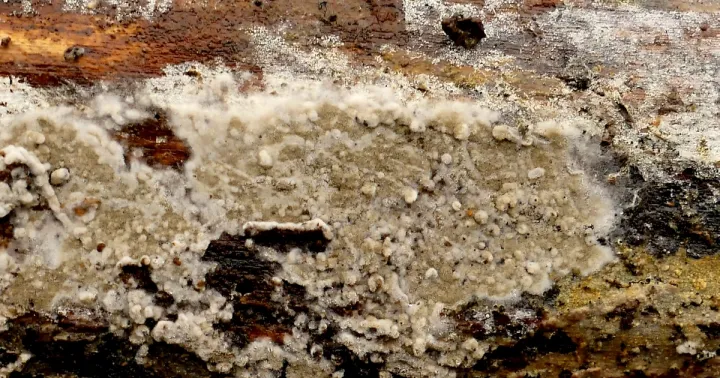
Description
Symptoms
The initial symptoms manifest as a white or grayish mold on the stem base or lower leaves that touch moist soil. Affected tissues rapidly develop a water-soaked appearance and begin to soften.
Leaves on infected plants may turn yellow and lose turgor, leading to wilting even when soil moisture is adequate. This is caused by the disruption of the vascular system within the stem.
Upon closer inspection, fine white hyphae can be observed wrapping around stems, which is a characteristic diagnostic feature. In advanced stages, the infected areas may turn necrotic or brownish.
The root system often exhibits signs of browning and decay, contributing to the overall stunted growth of the plant. If humidity remains high, secondary fungal or bacterial pathogens may accelerate the tissue rot.
In greenhouse conditions, the disease often presents as localized patches of dying plants, indicating where the soil-borne infection is most concentrated.
Pathogen
The causal agent of this disease is the fungus Botryobasidium conspersum, which belongs to the Basidiomycota phylum. It functions both as a saprotroph on organic debris and as a parasite on various plant species.
The pathogen produces a fine, web-like mycelium on the surface of substrates, often appearing as a thin, inconspicuous film. This mycelial network is the primary structure responsible for spreading the infection to healthy tissues.
The fungus produces basidiospores that are easily disseminated by air currents. This allows the pathogen to colonize new areas within a greenhouse or field environment rapidly.
Biologically, the fungus is highly adaptive, thriving in moist environments where it can break down organic matter, which serves as a reservoir for the pathogen during inactive periods.
Unlike specialized pathogens, it often acts as an opportunistic intruder, targeting weakened or stressed plants when environmental conditions become favorable for its growth.
Conditions for development
High humidity and soil moisture are the primary factors driving the development of Botryobasidium blight. Poor drainage or water stagnation in the root zone creates an ideal environment for spore germination.
Overcrowded plantings prevent adequate airflow, causing prolonged periods of wetness on plant surfaces. Proper ventilation in protected growing structures is crucial to inhibit the pathogen.
The optimal temperature range for the fungal activity of Botryobasidium conspersum is between 15°C and 22°C. Fluctuations that cause dew or condensation on stems significantly increase infection risks.
Accumulation of plant debris in the soil provides a constant source of inoculum. Without proper sanitation, the pathogen can persist in the soil for multiple growing seasons.
Physical injuries to the stems, often caused by maintenance tools or pests, provide entry points for the fungus, making stressed plants more susceptible to initial colonization.
Why it matters
The disease is economically damaging as it reduces plant stand density, leading to significant yield losses. Young seedlings are particularly vulnerable and may die quickly after infection.
Mature plants suffer from reduced vigor and lower harvest quality. Fruits or vegetables in contact with infected soil are prone to rapid rot, severely limiting their shelf life and marketability.
By compromising the plant's vascular integrity, the fungus inhibits the uptake of water and nutrients, leading to poor fruit development and irregular maturity of the crop.
The presence of this fungus makes disease management more difficult, as it often requires specialized sanitary practices and can hinder the efficiency of other standard cultivation procedures.
If left unmanaged, the infection can become entrenched in the soil, making it increasingly expensive to maintain productivity on the affected land or within the facility.
Protection
Effective management begins with proper crop rotation and the selection of resistant cultivars. Avoiding over-irrigation and ensuring that the soil surface dries out between waterings is essential.
Implementing strict sanitation practices, including the removal and destruction of crop residues after harvest, significantly lowers the potential for future outbreaks.
The use of biological control agents, particularly beneficial fungi like Trichoderma harzianum, has proven effective in suppressing the pathogen through competitive colonization of the substrate.
In greenhouses, maintaining low relative humidity through ventilation and spacing plants correctly helps mitigate the risk of disease spread.
When necessary, chemical fungicides should be applied based on local regulations, ensuring that treatments target the base of the stems and are applied before the disease becomes widespread.
Discussion
No discussions yet — be the first.