
Bitter bolete
Boletus spretus
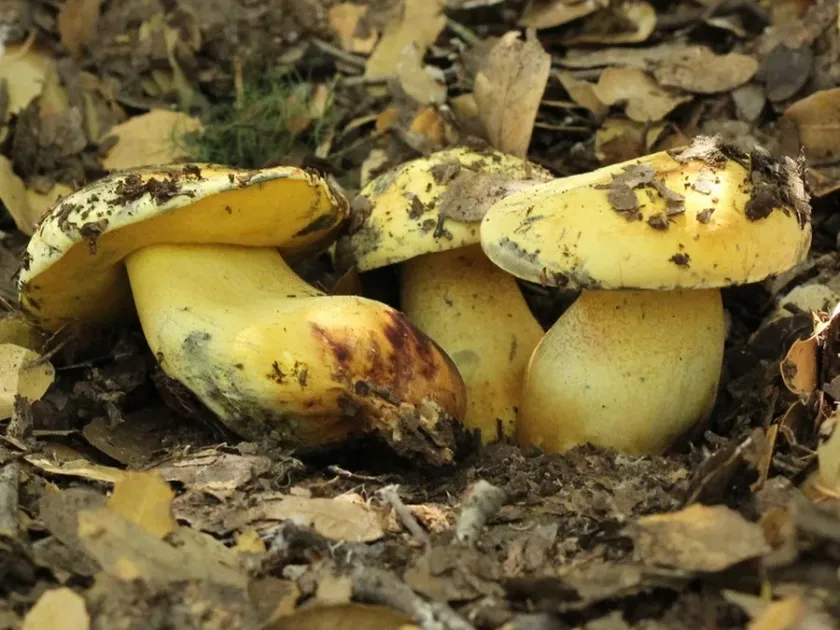
Description
Symptoms
The primary diagnostic sign is the appearance of fruiting bodies with a light brown or greyish-brown cap and a characteristic reticulated pattern on the stem. These bodies emerge from the soil near host trees.
A key identification feature is the reaction of the flesh when cut; it often shows slight color changes. Most importantly, the flesh has an intensely bitter taste, which is a definitive characteristic distinguishing it from many edible species in the same family.
In the root zone, the mycelium forms dense, pale-colored mats or sheaths around the root tips. This structural change can be observed during field examinations and is indicative of a heavily colonized root system.
Areas of active fungal growth often exhibit a modified forest floor, with a network of mycelial threads binding soil particles and organic matter, creating distinct pockets of biological activity that differ from the surrounding area.
- Fruiting bodies with a distinct reticulated stem surface.
- Persistent bitter taste of the fungal flesh.
- Color change of flesh when damaged or cut.
- Deformation of root tips due to mycorrhizal colonization.
Pathogen
The biological agent Boletus spretus is a basidiomycete fungus belonging to the Boletaceae family. In forestry and plant pathology, it is categorized as a mycorrhizal fungus that can interfere with the beneficial symbiotic relationships within the root systems of forest trees.
The interaction is primarily mycorrhizal, yet it is considered undesirable due to its inedible nature and potential to compete with beneficial fungi. Unlike primary pathogens, this fungus does not directly cause wood decay, but its presence signals an imbalance in soil microbiology.
The fungus develops an underground mycelium that colonizes the rhizosphere. During its metabolic activity, it releases substances that can affect nutrient uptake, making it a point of interest for researchers studying the vitality of forest stands.
The life cycle involves the production of fruiting bodies during summer and autumn. Spores are dispersed by wind and insects, colonizing forest floor debris and ensuring the persistence of the fungus within its range.
Genetic adaptability allows this species to thrive in various soil types, providing a competitive edge over other soil fungi when conditions shift toward specific acidity levels or increased organic matter accumulation.
Conditions for development
Boletus spretus thrives under conditions of high soil moisture and moderate temperatures. It favors forest ecosystems with deep, organic-rich soil layers that provide the necessary substrate for initial mycelial growth.
Light levels significantly influence fruit body formation. Open or thinned forest areas with sufficient soil warming show much higher rates of fruiting compared to areas with heavy shade and cooler soil temperatures.
Soil aeration is a critical limiting factor; loose, well-structured forest soils facilitate rapid expansion of the mycelial network, while highly compacted or waterlogged soils tend to suppress its development.
The health status of the host trees is a contributing factor, as stressed or weakened trees are often more susceptible to colonization by aggressive mycorrhizal fungi, which can alter the tree's nutrient absorption efficiency.
Competition with other soil-borne organisms also defines its distribution. The fungus establishes itself more effectively in environments where native microbial communities are disturbed or weakened by external stressors.
Why it matters
The main harm caused by this fungus is the competitive exclusion of more beneficial mycorrhizal partners. This displacement can hinder the growth and nutrient acquisition of young trees, leading to lower survival rates in forest nurseries.
The metabolic byproducts released by the fungus may negatively impact the microbial community in the rhizosphere. This reduces the activity of bacteria responsible for essential processes like nitrogen fixation and organic matter breakdown.
The presence of this fungus is often an indicator of ecological stress or an unnatural balance in the forest floor, which complicates efforts to restore healthy native forests and maintain high-quality timber production.
Economic losses in nurseries occur when trees exhibit stunted growth and weakened immunity due to root colonization. This requires extra resources for nursery maintenance and disease management protocols.
Long-term accumulation of spores in the soil creates a resilient reservoir for reinfection. This makes it difficult to manage the site effectively without long-term interventions or drastic changes in land-use practices.
Protection
Preventative measures center on maintaining optimal silvicultural practices. Regular cleaning of forest floor debris and careful moisture management in nurseries help prevent the environment from favoring this fungus.
Hand-picking and destruction of fruiting bodies before sporulation are vital for limiting the spread of the fungus across a site. This must be carried out consistently during the active growth season.
Biological control using antagonistic organisms, such as Trichoderma species, can create a competitive environment in the soil, preventing the colonization of the roots by unwanted mycorrhizal species.
Chemical intervention should be limited to specific fungicide treatments when necessary, ensuring the selection of products that do not harm the overall soil microbiome or beneficial fungal symbionts.
Monitoring the vitality of tree roots and providing balanced fertilization can bolster tree immunity, making them more resilient to fungal colonization and helping to maintain a stable balance in the forest ecosystem.
Discussion
No discussions yet — be the first.