
Yellow bolete
Boletus junquilleus
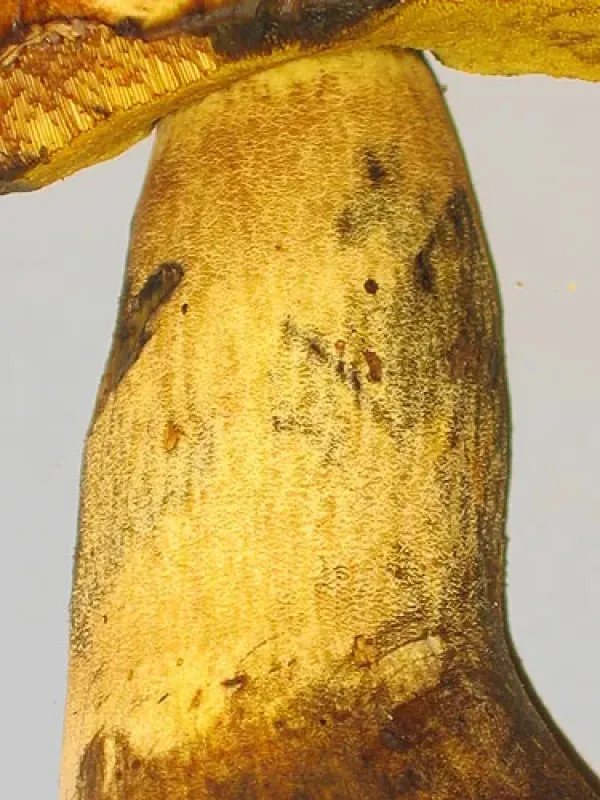
Description
Symptoms
The primary diagnostic sign is the appearance of vibrant yellow fruiting bodies during the late summer months. These mushrooms are physically distinct and easily recognizable by their color.
A key identification feature is the immediate color change of the flesh upon injury. When sliced or bruised, the yellow tissue turns a striking blue, which is a hallmark of this species.
The cap surface is matte and dry, lacking any slimy or viscid coating. This structural detail helps differentiate it from other species that may appear similar in color but have different textures.
There are no symptoms of disease on the host plants. The leaves, bark, and roots show no signs of structural damage or pathogenic growth related to the presence of this fungus.
- Bright yellow cap and pore surface.
- Blue staining flesh when exposed to air.
- Large, robust fruiting body structure.
- Lack of parasitic lesions on associated tree trunks.
Pathogen
Yellow bolete (Latin Boletus junquilleus) is a rare fungal species within the Boletaceae family. It is not a plant pathogen; instead, it is a well-known mycorrhizal fungus that forms symbiotic relationships with trees.
The fungus does not cause diseases such as wilting, root rot, or necrosis. Its presence is indicative of a healthy soil ecosystem rather than a parasitic infestation that threatens plant health.
Biologically, it facilitates the exchange of nutrients between the soil and tree roots. It helps the host trees absorb essential minerals and water, supporting overall forest vitality.
The mycelium resides in the soil, forming dense networks around the root systems of oak or beech trees. This symbiotic link is essential for the survival of the fungus.
For agricultural and forestry management, identifying this species is important to avoid confusing it with destructive wood-decaying fungi or root-rotting pathogens.
Conditions for development
Yellow boletes thrive in acidic soil environments within broadleaf forests. They are particularly sensitive to soil moisture and require steady precipitation during the growing season.
Optimal growth temperatures for the mycelium typically range between 18 and 22 degrees Celsius. Extreme cold or heat will halt the production of fruiting bodies.
The presence of deep leaf litter is essential for the fungus to establish its vegetative network. Without this organic layer, the mycorrhizal stability is compromised.
The fungus prefers well-drained forest soils. Areas prone to waterlogging or anaerobic conditions are generally avoided by this specific bolete species.
It maintains a dormant state during periods of drought, relying on the established symbiotic connection with host trees to survive harsh environmental changes.
Why it matters
There is no economic damage or harm caused by the yellow bolete to agricultural or forestry crops. It is entirely benign in an agricultural context.
As a mutualistic fungus, it enhances the growth potential of trees rather than causing harm. It plays a vital role in nutrient cycling and soil health maintenance.
It is not categorized as a disease-causing agent by any plant protection organization. Its role is strictly ecological, supporting biodiversity within woodland habitats.
In cases where forest management is practiced, the fungus should be protected rather than targeted. There are no known instances of this species negatively impacting production.
Confusion between this species and pathogenic fungi is the only risk, as unwarranted use of fungicides could damage the soil microflora and the mycorrhizal network.
Protection
No control measures are required for the yellow bolete. Applying fungicides or pesticides is unnecessary and counterproductive to maintaining a healthy forest environment.
Prophylaxis focuses on habitat preservation. Protecting the soil structure and avoiding excessive machinery use in forest areas is the best practice for its conservation.
Sustainable forest management practices that avoid clearing leaf litter help preserve the conditions necessary for this fungus to fulfill its symbiotic role.
Since the organism is beneficial to tree health, control efforts should be directed only toward actual pathogens that threaten the stability of the forest stand.
Educating personnel on identifying benign mycorrhizal fungi is the most effective management strategy, ensuring that beneficial species are not mistaken for pests.
Discussion
No discussions yet — be the first.