
Boletopsis grisea
Boletopsis grisea
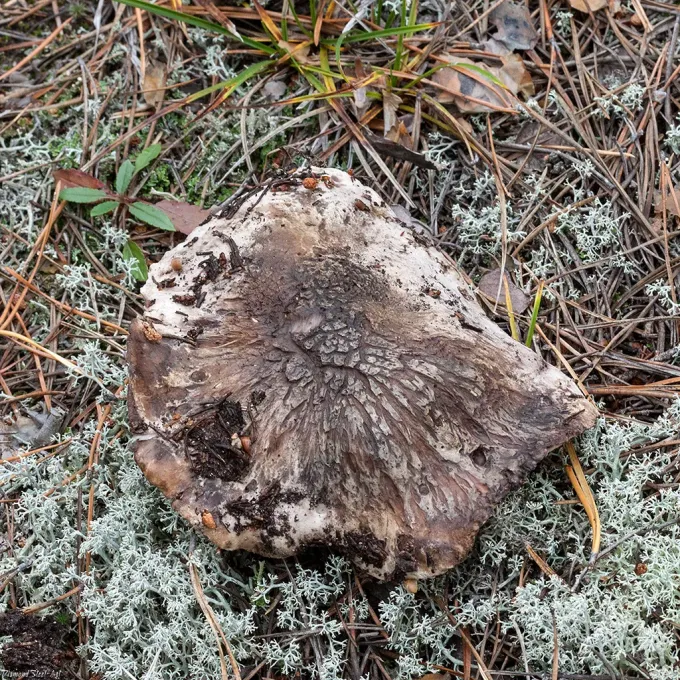
Description
Pathogen
Boletopsis grisea is a mycorrhizal fungus that forms symbiotic relationships with coniferous trees rather than causing plant diseases.
It acts as a beneficial partner to forest trees, helping them absorb nutrients from the soil, which distinguishes it from pathogenic fungi.
The fungus is characterized by its grey, tough, and fleshy cap, often featuring a distinct pore surface on the underside.
As a non-pathogenic species, it does not pose a threat to agricultural crops or ornamental plants in home gardens.
The organism is essential for maintaining the underground nutrient exchange network in healthy conifer forests.
Conditions for development
This fungus thrives in mature coniferous forests, particularly where pine and spruce trees are present in abundance.
Soil composition plays a critical role, as the species prefers acidic soils with thick layers of organic needle litter.
Climate requirements include moderate temperatures and high humidity, which are standard for temperate forest environments.
The presence of stable, undisturbed soil is necessary for the long-term survival of the fungal mycelium network.
Increased soil nitrogen levels from pollutants can negatively impact the delicate balance required for its development.
Discussion
No discussions yet — be the first.