
Description
Symptoms
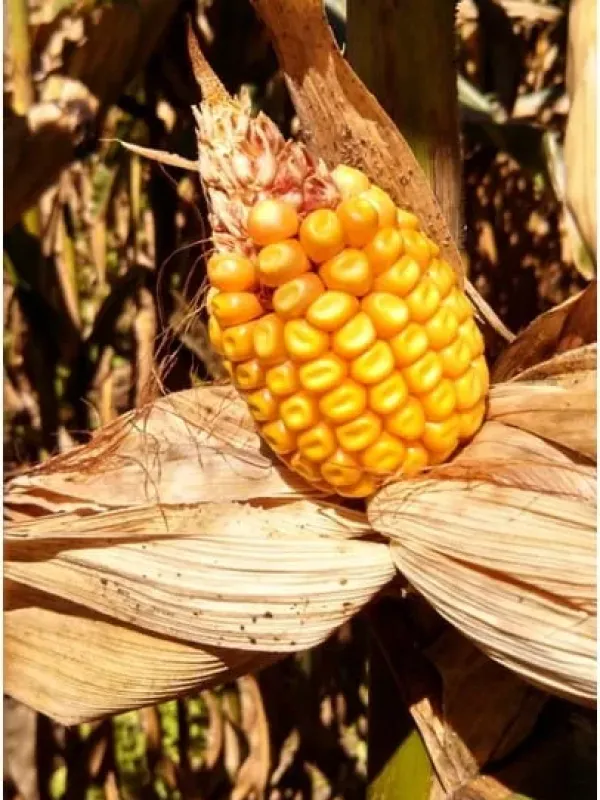
The primary symptom is the failure of the ear to develop properly, resulting in a blunt or truncated tip, or sometimes a complete lack of grain set.
Plants often look perfectly healthy and robust vegetatively, but the ears themselves remain underdeveloped or tightly wrapped in husks without grains.
A closer inspection reveals that the silk often fails to emerge in time or dries out before pollination can occur, leaving the cob cob partially or fully sterile.
Synchrony issues between male pollen shed and female silk receptivity are a classic indicator that the plant has undergone significant heat stress.
In many cases, the cob remains stunted, and only the lower parts of the ear might show any kernel development, leading to a "blunt" appearance.
Pathogen
Blunt ear syndrome (also known as "nubbin ear") is not an infectious disease caused by pathogens, but rather a physiological response of the plant to its environment.
The primary cause of this condition is severe abiotic stress, specifically high-temperature stress combined with moisture deficits during the pollination phase.
In agronomic science, it is classified as a metabolic disorder rather than a pathology caused by fungi, bacteria, or viral agents common in crop production.
The syndrome cannot spread from plant to plant through spores or vectors, but its occurrence is frequently linked to field-wide environmental conditions.
Corn is the most impacted crop, as its reproductive phase is highly sensitive to rapid shifts in atmospheric temperature and water availability.
Conditions for development
Development is usually triggered by temperatures exceeding 32-35°C combined with low relative humidity during the reproductive stages of maize.
Water stress during the silking stage forces the plant to prioritize vegetative survival over the energy-intensive process of grain filling.
High temperatures can desiccate the silks rapidly, preventing pollen grains from germinating and successfully fertilizing the ovules on the cob.
Excessive plant population density further exacerbates the issue by increasing the competition for limited water resources during critical growth stages.
Extended duration of heat waves during the night can also deplete the plant's carbohydrate reserves, further hindering the development of the ear.
Why it matters
The economic impact of blunt ear syndrome is significant, often resulting in severe yield losses due to poor grain fill and reduced weight per cob.
Because the ears fail to produce grains, the total harvestable yield per hectare is drastically reduced, affecting the return on investment for the season.
Harvest operations become less efficient as combine harvesters process empty or stunted biomass that provides no commercial value to the producer.
Depending on the timing of the heat stress, yield loss can range from minimal localized spots to nearly total crop failure across an entire field.
Underdeveloped ears are also prone to opportunistic secondary pathogens, which can lead to ear rot and mycotoxin contamination in surviving kernels.
Protection
Selection of drought-tolerant and heat-tolerant hybrids is the most effective long-term strategy for managing the risk of blunt ear syndrome.
Proper population management is essential to ensure that individual plants have sufficient access to water and nutrients to withstand environmental stress.
Irrigation management is critical; providing adequate water during the pollination window can help maintain plant vigor and silk health during heat waves.
Balanced fertilization, particularly ensuring adequate potassium levels, helps regulate plant water usage and improves tolerance to thermal stress.
Monitoring weather patterns and applying plant growth regulators or anti-stress biostimulants may provide some mitigation against expected heat stress events.
Pathogens and affected parts
Affects crops · 1
Discussion
No discussions yet — be the first.