
Description
Symptoms
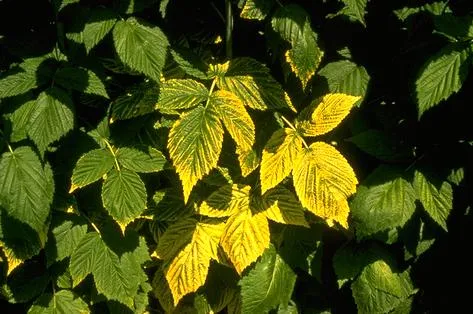
The defining characteristic of blackberry calico is the development of distinct chlorotic spots on the leaves. These patterns, often described as «calico» or mosaic-like, feature bright yellow or cream patches against the green leaf tissue.
Leaf deformation is a common secondary symptom. Infected leaves may appear curled, puckered, or crinkled, indicating a severe disruption of the plant's ability to undergo normal photosynthesis and nutrient uptake.
Stunted growth is frequently observed in infected plants. Canes often become thin, weak, and may fail to reach their full potential height, resulting in a sparse and unhealthy-looking plant structure.
Floral development is often negatively affected, leading to reduced flowering, deformed flower buds, or poor fruit set. This direct impact on the reproductive organs causes significant yield loss for growers.
Symptoms are often most visible during periods of active growth in late spring or summer. As temperatures rise, the mosaic patterns may become more pronounced, providing a clear visual cue for scouting and sanitation measures.
Pathogen
Blackberry calico is a viral disease primarily affecting plants in the Rubus genus, including blackberries and red raspberries. It is a systemic infection that colonizes the plant's vascular tissues and impairs its physiological processes.
The pathogen spreads through various vectors, including insects such as aphids and leafhoppers, as well as soil-dwelling nematodes. Mechanical transmission through infected pruning tools is another critical pathway for the virus to enter new tissues.
Since the virus is systemic, it persists throughout the entire lifespan of the plant. Once a plant is infected, the pathogen is present in all its parts, including the root system, making it impossible to cure using conventional agricultural chemicals.
The virus is often spread inadvertently through the propagation of infected root cuttings or canes. This makes the selection of virus-free nursery stock the most important step in establishing a healthy orchard.
Biological studies indicate that the virus may remain latent for extended periods. Environmental stress factors often trigger the expression of symptoms, which complicates early diagnosis in the field.
Conditions for development
Moisture availability plays a crucial role in the development and spread of the disease, particularly in the soil. High soil moisture levels favor the activity of nematodes, which serve as essential vectors for the virus.
Warm temperatures accelerate plant metabolism, which often leads to the faster systemic spread of the virus within the plant. This environmental factor is usually linked to the timing of symptom emergence.
Poor sanitation practices during harvest or routine maintenance are major contributors to the spread of the pathogen. Using dirty equipment creates a direct route for the virus to move from an infected plant to a healthy one.
Nutrient stress can exacerbate the impact of the infection. Plants growing in soil with suboptimal micronutrient levels are less capable of mounting a defense against the virus and show more severe symptoms of decline.
The presence of perennial weeds in the plantation serves as a reservoir for the virus. These weeds can host both the virus and the vectors, ensuring that the disease remains present even if the primary crop is managed well.
Why it matters
The economic impact of blackberry calico is severe because it leads to a progressive decline in plant health. Eventually, the infected plants become unproductive and must be removed from the plantation entirely.
Fruit quality is significantly degraded. Berries from infected plants are typically smaller, flavorless, and aesthetically unappealing, making them unsuitable for commercial sales or fresh markets.
The persistence of the virus necessitates long-term management strategies. If left unchecked, the disease can spread throughout an entire patch, forcing the grower to abandon the site and start over elsewhere.
Infected plants show reduced winter hardiness. Even in mild climates, the systemic nature of the disease weakens the plant's physiological reserves, making it more susceptible to environmental damage and cold weather.
The reduction in overall plant vigor results in a cumulative loss of yield that worsens with each passing season, making the management of infected patches economically unviable for commercial growers.
Protection
The primary control strategy is the use of certified virus-free planting material. Growers should only source plants from reputable nurseries that employ laboratory-based indexing to ensure stock health.
Rigorous field sanitation is essential. All plants showing symptoms of calico should be promptly rogue out (removed) and destroyed, preferably by burning, to eliminate the source of infection.
Integrated pest management (IPM) focusing on the control of aphids, leafhoppers, and nematodes is vital. Controlling these vectors drastically reduces the probability of the virus spreading between plants.
Strict tool disinfection protocols must be followed. Sanitizing pruners and other tools with appropriate alcohol or bleach solutions between each plant is the most effective way to prevent mechanical transmission.
- Regular scouting and monitoring for symptom development.
- Selecting resistant or tolerant cultivars when available.
- Eliminating weed host reservoirs within and around the field.
- Maintaining adequate spatial isolation from older, potentially infected plantings.
Pathogens and affected parts
Affects crops · 1
Discussion
No discussions yet — be the first.