
Smoky bracket
Bjerkandera fumosa
Description
Symptoms
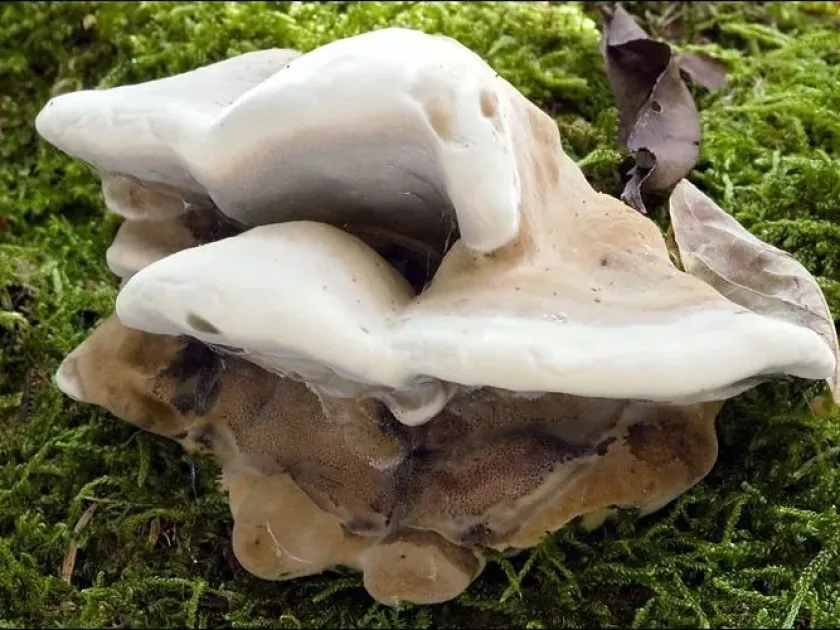
Visible signs of infection usually appear as the presence of bracket-shaped fruiting bodies at the base of the tree or on major roots. These fruiting bodies often have a smoky-grey or light brown upper surface.
The pore surface on the underside is typically greyish, turning darker when bruised or with age. This distinct coloration is a key diagnostic feature for distinguishing it from other similar bracket fungi.
Internal symptoms involve the transformation of hard wood into soft, spongy white rot. Often, black zone lines can be found within the decayed tissue, which are areas where the fungus has walled off segments of its colony.
Trees affected by this pathogen often show signs of crown dieback or foliage discoloration. The growth rate decreases significantly as the root system and vascular tissues are gradually destroyed by the fungal mycelium.
A major indicator of advanced decay is reduced stability. The tree may appear healthy from a distance, but the internal structural failure in the roots often leads to sudden windthrow, even during minor storms.
Pathogen
The smoky bracket fungus, Bjerkandera fumosa, is a wood-decaying basidiomycete belonging to the family Fomitopsidaceae. It acts as both a saprotroph, decomposing dead wood, and a facultative parasite that attacks living but stressed trees.
This pathogen is responsible for white rot, a process in which the fungus secretes specialized enzymes to break down lignin and cellulose within the wood cells. This enzymatic activity leaves the wood soft, pale, and fibrous.
The fruiting bodies of B. fumosa are typically annual, appearing as overlapping or effused-reflexed brackets with a distinct smoky-grey or brownish color. They develop at the base of trunks or on roots, releasing millions of spores into the air.
Biology of the species is highly adapted to colonizing various hardwoods. It thrives by entering the host through wounds, broken branches, or root damage, gradually consuming the heartwood and sapwood of the tree.
Unlike some other bracket fungi, this species is noted for its rapid colonization rate under favorable environmental conditions. It forms dense mycelial mats that can persist within the host for several years until the tree structural integrity is fully compromised.
Conditions for development
The development of Bjerkandera fumosa is favored by high humidity and moderate temperatures. It is frequently found in dense forest stands or poorly managed parks where moisture remains trapped near the trunk and soil surface.
Mechanical damage is the primary facilitator for infection. Any wound, whether from lawn equipment, pruning cuts, or animal gnawing, provides an entry point for spores to germinate and invade the host tissues.
A buildup of dead organic matter, such as old stumps and woody debris, creates an infectious reservoir in the vicinity. The fungus spreads easily from these sources to nearby living trees through wind-borne spores or direct root contact.
Environmental stress plays a significant role in susceptibility. Trees subjected to drought, soil compaction, or poor nutrient availability exhibit lower natural resistance, making them easier targets for the fungal colonization.
Optimal conditions for growth usually occur during late summer and autumn when moisture levels are sufficient for the development of fruiting bodies. During these periods, the pathogen releases the highest volume of infectious spores.
Why it matters
The primary danger posed by this fungus is the rapid degradation of internal wood structures. This decay leads to severe loss of structural integrity, turning valuable trees into hazardous objects prone to sudden collapse.
It can infect a wide range of broadleaved species, including poplars, maples, and oaks. In urban and park landscapes, it necessitates the removal of infected trees to ensure public safety, which can be an expensive process.
The loss of root function resulting from the infection disrupts the water and nutrient uptake of the tree. This starvation process ultimately results in the death of the tree, usually occurring over a span of several years.
The presence of the fungus creates a chronic infection source in the area. If not controlled, it will inevitably spread to neighboring healthy trees, gradually thinning the canopy and reducing the biodiversity of the ecosystem.
For orchards and plantations, the economic impact is substantial due to the loss of productive trees. The site often remains contaminated with the pathogen for several years after the removal of the primary host.
Protection
The most effective management strategy involves proactive sanitation. All infected stumps and woody debris should be removed from the site to minimize the buildup of the fungal inoculum.
Proper wound management is essential. Any significant wounds must be protected with suitable arboricultural dressings to prevent spore entry. Pruning should be performed at the correct time to encourage rapid healing.
Regular tree inspection is vital to identify early signs of bracket formation. If detected early on branches or minor stems, the infected part can be pruned back to healthy wood, potentially saving the tree.
Maintaining tree vitality through appropriate irrigation, mulching, and fertilization increases the tree ability to wall off fungal decay. Avoiding soil compaction around the root zone further supports the health of the tree.
- Remove and destroy all fruiting bodies and decayed wood.
- Disinfect pruning tools between trees to prevent spore transfer.
- Improve soil aeration and ensure adequate tree nutrition.
- Monitor high-risk trees annually for signs of internal rot.
Discussion
No discussions yet — be the first.