
Bjerkandera
Bjerkandera
Description
Symptoms
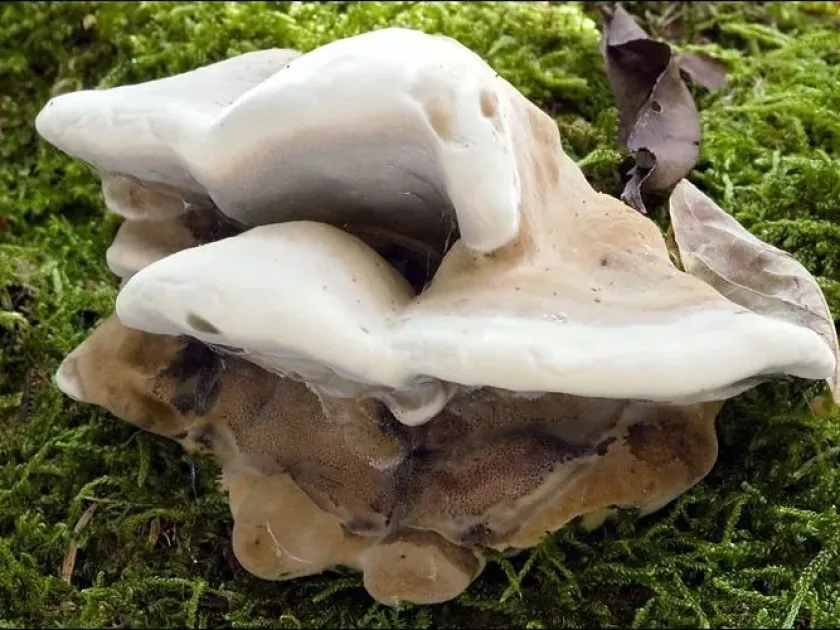
The most visible sign of infection is the development of fruit bodies on the trunk or stumps. These brackets typically grow in overlapping, shelf-like clusters.
The upper surface of the fruit body is usually grey or brownish, while the hymenium (the pore surface) is characterized by a distinctive dark, smoky-black color.
Inside the host plant, the wood becomes bleached and light-colored due to the degradation of lignin. The internal structure becomes soft, fibrous, and loses its mechanical strength.
- Black zone lines within the decayed wood tissue.
- Cracking and deformation of the bark surface.
- Premature leaf drop and dieback of individual branches.
In advanced stages, the tree becomes structurally unsound, significantly increasing the risk of windthrow or breakage during storms or heavy snowfall.
Pathogen
Bjerkandera is a genus of fungi belonging to the division Basidiomycota. The most common species, Bjerkandera adusta (smoky bracket), is a saprotrophic fungus known for causing significant wood decay.
This fungus acts primarily as a saprotroph, decomposing dead wood, but it can also behave as a facultative parasite, attacking weakened or stressed living trees.
The pathogen causes a type of wood decay known as white rot. It produces extracellular enzymes that efficiently break down lignin and cellulose, the structural components of wood tissues.
Reproduction occurs via basidiospores that are dispersed by wind currents. These spores settle on damaged areas of bark, germinating and initiating the colonization of the wood.
While playing an ecological role in nutrient cycling in forests, this fungus is often considered a destructive pathogen in orchard and urban arboriculture environments.
Conditions for development
High humidity and moisture are the primary environmental factors that promote the growth and spread of Bjerkandera in any ecosystem.
The optimal temperature range for the mycelium growth is between +15°C and +25°C. However, the fungus is highly adaptable and can survive in various climates.
Mechanical damage caused by pruning, frost cracks, or sunscald creates easy entry points for the fungal spores to penetrate the tree's defensive layers.
Trees already compromised by pests, nutrient deficiencies, or drought stress are significantly more susceptible to colonization than healthy, well-maintained specimens.
Poor aeration in dense plantings creates a microclimate with stagnant air and high humidity, which accelerates the development of the fungal colonies.
Why it matters
The primary harm is the structural compromise of the tree, often leading to its death and the potential hazard of collapsing onto nearby structures or paths.
In timber management, the fungus degrades the wood quality, making it useless for construction or furniture production due to the loss of density and integrity.
The economic impact involves the costs associated with the removal of hazardous trees and the loss of long-term production in infected orchard areas.
The fungus acts as a secondary stressor, making the tree more prone to further attacks by wood-boring insects and other opportunistic pathogens.
Since the decay process is often internal and hidden, significant damage can occur before the fruit bodies appear on the surface, leaving little time for treatment.
Protection
The most effective strategy is rigorous sanitation: infected wood and stumps must be removed from the site and destroyed to prevent further spore production.
Pruning should be performed using clean tools, and all fresh cuts must be treated with appropriate fungicides or protective wound paints to prevent fungal entry.
Maintaining tree vitality through consistent watering, proper fertilization, and effective pest management helps the host resist the initial fungal infection.
- Regular inspections of trunks for bracket fungi growth.
- Removal of dead wood and debris from the orchard floor.
- Whitewashing trunks to protect against sunscald and bark injury.
In cases of severe infection, early detection and removal of affected limbs can sometimes prevent the pathogen from reaching the main trunk.
Discussion
No discussions yet — be the first.