
Bertiaceae
Bertiaceae
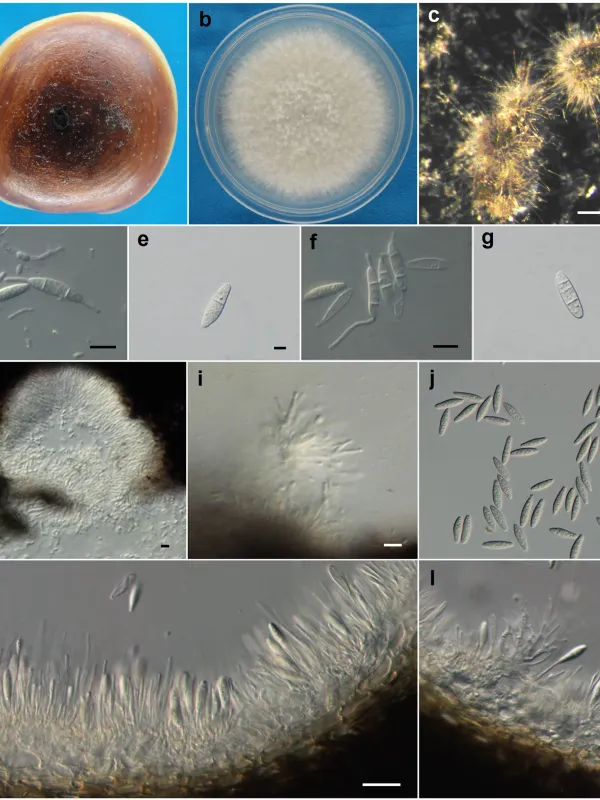
Description
Symptoms
Visual symptoms of Bertiaceae infection often include localized tissue death, or necrosis, appearing as dark spots on stems or branches. Over time, these areas may become brittle and show signs of drying out.
A tell-tale sign of infection is the presence of tiny, black perithecia emerging through the bark. Upon close inspection, the bark in affected zones often cracks, becomes rough, and may start to peel away from the wood beneath.
The infection is frequently accompanied by gummosis—a sticky sap exudate resulting from the plant's defense response. This leakage disrupts normal sap flow, causing the wilting and eventual dieback of the affected branches.
Leaves on infected branches often display symptoms of chlorosis or premature wilting due to the restricted nutrient and water supply caused by the pathogen's interference with the vascular system.
During the dormant season, infected areas become more prominent as they fail to resist cold temperatures and turn black. Branches compromised by the fungus are prone to breakage during high winds, indicating structural decay.
Pathogen
Bertiaceae is a family of fungi belonging to the order Sordariales. These are primarily ascomycete fungi that exist mainly as saprotrophs, but certain species are capable of acting as facultative parasites on weakened woody plants and shrubs.
The pathogens are identified by the formation of perithecia — microscopic fruiting bodies that embed into the substrate or grow on the surface. These structures house the asci, which contain spores responsible for the propagation and dispersal of the fungus.
The life cycle of these fungi is closely tied to the decomposition of plant debris, which allows them to persist in the soil and on fallen leaves for extended periods. This biological adaptation makes them resilient to varying environmental conditions.
From an agronomic perspective, Bertiaceae are opportunistic pathogens. They typically target plants undergoing physiological stress, taking advantage of weakened defenses to colonize tissues and deplete the host's nutritional reserves.
The fungal mycelium penetrates deeply into the bark and cambium, utilizing enzyme secretion to break down cell walls. This invasion disrupts the plant's structural integrity and physiological balance, allowing the fungus to establish a long-term presence within the host.
Conditions for development
High humidity and moisture levels are the primary drivers of Bertiaceae development. Frequent rainfall, persistent fog, and dew create the perfect surface conditions for spore germination and successful colonization.
Temperatures ranging from 15 to 25 degrees Celsius are optimal for the growth of the mycelium. During these mild periods, the fungus is most aggressive and can quickly spread across vulnerable sections of a plant.
Poor aeration in dense plantings creates stagnant microclimates that retain moisture, favoring fungal growth. Lack of sunlight also stresses the plant, reducing its innate immunity and making it more susceptible to infection.
Mechanical injuries serve as entry points for the pathogen. Wounds from pruning, pest activity, or environmental factors like hail or frost provide the necessary opening for spores to infect the plant's internal tissues.
The presence of dead or dying branches left within the canopy or on the ground provides a continuous reservoir of inoculum. If these aren't removed, the fungus remains active and ready to strike again the following season.
Why it matters
The primary damage caused by Bertiaceae is the loss of productivity due to the dieback of fruit-bearing branches. In industrial orchards, this results in significant yield reduction and lower fruit quality.
Persistent infection weakens the plant's overall system, leaving it vulnerable to secondary pests and additional diseases. This leads to a gradual decline in plant vigor, eventually necessitating the removal of the specimen.
In ornamental landscaping, Bertiaceae infections ruin the aesthetic appeal of trees and shrubs, causing sparse foliage and deformed crowns, which undermines the value of the landscape design.
The risk of spread via infected nursery stock is a significant industry concern. Trading contaminated plants inadvertently facilitates the introduction of the pathogen to new, healthy growing environments.
Economic losses arise not only from reduced harvests but also from the high costs associated with rigorous sanitary management, fungicide application, and the necessary removal of deadwood.
Protection
Sanitary pruning is the cornerstone of management. Any branches displaying signs of necrosis or fungal growth must be promptly removed and incinerated to prevent the dispersal of spores.
Tool disinfection is critical. Pruning shears and saws must be sanitized after working on every plant to prevent the mechanical transfer of the fungus from infected to healthy material.
Preventive fungicide treatments, particularly those based on copper, can help protect plants during high-risk periods. Applications are most effective when performed before active growth or after pruning.
Maintaining optimal plant health through balanced fertilization and proper irrigation is essential. A robust, well-nourished plant is far better equipped to resist infection by opportunistic pathogens.
Regular monitoring of the garden throughout the growing season allows for early detection of symptoms. By acting quickly to address small infection sites, you can maintain orchard health and avoid costly major interventions.
Discussion
No discussions yet — be the first.