
Bauhinia
Bauhinus
Description
Symptoms
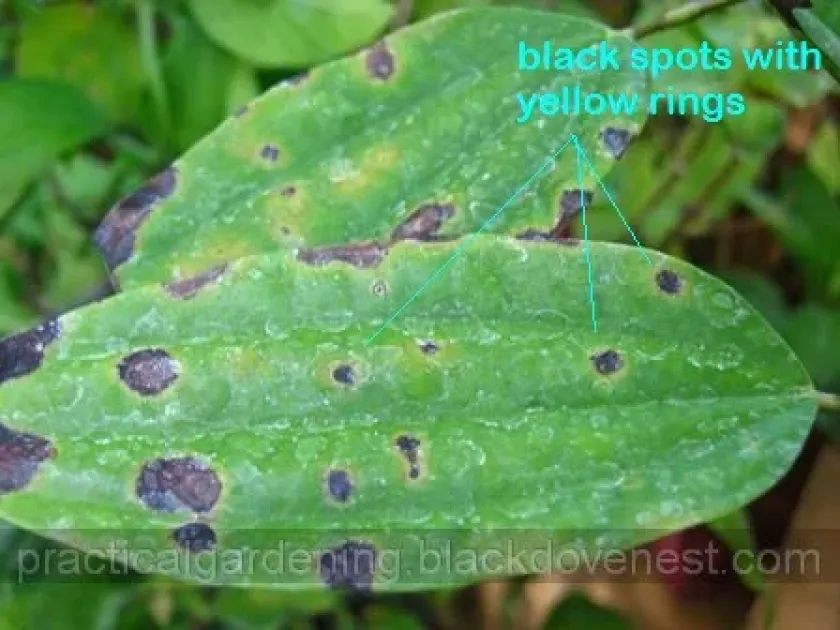
The primary symptom of a fungal infection is the development of irregular spots on the foliage, often ranging in color from tan to dark brown or black. These lesions may exhibit a distinct yellow halo, indicating the plant's physiological stress response.
In advanced stages, the infected leaves may become brittle, curl, and drop prematurely. Furthermore, cankers or necrotic areas can develop on branches, potentially leading to localized dieback or disruption of nutrient flow.
Pathogen
Bauhinia, commonly known as the orchid tree, is susceptible to various fungal pathogens including species of Colletotrichum, Cercospora, and Phyllosticta. These organisms typically infect the plant through wounds or natural openings in the leaves.
Once inside the plant tissue, the pathogen begins to colonize, breaking down cells and utilizing nutrients for its growth. The cycle of infection is sustained by the production of spores that are easily disseminated by wind and splashing water.
Conditions for development
High humidity and prolonged periods of rainfall are critical factors that accelerate the spread of disease within the canopy. Poor airflow, caused by crowded planting or lack of proper pruning, allows moisture to remain on the leaves for extended periods.
Warm temperatures, generally between 20°C and 28°C, facilitate the optimal germination of fungal spores. Additionally, plants experiencing nutrient deficiencies or water stress are significantly more vulnerable to pathogen attacks.
Why it matters
The aesthetic damage caused by these pathogens is significant, as leaf defoliation ruins the ornamental appeal of the orchid tree. Reduced photosynthetic capacity inhibits the plant's growth rate and hinders the development of its iconic flowers.
Persistent infections can lead to the systemic weakening of the tree, making it susceptible to secondary infestations and environmental stressors. Without management, severe cases may compromise the structural integrity of young branches.
Protection
Effective management begins with strict sanitation practices, including the regular removal and destruction of fallen leaves and infected branches. Ensuring adequate spacing between plants is crucial for improving air circulation and reducing the frequency of infection.
Fungicide treatments, particularly those containing copper or systemic active ingredients, can be used to control outbreaks. Preventive measures should focus on maintaining overall tree vigor through appropriate fertilization and avoiding overhead irrigation.
Discussion
No discussions yet — be the first.