
Description
Symptoms
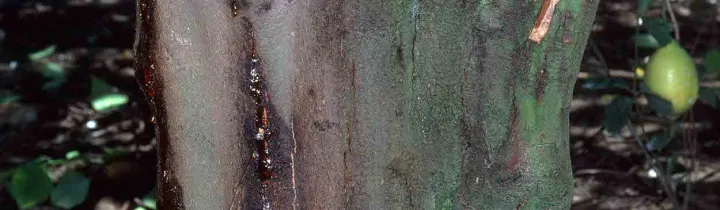
The primary symptom involves the appearance of vertical or irregular fissures on the bark of the trunk and main scaffold branches of citrus trees.
In the affected areas, one may notice the exudation of gum — a sticky amber-colored substance that signals deep physiological distress or infection.
The bark around the cracks may peel away, exposing the cambium layer, which creates an entry point for secondary fungal or bacterial pathogens.
Initial stages are often characterized by a lack of vigor, chlorotic foliage, and a significant reduction in the growth of new shoots.
If left unaddressed, the cracking spreads, leading to the dieback of major branches or the total collapse of the entire tree structure.
Pathogen
Bark cracking is frequently a non-infectious physiological condition caused by water stress and extreme temperature fluctuations.
However, open wounds serve as primary sites for infection by Phytophthora species, which are known to cause severe gummosis.
In some cases, specific viruses, such as the citrus psorosis virus, can cause bark scaling and cracking, damaging the tree's vascular system.
The condition is classified as a systemic failure of the vascular tissues, impeding the normal transport of water and nutrients within the tree.
Bacterial pathogens may also colonize the cracks, further damaging the tree and complicating the overall recovery process.
Conditions for development
Sudden diurnal temperature changes cause the trunk tissues to expand and contract unevenly, leading to mechanical bark splitting.
Improper irrigation management, particularly alternating between drought and excessive watering, puts extreme pressure on the bark tissues.
Over-fertilization with nitrogen induces rapid growth that the bark cannot accommodate, leading to physical rupturing as the tree expands.
Sunscald, resulting from the lack of protective trunk whitewash, causes localized tissue death and subsequent longitudinal cracking.
Poor soil drainage and waterlogging weaken the root system, which indirectly manifests as bark health problems and trunk splitting.
Why it matters
The most significant danger is the disruption of the vascular system, which prevents essential nutrients from reaching the canopy and fruits.
Cracks significantly reduce the tree’s cold hardiness, making it highly susceptible to freezing temperatures and winter winds.
The tree experiences a drastic decline in fruit yield and quality, often resulting in small, stunted, or poor-tasting harvests.
Affected trees serve as reservoirs for diseases, increasing the risk of spreading pathogens to neighboring healthy citrus plants.
Ultimately, without intervention, the cumulative effect of tissue damage and secondary infections leads to the tree's eventual decline and death.
Protection
Regularly apply white latex paint or whitewash to the trunks to protect them from sunscald and discourage pest infestation.
Maintain consistent soil moisture levels through a structured irrigation program to avoid sudden internal pressure shifts within the tree.
If cracks appear, carefully debride the damaged area down to healthy tissue, disinfect with a fungicide, and seal it with tree wound dressing.
Balance mineral nutrition by emphasizing potassium and phosphorus, which improve wood density and resilience against seasonal stress.
Remove and destroy severely affected trees if a viral infection is confirmed to prevent the spread of the disease to other citrus crops.
Pathogens and affected parts
Affects crops · 1
Discussion
No discussions yet — be the first.