
Baltazaria galactina
Baltazaria galactina
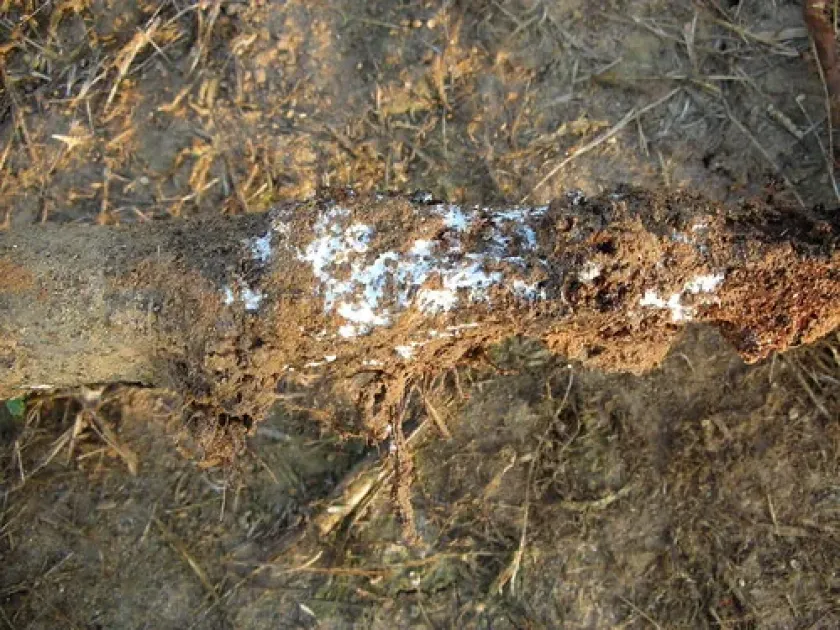
Description
Symptoms
The first signs of infection are the appearance of whitish spots on lower leaves, which eventually take on a distinctive galactic hue. These spots grow rapidly in size and eventually merge, covering large areas of the foliage.
In the later stages, leaf deformation and premature shedding occur, indicating systemic spread of the fungus within the stem. The plant begins to show stunted growth and a significant loss of vigor or productivity.
A careful inspection of the affected areas reveals a thin, powdery coating, which is actually a cluster of fungal spores. In high humidity, this coating becomes denser and more visible, facilitating further spread.
When severely affected, the root collar darkens, leading to the gradual wilting of the entire plant despite adequate soil moisture. This is caused by the clogging of vascular bundles by fungal metabolites.
- Yellowing of the leaf margins.
- White powdery growth on stems.
- Curling of young apical leaves.
- General metabolic slowdown.
- Darkening of tissues at the root zone.
Pathogen
The causative agent of this disease is the microscopic fungus Baltazaria galactina, a pathogen that primarily affects the vascular system and epidermal tissues of plants. It is a highly specialized parasite that enters the plant through micro-injuries in the root system or leaves.
The biology of the pathogen is characterized by the production of resilient spores that can persist in the soil or on plant debris for extended periods. The fungus develops an aggressive mycelium that gradually occupies intercellular spaces, disrupting water and nutrient transport.
The pathogen's life cycle is closely linked to substrate moisture, allowing it to activate whenever irrigation practices are suboptimal. The fungus produces specific toxins that accelerate tissue necrosis in the host plant.
The microscopic structure of Baltazaria galactina includes septate hyphae and conidiophores that develop under optimal environmental conditions. Identification of this pathogen often requires laboratory analysis, as it can be easily confused with other fungal infections.
Reproduction occurs primarily via conidia, which are easily dispersed by wind, water splashes, or soil-borne pests. Understanding the life cycle of this pathogen is essential for early diagnosis and effective crop management.
Conditions for development
The primary factor for disease development is a combination of high ambient temperatures and excessive soil moisture. The fungus is most aggressive during prolonged rainy periods accompanied by poor ventilation within the canopy.
Dense planting creates conditions that prevent moisture from evaporating off leaf surfaces, creating an ideal environment for spore germination. Poor air circulation traps humidity, significantly extending the infection window.
Soil with high nitrogen levels and a potassium deficiency makes plants more susceptible to infection. Nutrient imbalances weaken the plant's natural immune system, leaving it open to colonization.
A temperature range of 18 to 25 degrees Celsius is optimal for the rapid growth of the fungal mycelium inside plant tissues. Outside this range, the pathogen's activity slows down but it does not necessarily perish.
Failure to rotate crops also promotes the accumulation of spores in the soil, which can remain dormant for years until favorable conditions allow for a new infection cycle.
Why it matters
Baltazaria galactina causes significant damage to agricultural crops, leading to yield losses of 30-50% in affected areas. Total crop failure is possible if the infection is left uncontrolled.
In nurseries and greenhouses, the disease can cause mass mortality of young seedlings within a very short time frame. This makes the pathogen an economically serious threat to horticultural operations.
Toxins released by the fungus irreversibly damage cell membranes, causing produce to lose both its commercial value and taste quality. Harvested products from infected plants are often unsuitable for storage due to the high risk of secondary rot.
Infection disrupts photosynthesis, depleting the plant to the point where it becomes highly vulnerable to other stressors. Recovering an infected plantation requires significant labor and financial resources.
The spread of the disease threatens adjacent fields, as spores are easily carried on tools, equipment, and clothing. This necessitates strict hygiene protocols to maintain the integrity of the entire agro-ecosystem.
Protection
The primary control method involves strict crop rotation and the complete removal of plant residues after harvest. Fumigation of the soil in protected environments significantly lowers the background infection level.
For effective management, systemic fungicides are recommended, as they penetrate plant tissues to stop mycelial growth. Applications should be made as a preventative measure during periods of high environmental stress.
It is vital to monitor planting density and perform timely thinning and pruning to ensure optimal aeration. Improved airflow around the plants serves as a powerful barrier against fungal spore colonization.
The use of resistant cultivars and hybrids is the most sustainable way to minimize disease risks. Breeding programs focus on this pathogen to help farmers reduce their reliance on chemical treatments.
Regular monitoring allows for the early detection of the disease, enabling the isolation of infected individuals and the disinfection of all tools. Good hygiene is essential to prevent the further spread of the fungus.
Discussion
No discussions yet — be the first.