
Auriculariales
Auriculariales
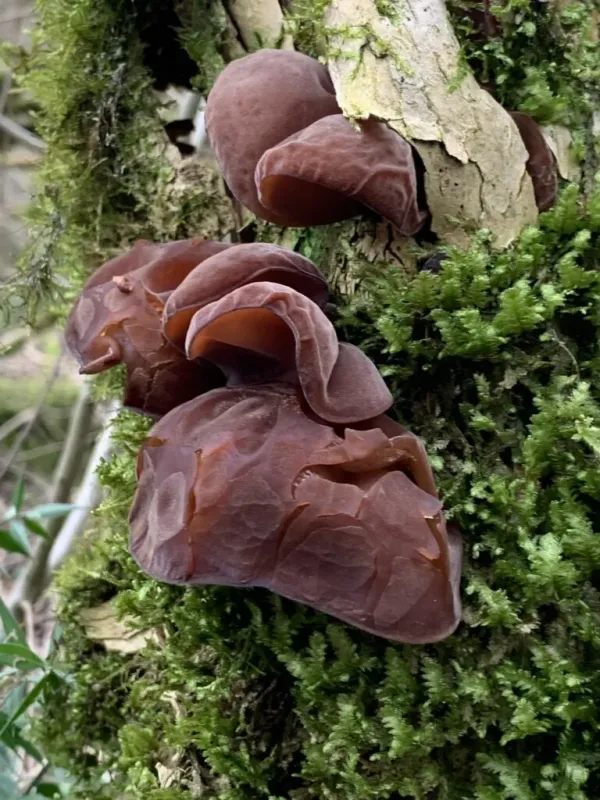
Description
Symptoms
The most visible sign of infection is the emergence of fruiting bodies on the bark. These are typically jelly-like, ear-shaped, or shelf-like structures that become prominent during moist weather.
Internally, the wood loses its density and structural integrity, often becoming fibrous, discolored, or brittle. In advanced stages, internal decay can lead to hollow trunks.
External symptoms in the canopy may include yellowing leaves, premature defoliation, and a noticeable decline in annual twig growth compared to healthy trees.
Cracks, fissures, or exudation of sap on the trunk near the site of infection are common indicators that the tree's internal vascular health has been compromised.
Branch dieback is a frequent observation, as the decay fungi disrupt the transport of water and nutrients from the roots to the upper portions of the tree.
Pathogen
The order Auriculariales includes a variety of basidiomycete fungi. While primarily saprotrophic, many species can become opportunistic pathogens when they colonize living trees that are weakened, stressed, or have open wounds.
These fungi act as decomposers, targeting lignin and cellulose within the wood structure. When they invade a living tree, they initiate wood decay, leading to white rot or similar degradation of the xylem tissues.
The pathogen spreads through basidiospores that are released from jelly-like or ear-shaped fruiting bodies. These spores are dispersed by wind and rain, seeking fresh entry points such as pruning cuts or bark damage.
Once established, the mycelium penetrates deep into the heartwood, slowly breaking down the structural components that provide strength to the trunk and branches.
While many Auriculariales species serve a critical ecological role in recycling dead wood, their presence on living crops is considered a serious phytosanitary issue.
Conditions for development
High humidity and moisture are the primary drivers of Auriculariales development. Prolonged periods of rain or fog allow the spores to germinate and the mycelium to thrive within the wood.
Mechanical injury to the bark serves as the main gateway for fungal entry. Improper pruning techniques, such as leaving large stubs, are major risk factors in orchard environments.
Poor ventilation in dense or unmanaged plantings creates a stable microclimate with trapped moisture, which significantly accelerates fungal growth.
Trees suffering from abiotic stress, such as drought, nutrient deficiency, or soil compaction, have compromised defense mechanisms, making them highly susceptible to infection.
Warm and temperate conditions, specifically within the range of 15°C to 25°C, promote the metabolic activity of the fungus and rapid expansion of the infection within the host.
Why it matters
The most significant danger posed by these fungi is the loss of wood strength, which increases the risk of structural failure and branch breakage, especially under wind loads.
Gradual impairment of the xylem prevents the efficient transport of water and nutrients, resulting in the steady decline and eventual death of the affected tree.
Fruit yield is significantly negatively impacted as the host plant redirects its resources to cope with the fungal colonization instead of fruit production.
Infected trees act as reservoirs for fungal spores, facilitating the spread of the pathogen to neighboring healthy plants and potentially causing an outbreak.
The long-term economic impact includes the costs associated with disease management, lost crop production, and the eventual need for tree removal if the damage is irreversible.
Protection
Effective management relies on proactive sanitation, including the regular removal and destruction of dead branches or heavily infected tree parts.
Proper pruning techniques are essential; cuts should be made cleanly and treated promptly with protective sealants or wound paints to prevent fungal colonization.
Sterilizing pruning tools between different trees is a critical practice to prevent the cross-contamination of fungal spores within the orchard.
Maintaining tree vigor through balanced fertilization, appropriate irrigation, and pest management helps to reinforce the tree's natural defense barriers.
Preventative applications of broad-spectrum copper-based fungicides can help protect bark tissues from spore germination during vulnerable periods of the growing season.
Discussion
No discussions yet — be the first.