
Athelia epiphylla
Athelia epiphylla
Description
Symptoms
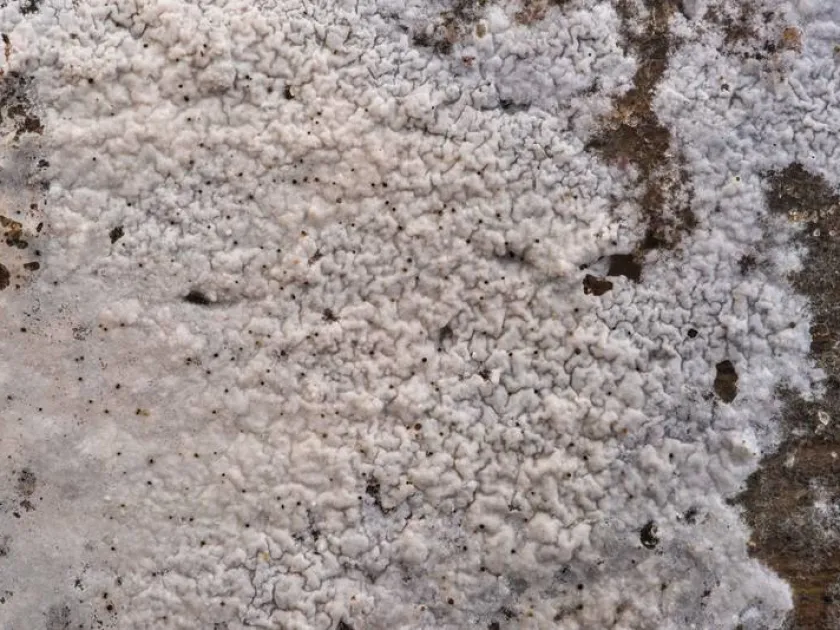
The visual signs of this condition include the formation of thin, crust-like or film-like fungal growth on the surface of the bark.
The mycelium color ranges from whitish or creamy to grayish-yellow, depending on the developmental stage and exposure to light.
Infected areas are predominantly found on the undersides of branches or shaded parts of the trunk, where moisture persists longer.
Over time, the fungus may penetrate slightly into the outer periderm, causing subtle changes in the texture and appearance of the bark.
Unlike more aggressive pathogens, Athelia epiphylla does not typically cause deep necrosis, yet it significantly alters the tree's appearance.
Pathogen
The pathogen is the fungus Athelia epiphylla, a basidiomycete classified within the order Atheliales.
It is primarily a wood-decay fungus that adopts an epiphytic lifestyle, colonizing the exterior surfaces of various tree species.
The fungus is biologically associated with the breakdown of organic matter but can occasionally colonize living or weakened plant tissues.
It forms a thin, often barely perceptible hymenophore film that spreads slowly across the bark surface.
Propagation is achieved via spores dispersed by air currents and water droplets, which settle on damp bark surfaces to germinate.
Conditions for development
Development is heavily influenced by humidity, with the most active spreading occurring during rainy or overcast weather conditions.
The fungus thrives in shaded environments, commonly occurring in dense plantings where airflow is restricted and bark surfaces remain damp.
Moderate temperatures, typical of spring and autumn, provide optimal conditions for the active growth of the fungal mycelium.
Micro-fissures in the bark or existing damage from insect pests provide easy entry points for spore establishment and colonization.
Poor orchard maintenance, lack of pruning, and weakened tree vigor significantly increase the susceptibility to colonization.
Why it matters
The direct damage caused by Athelia epiphylla is generally considered moderate, as it rarely leads to the immediate death of the host tree.
The primary risk involves the creation of a micro-environment that favors secondary infections by more aggressive pathogens or pests.
Dense fungal coverage can impede the gas exchange processes of the tree bark, negatively impacting the tree's overall physiology.
Widespread occurrence reduces the aesthetic value of ornamental trees and makes orchards more vulnerable to abiotic stressors.
Prolonged presence may eventually contribute to the premature dieback of individual branches, particularly in the lower, shaded canopy.
Protection
The foundation of effective control is regular sanitary pruning to improve canopy ventilation and reduce humidity levels.
Timely removal of loose or dead bark helps eliminate the substrate that the fungus requires for accumulation and growth.
In high-humidity areas, whitewashing tree trunks with lime solutions containing fungicides can create a hostile environment for spore germination.
If significant infection is detected, applying copper-based fungicides during the tree's dormant period can help reduce fungal load.
Ensuring proper planting density and sufficient light exposure is the most effective long-term preventative measure against this disease.
Discussion
No discussions yet — be the first.