
Astraeus hygrometricus
Astraeus hygrometricus
Description
Pathogen
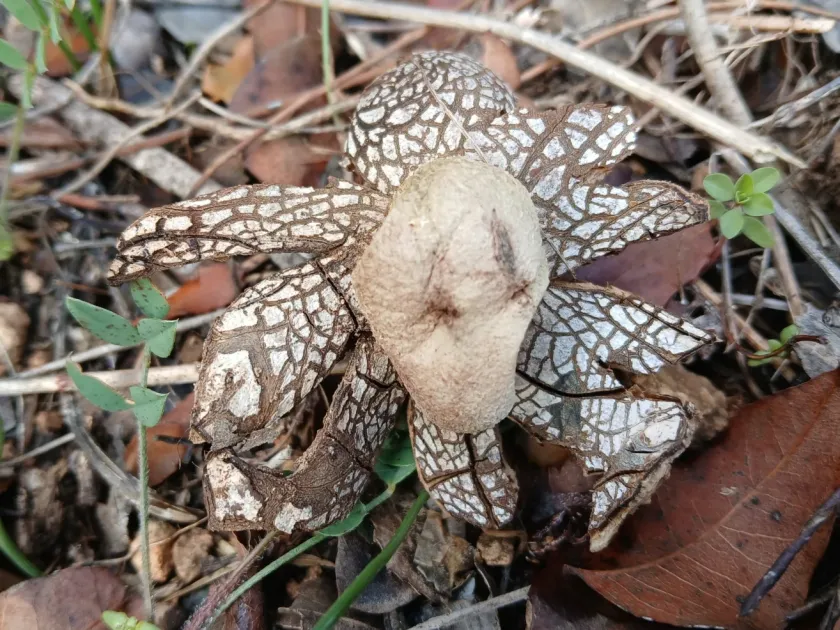
Astraeus hygrometricus, commonly known as the hygroscopic earthstar, is a species of fungus in the Diplocystaceae family. It is strictly a saprotroph and is not a plant pathogen.
This fungus survives by decomposing organic matter, such as dead wood, leaves, and other plant debris found in the soil, playing an important role in nutrient recycling.
It does not possess the biological mechanisms to invade living plant tissues or cause plant diseases, meaning it does not pose a threat to agricultural crops.
The fungus is often found in woodlands or garden areas where there is a thick layer of organic mulch, which is its primary food source.
Despite being a fascinating biological specimen, it is essentially harmless to the health and vitality of crops, vegetables, and ornamental plants.
Conditions for development
The growth of Astraeus hygrometricus is heavily dependent on moisture. Its common name, "hygroscopic," refers to its unique ability to respond to changes in humidity.
When the environment is wet, the star-shaped rays of the fungus spread open, allowing its spores to be released by raindrops hitting the central spore sac.
During dry conditions, the rays curl up tightly around the spore sac to protect it, allowing the fungus to survive periods of drought in the soil.
The fungus thrives in well-drained, sandy soils and is frequently spotted on forest edges or in areas with accumulated organic material under tree canopies.
Warm temperatures combined with periodic rainfall create the perfect microclimate for the development of the fungal fruiting bodies throughout the year.
Why it matters
Astraeus hygrometricus causes no economic or physical harm to farm produce. It is not associated with any wilting, rotting, or developmental issues in plants.
There is no evidence that this species interferes with the growth of roots or the uptake of nutrients, as it exists in a separate ecological niche from agricultural pests.
While the presence of large clusters might look untidy in a professional landscape or garden, it has no negative impact on the productive capacity of the soil.
For agronomists, identifying this fungus is a matter of botanical interest rather than disease control or crop management.
It does not secrete any phytotoxic substances and does not compete with plants for resources, making it a harmless inhabitant of garden ecosystems.
Protection
As this species is not a plant disease, there is absolutely no need for fungicide application or other chemical control measures.
Good agricultural practices, such as clearing away excessive leaf litter or decaying wood, naturally discourage the fungus from establishing itself in large numbers.
Maintaining proper soil aeration through regular hoeing can disrupt the growth of the underlying mycelium, preventing the formation of new fruiting bodies.
If you prefer to remove them for aesthetic reasons, simple mechanical collection and disposal of the fruiting bodies before they release spores are sufficient.
Promoting a balanced and healthy soil environment is the best approach to managing the presence of any saprotrophic fungi in your agricultural landscape.
Discussion
No discussions yet — be the first.