
Aspergillus terreus
Aspergillus terreus
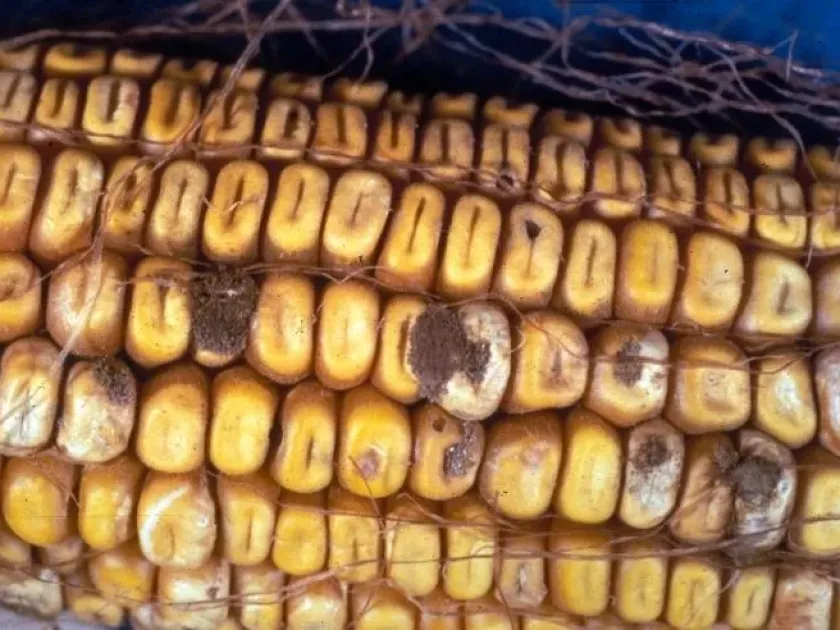
Description
Pathogen
Aspergillus terreus is a saprophytic fungus and a well-known pathogen capable of causing infection in a wide range of agricultural crops. It thrives by breaking down organic matter and is notoriously difficult to eradicate once established in the environment.
The pathogen reproduces via asexual conidia that are easily dispersed through the air, water, and contaminated tools. This high rate of reproduction allows the fungus to colonize new plant tissues very efficiently.
It produces specialized secondary metabolites known as mycotoxins. These compounds are harmful to plant health and pose significant safety concerns if the infected produce enters the food or feed supply chain.
The mycelium of this fungus is robust and can remain dormant in the soil or in plant debris for several growing seasons. This persistence makes it a recurring problem in fields with poor crop rotation practices.
Genetic analysis shows that Aspergillus terreus possesses significant metabolic diversity, which contributes to its ability to adapt to different environmental stresses and potentially resist certain chemical treatments.
Conditions for development
Humidity is the most critical factor for the growth of Aspergillus terreus. It flourishes in environments with relative humidity above 70%, making high-moisture storage conditions a major risk factor for grain spoilage.
The fungus is thermotolerant, preferring temperatures between 25°C and 35°C. This makes it particularly problematic in hot and humid climates or in poorly ventilated greenhouse environments during the summer months.
Mechanical injuries to plant tissues, such as those caused by insects or harvesting equipment, provide easy entry points for the fungus. Plants that have been weakened by environmental stress are also more susceptible to infection.
Inadequate sanitation in greenhouse facilities and storage barns allows the fungus to build up over time. If residues from previous harvests are left in the storage area, they serve as a primary inoculum source.
Low soil nutrient levels can weaken a plant’s immune response, making it easier for the pathogen to establish a successful infection. Properly balanced nutrition is therefore essential for robust crop health.
Why it matters
The primary economic impact involves the loss of seed viability. Seeds infected with Aspergillus terreus often fail to germinate, resulting in uneven field emergence and poor final crop density.
The production of mycotoxins can render harvested grain unfit for human or animal consumption. This leads to substantial financial losses, as contaminated batches must be discarded or subjected to expensive decontamination.
In greenhouse settings, the pathogen causes severe root rot in seedlings, leading to high mortality rates and the loss of young plants. This can disrupt production schedules and reduce overall farm efficiency.
Infected crops typically show symptoms of stunting and chlorosis, as the pathogen interferes with the plant’s ability to take up nutrients and water. This directly impacts yield quality and quantity.
Beyond crop loss, the cost of managing Aspergillus terreus includes the necessity of disinfecting equipment and warehouses, which increases the total cost of agricultural production significantly.
Protection
The most effective strategy for grain protection is to maintain moisture levels below the threshold where fungal spores can germinate. Regular aeration of grain stores is crucial for preventing mold growth.
Seed treatment with authorized systemic fungicides before planting helps to protect young seedlings from early-stage infections. This preventative measure is vital for establishing a healthy crop from the start.
Good agricultural practices, such as proper crop rotation and the thorough removal or plowing under of crop residues, help to minimize the buildup of the fungus in the field soil.
Strict sanitation in greenhouses and warehouses is mandatory to prevent the spread of spores. Cleaning tools and equipment with appropriate disinfectants after every use can break the infection cycle.
- Regulating moisture in storage
- Seed dressing with fungicides
- Crop rotation management
- Proper disposal of crop residues
- Facility sanitation and ventilation
Discussion
No discussions yet — be the first.