
Aspergillosis
Aspergillus fumigatus
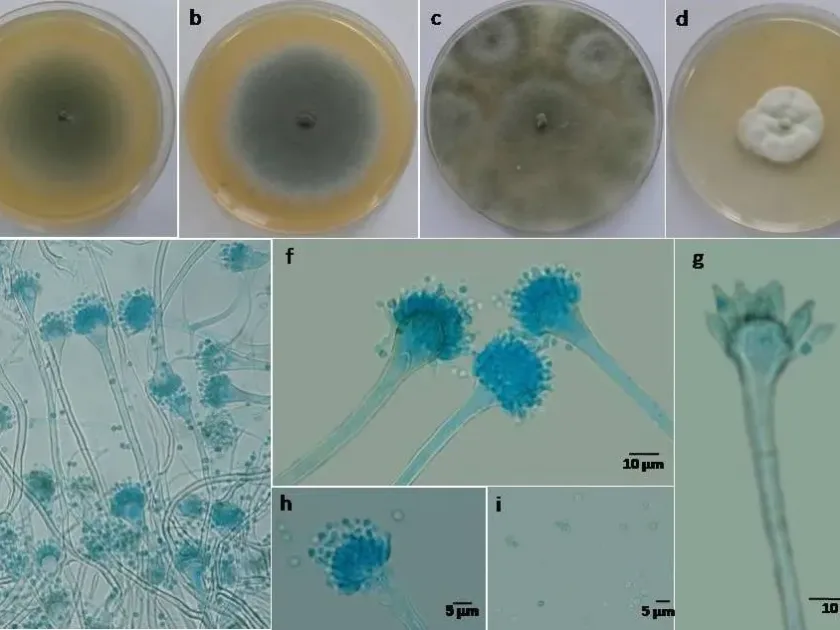
Description
Symptoms
The most visible sign is the development of a dusty, grey-green or olive-brown mycelial mat on the surface of seeds or plant tissues.
In stored grain, the infection manifests as caking or clumping, accompanied by a distinctive musty or mouldy odor.
Seedlings infected by the fungus often show signs of rot, necrosis, and stunted growth, frequently failing to emerge from the soil.
Under magnification, the characteristic brush-like conidiophores of the Aspergillus genus can be observed on the surface of the infected material.
Infected kernels often exhibit discoloration, becoming dull and soft as the fungus breaks down the endosperm and embryo.
Pathogen
The disease is caused by the filamentous fungus Aspergillus fumigatus, which is a widespread opportunistic pathogen.
This fungus is commonly found in soil, compost piles, and decaying plant material where it plays a role in decomposing organic matter.
As a pathogen, it primarily infects stored grain and seeds, though it can also cause damping-off in seedlings under certain environmental conditions.
The fungus produces millions of microscopic spores (conidia) that are easily dispersed through the air and soil, allowing for rapid colonization.
Its ability to tolerate high temperatures and survive in low-moisture environments makes it a particularly persistent and difficult pathogen to eradicate.
Conditions for development
Development is heavily favored by high moisture content in seeds, typically exceeding 15% during the storage period.
High ambient temperatures, specifically within the range of 25°C to 40°C, provide optimal conditions for the rapid growth of the mycelium.
Inadequate aeration in silos or grain storage facilities leads to the accumulation of heat and humidity, fueling the growth of the mold.
Mechanical injuries to the grain coat during harvesting or threshing processes create entry points for the fungal spores.
Poor hygiene in storage facilities, including the presence of dust and debris, provides a food source that supports initial fungal establishment.
Why it matters
The primary impact of aspergillosis is the significant loss of seed viability, leading to poor germination rates and patchy crop stands.
Aspergillus fumigatus is known to produce mycotoxins that can contaminate crops, making them hazardous for human consumption or animal feed.
Severe infestations lead to grain spoilage, causing heating and mass decomposition, which results in substantial financial losses for producers.
The disease reduces the overall quality of agricultural products, affecting their commercial grade and market value significantly.
Economic damage is further compounded by the costs associated with grain decontamination, disposal of spoiled lots, and loss of stored inventory.
Protection
The most effective strategy is to ensure grain is dried to safe moisture levels immediately after harvesting before long-term storage.
Implementing consistent temperature and moisture monitoring systems within storage facilities allows for early detection of potential outbreaks.
Maintaining high standards of warehouse hygiene, including regular cleaning and disinfection of equipment, is essential to minimize inoculum levels.
Seed treatment with approved fungicides prior to planting can help provide a protective barrier against soil-borne infections.
Using proper crop rotation and managing crop residues effectively helps reduce the amount of Aspergillus inoculum present in the field environment.
Discussion
No discussions yet — be the first.