
Ascochyta leaf spot of honeysuckle
Ascochyta tenerrima
Description
Symptoms
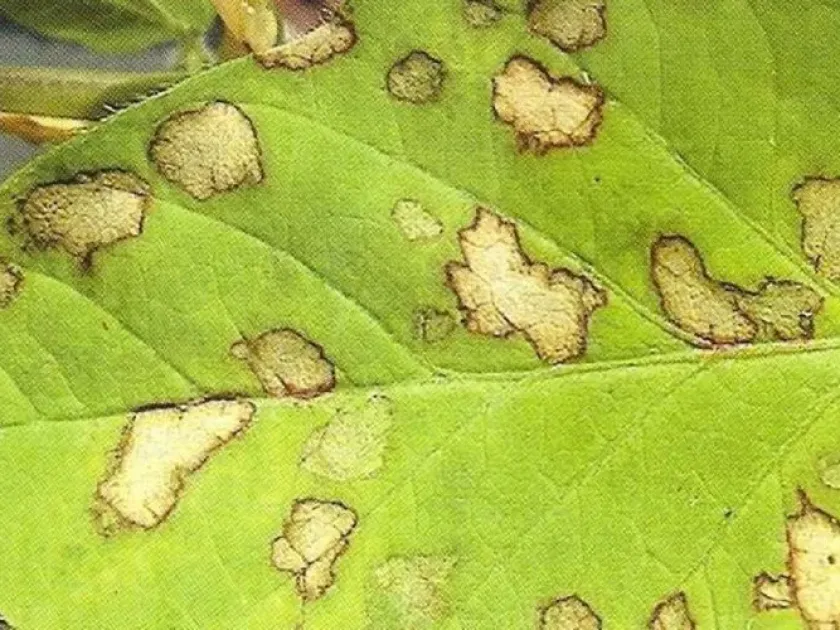
The most prominent symptom is the appearance of small, distinct spots on the leaves. These spots are typically circular or irregular and range from light yellow to brown in color.
A dark, distinct border usually develops around the necrotic lesions. This halo effect is a common diagnostic feature that helps differentiate Ascochyta from other types of leaf spots.
Black, pinhead-sized structures known as pycnidia appear scattered across the lesions. These are the reproductive organs of the fungus and are clearly visible with a hand lens or under close inspection.
As the infection progresses, multiple spots may coalesce, covering a large area of the leaf. This damage results in chlorosis, drying, and eventual premature abscission of the leaves.
Young shoots can also be affected, showing discolored or sunken lesions. If the infection is severe, the stems may lose their structural integrity and die back, affecting the overall vigor of the plant.
Pathogen
The causative agent of this disease is the fungus Ascochyta tenerrima. It is classified as an anamorphic fungus that reproduces via pycnidia, small fruiting bodies containing numerous conidia.
This pathogen acts as a specialized parasite, primarily affecting the vegetative parts of the honeysuckle shrub. Its mycelium colonizes the leaf tissue, disrupting nutrient transport and causing localized necrosis.
Infection spreads primarily through conidia, which are dispersed by splashing water during rainfall, wind, or agricultural maintenance. These spores adhere to healthy leaf surfaces to initiate new infections.
The fungus has evolved to persist in plant debris. During the winter, it remains in a dormant stage within fallen leaves and affected stems, becoming active again when spring temperatures rise.
Biological studies show that the pathogen completes multiple life cycles within a single growing season. This rapid turnover of generations allows the disease to spread quickly throughout the entire plant canopy.
Conditions for development
Fungal development is highly dependent on environmental conditions, specifically high humidity and moderate temperatures. Prolonged rainy weather provides the ideal medium for spore germination.
Dense, unpruned honeysuckle bushes trap moisture and restrict airflow. This stagnant environment allows humidity to remain high near the leaf surface, promoting rapid fungal growth.
Overhead irrigation, especially during the late afternoon or evening, is a major risk factor. Water left on leaves overnight facilitates the penetration of the fungus into the plant tissue.
Plants under nutrient stress or those growing in waterlogged soil are significantly more susceptible to Ascochyta tenerrima. A healthy plant has better defenses against initial fungal colonization.
Temperature fluctuations, particularly the combination of warm days and cool, damp nights, create the optimal microclimate for the pathogen to thrive and disperse its spores effectively.
Why it matters
The primary damage caused by the disease is the loss of photosynthetic leaf area. This reduces the plant's ability to produce energy, which is crucial for overall health and winter hardiness.
Premature leaf drop weakens the shrub, leading to stunted growth. The plant may fail to set buds for the following year, which directly impacts the potential harvest of berries.
Ongoing infection cycles deplete the honeysuckle's carbohydrate reserves. Over time, this leads to a general decline in the plant's health, making it more vulnerable to other diseases and pests.
For ornamental or nursery honeysuckle, Ascochyta spot causes severe cosmetic damage. This reduces the commercial value of the stock, rendering it unsuitable for sale or propagation.
If left uncontrolled, the disease can lead to significant dieback of the branches. In severe cases, particularly with younger or more susceptible cultivars, it can lead to total plant death.
Protection
Sanitation is the cornerstone of management. Removing and burning all fallen leaves in autumn is essential to eliminate the primary inoculum sources for the following spring.
Regular pruning is necessary to maintain an open canopy. Good airflow allows the foliage to dry quickly after rain or dew, significantly reducing the chances of successful fungal infection.
Chemical control involving copper-based fungicides or appropriate systemic treatments should be applied during the early season or immediately after flowering to prevent widespread outbreaks.
Maintaining plant health through balanced fertilization and proper watering techniques strengthens the plant's cuticle and immune response, providing a buffer against pathogen entry.
Early monitoring of the shrubs is vital. By identifying and removing the first few infected leaves, a gardener can often interrupt the disease cycle before it requires more drastic intervention.
Discussion
No discussions yet — be the first.