
Ascochyta leaf spot
Ascochyta herbicola
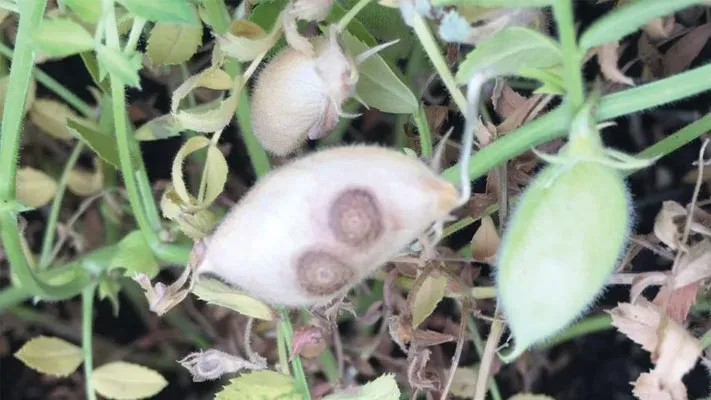
Description
Symptoms
Initial symptoms are characterized by small, pale or yellowish spots on leaf blades that gradually expand into larger lesions with a defined dark margin.
As the disease progresses, the lesions often coalesce, leading to significant chlorosis and eventual necrosis of the infected leaf tissue.
A distinctive feature of this infection is the presence of small, dark, pimple-like structures in the center of the spots, which are the pycnidia of the fungus.
Severe infestations result in the withering and premature death of leaves, giving the canopy a scorched, brown, and unhealthy appearance.
- Pale leaf spots with dark borders
- Black pycnidia visible in lesion centers
- Leaf chlorosis and tissue necrosis
- Premature drying of grass foliage
Pathogen
The disease is caused by the fungus Ascochyta herbicola, an opportunistic pathogen that specifically targets various grass species and cereal crops.
The pathogen completes its life cycle within the host tissues, producing characteristic fruiting bodies known as pycnidia that serve as the primary source of inoculum.
The fungus overwinters as mycelium and pycnidia on crop residues, infected seeds, or within the soil, remaining viable until the next growing season.
Conidia (spores) are dispersed primarily by water splashes during rain events or overhead irrigation, as well as by wind gusts that move spores between healthy plants.
Once settled on a susceptible leaf, the spores germinate and penetrate the tissue, eventually establishing a network of mycelium that drains nutrients from the host plant.
Conditions for development
High humidity is the most critical environmental factor for the development of Ascochyta leaf spot, as it facilitates spore germination and infection.
The fungus thrives in moderate temperature ranges, typically between 18 and 25 degrees Celsius, which are common during spring and autumn months.
Poor air circulation, often caused by dense planting or high stand density, keeps the leaf surface moist for extended periods, creating an ideal microclimate for the pathogen.
Frequent rainfall or persistent heavy dew contributes to the rapid dissemination of spores across the field, leading to secondary infection cycles.
Plants that are physiologically stressed due to nutrient deficiency or drought may show increased susceptibility to initial fungal colonization.
Why it matters
Ascochyta leaf spot reduces the overall photosynthetic capacity of the grass, leading to stunted growth and reduced biomass production.
The disease significantly lowers the forage quality of pasture grasses, as the infected tissue loses nutritional value and essential proteins.
In seed production fields, the infection can cause shriveled seeds with poor germination rates and carry pathogens to new growing seasons.
If left uncontrolled, the disease can cause significant economic losses by reducing the yield of grass harvests and requiring additional expenditure on fungicides.
The accumulation of inoculum in the soil and residues poses a persistent threat to susceptible crops planted in subsequent years without proper rotation.
Protection
The most effective strategy is the use of resistant or tolerant cultivars that can naturally suppress fungal development and prevent severe outbreaks.
Good agricultural practices such as crop rotation and the deep plowing of infected stubble are essential to reduce the primary inoculum load in the field.
Maintaining proper plant density ensures adequate air circulation, which prevents the prolonged leaf wetness required for the fungus to establish itself.
Seed treatments with systemic fungicides are recommended to prevent early-stage infections and ensure a healthy stand establishment.
In cases of high disease pressure, targeted application of broad-spectrum fungicides can help control the spread of Ascochyta leaf spot during peak infection periods.
Discussion
No discussions yet — be the first.