
Cherry bark fungus
Arthopyrenia cerasi
Description
Symptoms
The most visible symptoms include a rough or discolored appearance of the bark. Affected areas often develop a dark, sometimes charcoal-colored texture that differs from the healthy, smooth bark of young cherry trees.
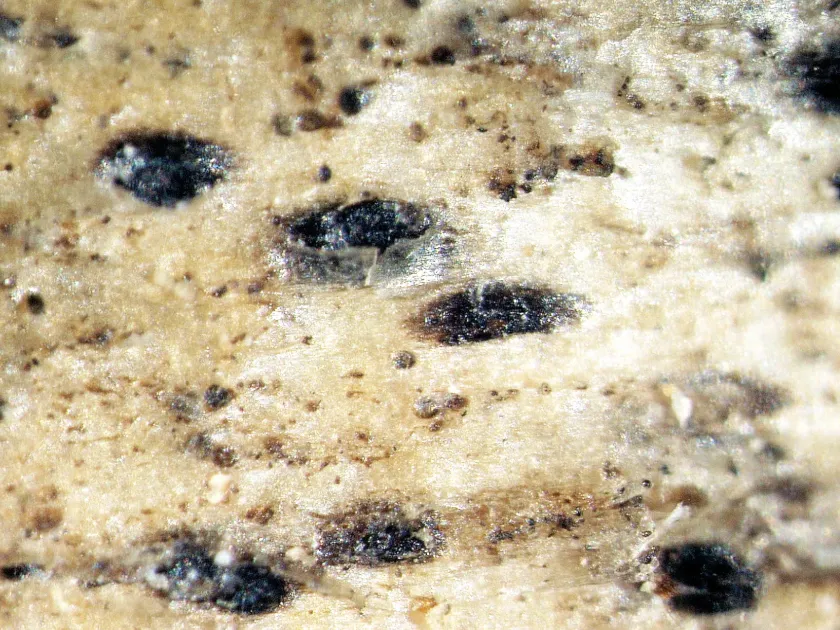
Small, black, dot-like perithecia are the definitive sign of Arthopyrenia cerasi. These dots are usually found in clusters and may become more prominent and darker during wet weather conditions.
In cases of significant colonization, the bark may show signs of micro-cracking. These cracks are often caused by the degradation of the outer bark cells and can expose the tree to further environmental stress.
Affected trees may show signs of general decline, including reduced shoot growth and sparse foliage. These symptoms are not unique to this fungus but serve as an indicator that the tree is experiencing biotic pressure.
The fungus can be particularly noticeable on older trees with thicker, more weathered bark, where the small fruiting bodies blend in with the natural crevices of the wood.
Pathogen
The causal agent is the fungus Arthopyrenia cerasi, which belongs to the group of lichenized or epiphytic ascomycete fungi. It primarily colonizes the bark of stone fruit trees, using the outer layer of the periderm as a habitat.
The fungus produces small, dot-like fruiting bodies called perithecia, which are embedded within the bark surface. These structures allow the fungus to remain attached to the host while spreading its spores through the environment.
The biological lifecycle of this organism is closely tied to the moisture content of the tree bark. It survives periods of adversity by remaining dormant within the outer tissue layers until conditions become favorable again.
Unlike aggressive parasites that penetrate the cambium, this fungus is often considered an epiphyte that can cause local damage under conditions of host stress. Its spread is primarily driven by spore dispersal via rain splashes and wind.
Identification of the pathogen usually requires careful observation of the bark surface, where the presence of numerous small black dots signifies active colonization of the bark tissue.
Conditions for development
High humidity and consistent rainfall are the primary drivers for the development of Arthopyrenia cerasi. Areas with prolonged morning dew or stagnant air are particularly susceptible to fungal establishment.
Poorly managed orchards with overgrown canopies limit sunlight penetration and airflow. This keeps the bark damp for longer periods, providing an ideal microenvironment for fungal growth.
Trees that are neglected or in a state of physiological stress due to poor nutrition or drought are more vulnerable to colonization. The health of the bark surface is crucial in preventing the initial settlement of spores.
Temperature plays a secondary role, with moderate temperatures (15–22 degrees Celsius) promoting faster mycelial expansion. However, the fungus is robust and can tolerate a wide range of climatic variations.
Orchards located in low-lying areas or near water bodies often experience higher fungal pressure due to the naturally humid environment and reduced air circulation.
Why it matters
The primary concern is the physical interference with the bark's physiological functions, specifically gas exchange. Although it does not kill the tree directly, it contributes to the deterioration of the outer bark layers.
The damage caused by the fungus creates entry points for secondary, more aggressive pathogens like Cytospora. This interaction can lead to severe dieback of branches and, in extreme cases, the death of the tree.
Overall vitality of the tree is reduced due to the constant stress of carrying an epiphytic load. This results in reduced fruit quality and lower yields, impacting the economic output of the orchard.
Continued presence of the fungus over several seasons accelerates the aging of the bark, making it brittle and prone to structural failure during severe weather.
The economic impact involves both direct production losses and the cost of implementing sanitation protocols to prevent the spread of the fungus throughout the orchard block.
Protection
Effective management begins with good orchard hygiene, specifically regular pruning to keep the canopy open and dry. This reduces the humidity levels directly surrounding the bark.
Scrubbing the bark to remove dead layers and moss can physically reduce the fungal population. Applying lime-based paints or orchard washes helps create an alkaline surface that inhibits fungal spore germination.
- Regular sanitary pruning to remove dead and heavily colonized wood.
- Application of copper-based fungicides during the dormant season (early spring).
- Maintaining optimal tree health through balanced fertilization and hydration.
- Sanitizing pruning tools between trees to prevent the spread of spores.
- Monitoring the bark surface regularly for early signs of fungal infection.
Copper sprays applied before the buds swell are highly effective in reducing the initial spore load. This preventive treatment is a standard practice in professional stone fruit cultivation.
Ensuring that trees are well-fed and protected from mechanical damage is essential for long-term bark health. A healthy tree can better defend its surface against epiphytic pathogens.
Discussion
No discussions yet — be the first.