
Anthracophyllum melanophyllum
Anthracophyllum melanophyllum
Description
Symptoms
The primary visual sign of infestation is the emergence of visible, dark-gilled fruiting bodies protruding from tree trunks or limbs.
The presence of these mushrooms is often accompanied by localized decay where the wood becomes brittle and structurally compromised.
Affected trees may show signs of canopy thinning, chlorosis, or premature leaf drop as the fungus interrupts the transport of water and nutrients.
In advanced stages, cracks or deep fissures can appear in the bark, often weeping sap or showing signs of internal rot.
Structural stability of the tree is significantly reduced, often leading to sudden failure of branches or the main trunk under stress.
Pathogen
Anthracophyllum melanophyllum is a basidiomycete fungus known for its role as a wood-decay agent that colonizes various tree species.
It typically acts as a saprotroph, though it can opportunistically invade weakened living trees, breaking down structural components like lignin and cellulose.
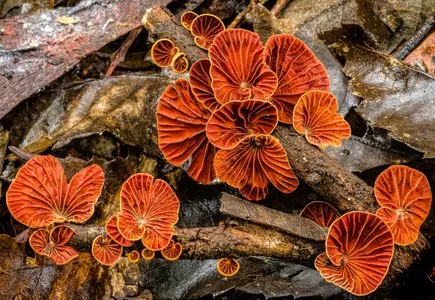
The fungus is identifiable by its distinctive fan-shaped fruiting bodies, which feature dark, nearly black lamellae (gills) on the underside of the caps.
The lifecycle relies on the production of basidiospores, which are released into the environment and carried by wind currents to colonize new host trees.
Once established, the mycelium network grows through the vascular and structural tissues of the wood, absorbing nutrients and causing internal decay.
Conditions for development
High humidity and consistent rainfall create the ideal environment for the spores of this fungus to germinate and proliferate successfully.
Physical wounds on the bark, whether caused by severe weather, improper pruning, or herbivorous insects, serve as primary entry points for infection.
Poorly ventilated forest stands with dense vegetation often trap moisture, providing the perfect microclimate for the spread of this pathogen.
Trees suffering from existing environmental stress, drought, or nutrient deficiencies are more susceptible to the initial establishment of the mycelium.
Extended periods of moderate temperatures allow the fungus to remain active throughout the growing season, increasing the risk of structural damage.
Why it matters
The fungus is dangerous because it silently destroys the internal integrity of trees, leading to high risks of tree failure and public safety hazards.
It poses a significant economic threat to timber production, as decay renders the wood structurally unsound and unfit for processing or construction.
Chronic infestation weakens the host plant, leaving it vulnerable to secondary infections from other pathogens and pests that capitalize on the tree's poor health.
In landscaping and urban forestry, the loss of mature trees results in significant aesthetic and ecological value decline within local ecosystems.
The accumulation of spores within a stand ensures a perpetual infection cycle, making the mitigation of the disease difficult without drastic control measures.
Protection
The most effective management approach is the sanitary removal of infected trees to eliminate the source of spores from the immediate area.
Proper wound care is essential; all pruning cuts should be sealed with protective fungicides or wound dressings to prevent pathogen entry.
Routine inspections are critical for identifying early signs of fungal colonization before it spreads to neighboring healthy trees.
Promoting tree health through appropriate fertilization and water management helps boost the host's natural defenses against potential fungal invaders.
- Regular removal of decaying wood and forest debris.
- Disinfecting pruning tools between trees.
- Strategic thinning to improve air circulation.
Discussion
No discussions yet — be the first.