
Anthracophyllum
Anthracophyllum
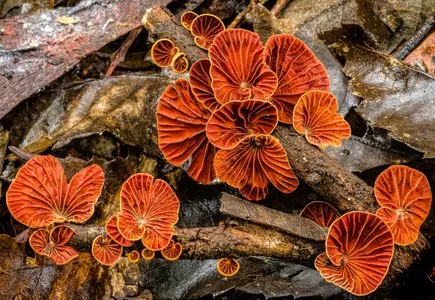
Description
Symptoms
The most reliable sign of infection is the appearance of distinct, leather-like fruiting bodies (mushrooms) protruding from the tree's bark or dead wood.
These fruiting bodies often display a dark, brownish-to-black coloration on the gills and pileus, providing a clear visual marker for identification.
Affected bark may show symptoms of longitudinal cracking, discoloration, or localized decay around the points of fungal penetration.
The tree may exhibit general signs of decline, such as canopy thinning, premature yellowing of leaves, or reduced annual growth increment.
When the internal tissue is examined, it often reveals a texture that is spongier or significantly softer than healthy wood, indicating advanced decay.
Pathogen
Anthracophyllum is a genus of saprotrophic fungi within the order Agaricales, commonly associated with the decomposition of woody substrates in nature.
These fungi possess enzymatic capabilities to break down complex lignin and cellulose structures, effectively softening and degrading the internal timber of trees.
In managed landscapes, they can act as opportunistic parasites, colonizing trees that have been compromised by environmental stress or physical injuries.
Propagation is primarily achieved via airborne spores, which germinate upon contact with exposed wood surfaces during periods of high humidity and rainfall.
The mycelium develops inside the woody tissue, slowly consuming the internal structure, which often remains hidden until the fungus produces visible fruiting bodies.
Conditions for development
High moisture levels are the most critical factor for the colonization of Anthracophyllum species, as they require damp environments for spore germination.
Physical wounds caused by storms, insect damage, or improper pruning serve as primary entry points for the fungal mycelium to penetrate the xylem.
Stagnant air and lack of proper sunlight in densely planted orchards or forest margins contribute significantly to the favorable conditions for fungal growth.
Weakened trees, suffering from nutrient deficiencies or competition for light, are more susceptible to becoming hosts for wood-decay organisms.
Optimal development usually occurs in temperate climates during warm and wet months, allowing the fungus to expand its mycelial network rapidly.
Why it matters
The fungus causes structural degradation of the wood, which leads to a significant loss of stability and can result in the structural failure of the tree.
By disrupting the vascular transport system, the fungus severely impacts the tree's ability to move water and nutrients, leading to overall plant decline.
Persistent infestation often leads to the death of the host tree, creating hazardous conditions in areas with high pedestrian traffic or near valuable infrastructure.
The infection creates a permanent source of spores that can easily spread to surrounding trees, potentially causing an epidemic within a localized area.
Financial losses occur due to the potential need for expensive tree removal and the loss of aesthetic or economic value of the orchard or landscape.
Protection
Sanitation is the cornerstone of control: all dead or severely infested wood should be pruned and removed immediately from the area to reduce spore load.
Proper wound management, including the use of sealant pastes for large cuts, is essential to prevent the fungus from gaining a foothold in the wood.
Maintaining tree vigor through balanced fertilization and appropriate irrigation helps the tree develop its own natural defenses against fungal colonization.
Regular inspections, especially following severe weather events, allow for the early detection and management of localized infestations before they spread.
- Disinfecting pruning tools between trees to prevent cross-contamination.
- Removing and destroying infested tree debris via burning or deep burial.
- Encouraging airflow through proper thinning of the crown.
Discussion
No discussions yet — be the first.