
Anthracobia melaloma
Anthracobia melaloma
Description
Pathogen
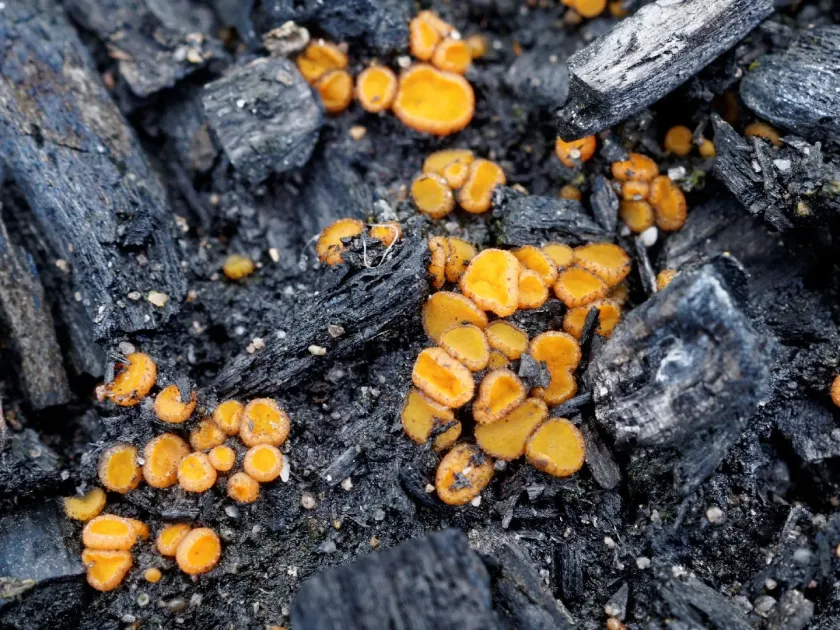
Anthracobia melaloma is an ascomycete fungus belonging to the order Pezizales. It is not a plant disease in the traditional sense, but a carbophilous fungus, meaning it thrives specifically on substrates that have been subjected to fire.
This organism operates as a saprotroph, feeding on dead and partially charred organic material. Because it lacks phytopathogenic properties, it poses no threat to the tissues of agricultural crops or garden plants.
The mycelium colonizes the top layers of soil enriched with wood ash. It plays a role in the natural decomposition of organic remains, helping to mineralize carbon compounds in the soil ecosystem.
The lifecycle involves the formation of small, often disk-shaped apothecia. These fruiting bodies release spores into the environment, allowing the fungus to propagate across suitable burned habitats.
In agronomic monitoring, the presence of Anthracobia melaloma serves as a biological indicator. It confirms that the area has recently undergone combustion, such as a bonfire site or localized burning of harvest residues.
Conditions for development
The growth of this fungus is strictly dependent on the presence of wood ash and charcoal. It requires the alkaline environment created by burning organic matter to establish its colony.
Optimal development occurs in environments with moderate temperatures and consistent moisture levels. The fruiting bodies are most commonly observed during the spring and autumn seasons.
Anthracobia melaloma is highly specialized and cannot compete with common soil microflora in standard garden soil. It is a pioneer species that disappears once the initial chemical conditions of the ash dissipate.
The fungus is sensitive to pH levels; as rainfall leaches the alkaline minerals from the ash and the soil acidity returns to a neutral state, the fungus naturally retreats.
Exposure to extreme drying or excessive sunlight can inhibit the formation of fruiting bodies, meaning the fungus usually stays within the microclimate provided by the surface layer of debris.
Why it matters
Anthracobia melaloma does not infect or damage plants. It is entirely harmless to agricultural and ornamental crops, as its biological role is limited to the decomposition of dead organic carbon.
The primary concern related to this fungus is the agronomic practice of burning residues on fields. Such practices degrade soil structure, destroy beneficial microbes, and lead to nutrient loss.
Crops planted in areas where this fungus is present might show signs of poor growth due to localized soil pH changes or the loss of soil organic matter caused by the fire itself.
The fungus acts as a marker for poor land management. Relying on fire rather than sustainable composting or incorporation of residues harms long-term soil fertility and biodiversity.
Agronomists recommend focusing on improving soil health through organic mulching or fertilization rather than burning. Preventing the conditions that support carbophilous fungi is the best way to maintain a productive soil structure.
Discussion
No discussions yet — be the first.