
Anthracobia
Anthracobia
Description
Symptoms
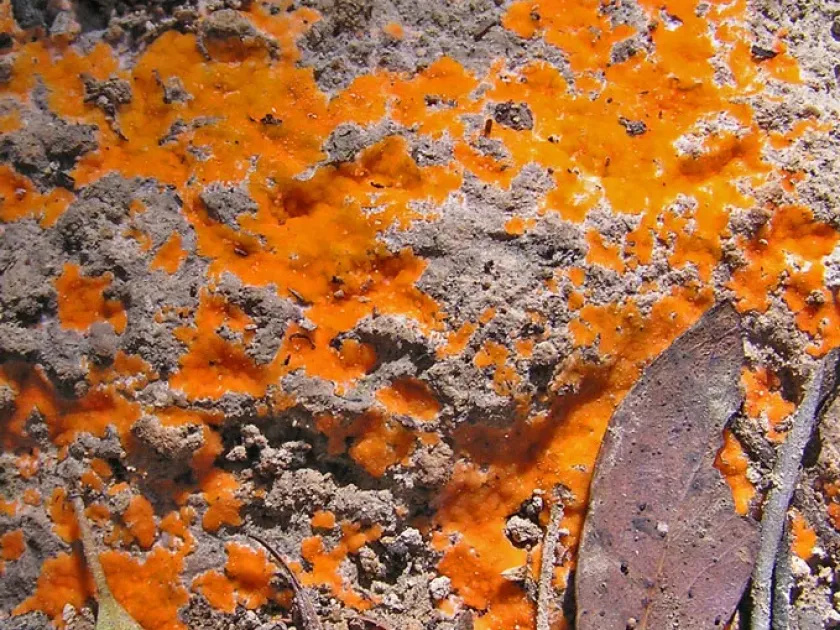
The most visible sign of Anthracobia is the presence of small, cup-shaped or disc-like apothecia (fruiting bodies) that are typically vibrant orange or reddish in color.
The size of these fruiting bodies is generally small, ranging from a few millimeters to about 1.5 centimeters in diameter, often standing out against the dark charred substrate.
Under magnification, the outer surface of the apothecia may reveal tiny hairs, which is a characteristic morphological feature used to identify the species within the genus.
They often appear in clusters or dense patches, sometimes covering a significant area of a former campfire site, turning the ground into a bright orange patch.
The intensity of the color can vary based on moisture availability; they appear brightest and most turgid during periods of high humidity or following rainfall.
Pathogen
Anthracobia is a genus of fungi belonging to the Pyronemataceae family. These fungi are categorized as carbonicolous, meaning they specialize in colonizing substrates that have been altered by fire.
Biologically, these organisms are saprotrophs rather than plant pathogens. They thrive in environments rich in charred wood and ash, recycling organic matter that has been thermally processed.
Anthracobia species do not invade living plant tissues. They do not possess the enzymatic pathways required to parasitize higher plants, making them safe for agricultural and horticultural crops.
The mycelium of these fungi is highly adapted to the high pH levels and specific mineral compositions found in ash-heavy soils, which usually inhibit many other common soil microbes.
By breaking down charred organic debris, these fungi contribute to the soil ecosystem, playing a vital role in nutrient cycling in disturbed forest or garden environments.
Conditions for development
Anthracobia requires a specific habitat, primarily soils or woody debris that have been subjected to high heat, such as fire pits or areas of past forest fires.
The alkaline chemical environment created by wood ash is a critical factor, as it provides a niche where these fungi face little competition from other soil microorganisms.
Favorable moisture conditions are essential for the development of fruiting bodies, leading to peaks in appearance during the spring and autumn seasons.
The species does not colonize standard garden soil or healthy agricultural land because it cannot compete with more common soil fungi in non-alkaline environments.
They are frequently found in open, sunlit areas where the destruction of surface vegetation has left the soil exposed and enriched with carbonaceous deposits.
Why it matters
Anthracobia causes no harm to agricultural plants, trees, or landscaping flowers. It is completely benign and lacks the capability to infect living plant tissue.
There is no evidence that these fungi produce toxins that could inhibit the growth of nearby vegetation, even when the mycelium is present in high concentrations.
Concerns about this fungus being a plant disease are unfounded; it is strictly a decomposer of dead, burnt organic material rather than a threat to live crops.
The presence of the fungus does not indicate poor soil health in a general sense; it simply indicates that the specific location has recently been impacted by fire.
Farmers and gardeners should not fear the spread of this fungus to healthy parts of the field, as it is strictly confined to the niche provided by the ash substrate.
Protection
No control measures are necessary for Anthracobia, as it is a harmless component of the soil microflora that does not impact crop productivity or plant health.
If the appearance of the fruiting bodies is considered unsightly, manual removal of the surface layer of the ash-rich soil will effectively eliminate the fungus.
Preventative measures include avoiding the creation of fire pits in growing areas or near the root zones of sensitive plants, which is good practice for soil health anyway.
Tilling the soil at the site of a former fire pit helps incorporate the ash and neutralize the pH, which naturally suppresses the development of the fungal mycelium.
The use of fungicides to manage Anthracobia is neither recommended nor beneficial, as it would only disrupt the beneficial soil life without solving any actual disease problem.
Discussion
No discussions yet — be the first.