
Amylostereum areolatum
Amylostereum areolatum
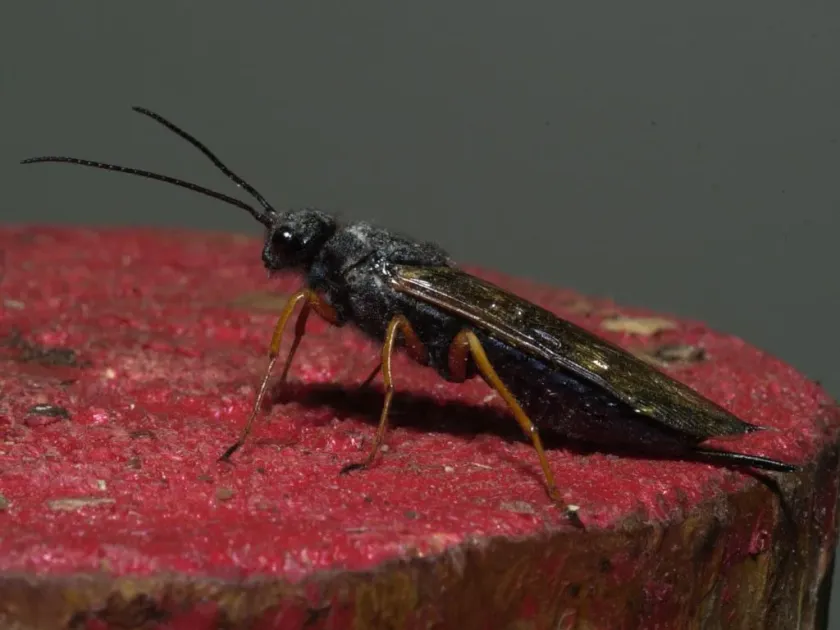
Description
Symptoms
The primary external sign of an Amylostereum areolatum infection is the presence of small, circular exit holes on the bark, created by emerging adult woodwasps.
Affected trees often show signs of resin beads or weeping from the bark at the points of attack, although this symptom may be less pronounced in heavily stressed trees that lack the energy to produce resin.
Foliage symptoms include yellowing followed by browning of the needles. This discoloration usually occurs as the vascular system becomes disrupted by the fungal growth, preventing the tree from transporting water.
When the wood is cut, characteristic staining is revealed. The affected areas of the wood often turn a light brown or cream color, with the fungus creating galleries or streaks throughout the heartwood.
In advanced stages, mycelial mats—white or light-colored fungal films—may be observed within the larval tunnels or in the cracks of the wood, representing the vegetative body of the fungus.
Pathogen
Amylostereum areolatum is a basidiomycete fungus belonging to the Stereaceae family, primarily known as a pathogen that causes white rot in coniferous wood. It has an obligate symbiotic relationship with the woodwasp Sirex noctilio.
The fungus is transmitted by the female woodwasp. During oviposition, the female injects both her eggs and the fungal spores into the sapwood of the host tree, using specialized organs called mycangia.
Once inside the tree, the fungus secretes enzymes that break down the cell walls, specifically lignin and cellulose. This process is essential for the tree to become a suitable substrate for the developing wasp larvae.
While Amylostereum areolatum is primarily a pathogen of weakened or stressed conifers, it can also infect healthy trees under high pest pressure, leading to significant physiological damage.
The fungus is found in various species of the Pinaceae family, including Pinus, Picea, and Abies. Its biological presence is crucial for the survival of the Sirex woodwasp population within timber.
Conditions for development
The development of the fungus is intrinsically linked to the population density of its vector, the Sirex noctilio woodwasp. High wasp activity inevitably leads to higher rates of fungal inoculation.
Drought stress is a major predisposing factor. When trees are subjected to water deficiency, their natural defenses, such as resin flow, are compromised, making them highly susceptible to infection.
Climate conditions play a secondary role. Moderate temperatures and sufficient moisture levels within the wood allow the fungal hyphae to colonize the tree's vascular system effectively and rapidly.
The long-distance spread of the pathogen is largely driven by human activity. The international trade of untreated timber containing infested wood provides an ideal vehicle for the fungus to jump across continents.
Monoculture plantations are at the greatest risk. The close proximity of similar host species allows the woodwasp to easily move between trees, creating a pathway for the fungus to devastate an entire forest stand.
Why it matters
The economic impact of Amylostereum areolatum is substantial, primarily due to the degradation of timber quality. The white rot significantly weakens the structural integrity of the wood, rendering it useless for construction.
The infection often leads to the death of the tree. In managed forests, this results in significant financial losses, as trees must be salvaged or destroyed before they can reach maturity.
Forest biodiversity is also threatened. The fungus can lead to the widespread collapse of conifer stands, facilitating the transition to less desirable forest species and disrupting local ecosystems.
Control measures, including monitoring programs and large-scale sanitation cuts, impose a heavy financial burden on the forestry sector and government agencies responsible for plant health.
The presence of the fungus and its vector can lead to trade restrictions, as countries implement strict phytosanitary regulations to prevent the entry of wood products from infested areas.
Protection
Strict phytosanitary control is the first line of defense. All timber exported from regions where the fungus is present must undergo rigorous heat treatment or fumigation to kill the wasp larvae.
Regular forest health monitoring using pheromone traps is essential. Early detection of the woodwasp allows managers to implement targeted interventions before the fungal infection becomes widespread.
Sanitation cutting is a vital practice. Removing and destroying infested or dead trees prevents the buildup of the woodwasp population and limits the spread of fungal spores to neighboring healthy trees.
Biological control methods have been implemented successfully, particularly the use of parasitic nematodes like Beddingia siricidicola, which sterilize the woodwasp and disrupt the transmission cycle.
Maintaining forest resilience through thinning and proper silviculture practices helps keep trees healthy, allowing them to better defend themselves against both the woodwasp and the associated fungus.
Discussion
No discussions yet — be the first.